
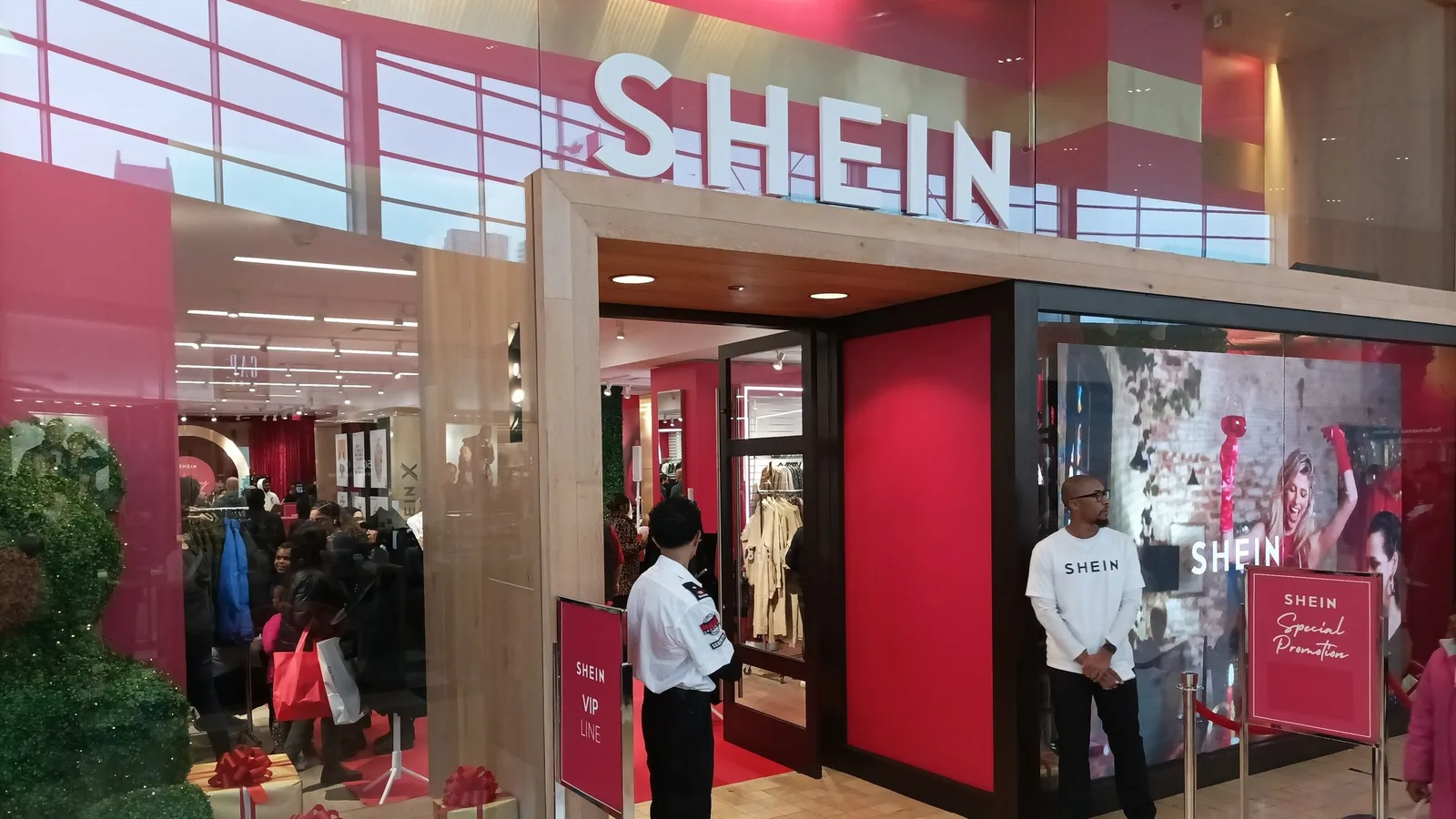
Shein has built one of the largest clothing businesses in the world on three promises: low prices, fast delivery and an endless scroll of styles rated by other shoppers. On 24 November, the US Federal Trade Commission said that, in important respects, the second and third promises were not what they seemed. The company will pay $100 million to settle the agency's allegations.
The FTC filed a complaint and a proposed stipulated order the same day in the US District Court for the Central District of California, against three US arms of the group: Shein Distribution Corporation, Shein US Services and Shein Technology. The commission voted 2-0 to bring the case. Under the order, Shein neither admits nor denies the allegations. A Shein spokesperson told CNBC that the company had not admitted liability, disagreed with some of the FTC's claims, and had agreed to continue strengthening its consumer practices and compliance efforts.
The key facts
- Who: Shein's US distribution, services and technology companies
- What: a $100 million payment to settle FTC allegations of deceptive and unfair practices, to be used for consumer redress
- When: complaint and proposed order filed on 24 November 2026; the order takes effect once the court enters it
- Alleged: late or missing orders without required notices or refunds, a review system that favoured positive reviews, minimal customer service, unsupported supplier-audit claims for the evoluSHEIN line, and inaccurate cotton-origin claims
- Shein's position: no admission of liability; it disagrees with some of the claims
What the FTC alleges
The complaint describes Shein as one of the world's largest fashion retailers, "bringing in billions of dollars in revenue annually", and says it accounts for nearly half of fast-fashion sales in the United States. It sets out four broad sets of allegations.
Shipping. Shein marketed fast and reliable delivery, but according to the complaint, orders arrived "days, weeks, and even months late", and some never arrived. The FTC says the company did not send the delay notices or make the prompt refunds required by its Mail, Internet, or Telephone Order Merchandise Rule.
Customer service. The complaint says Shein ships nearly one million packages into the US every day, yet for years offered no telephone customer service. In September 2025, a month in which it received more than 1.2 million customer-service inquiries from US customers, it added five human agents to handle phone calls from all American consumers, according to the FTC, and did not publish a phone number for them on its website.

Reviews. This is the most detailed part of the complaint. Shein's internal screening system, it says, kept lists of "helpful" words, such as "durable", "elegant", "fits well" and "must buy", and "unhelpful" ones, including "damaged", "bad quality", "too short" and "did not fit". Reviews with helpful words and four or five stars were approved directly. Reviews with the same words but one, two or three stars were sent for further automated and manual screening, "causing further delays in publishing, if they are published at all". The FTC also says reviews disappeared when an entire order was returned, so the customers most likely to be disappointed lost the ability to say so. One example of an "extremely bad comment" in Shein's internal guidance, the complaint says, was a review saying that jewellery would stain the skin.
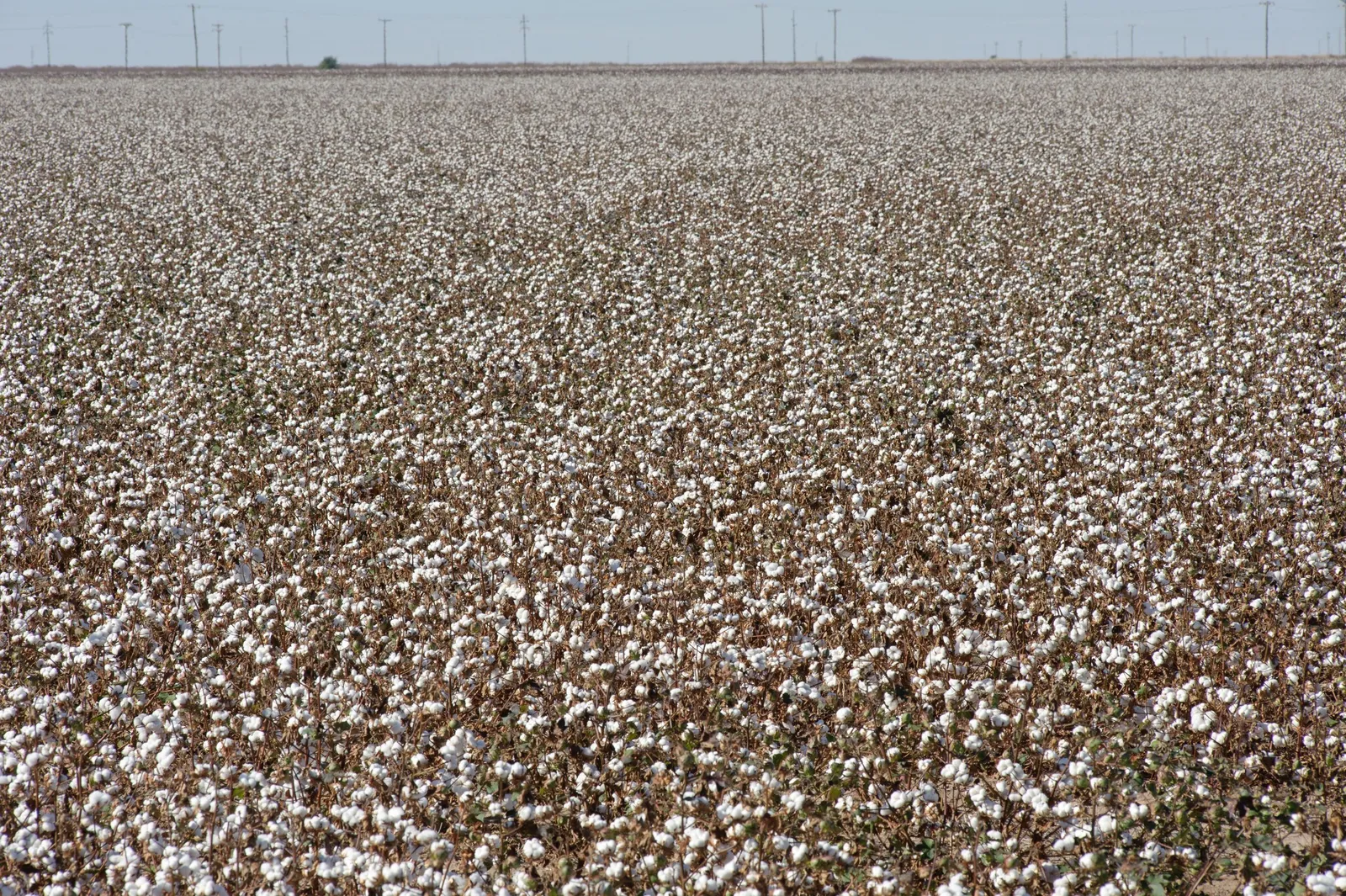
Supply-chain claims. Shein marketed evoluSHEIN, which the complaint says began with 150 products and has at times offered more than 15,000 a month, as a "purpose-driven collection" made by suppliers with "above average" ratings in social-compliance audits covering child labour, forced labour, wages and safety. The FTC says Shein "has not provided or made available to the FTC even one such audit" to substantiate those claims. It also says Shein's claims about verifying where its cotton comes from were deceptive: in numerous instances, third-party testers found that cotton Shein's suppliers said was grown in the United States was actually from China, and some cotton could not be traced to any country of origin at all.
"SHEIN attracted consumers with promises of affordable clothing, fast delivery and use of suppliers that earned above-average ratings on standards related to child and forced labor, among other representations," Christopher Mufarrige, director of the FTC's Bureau of Consumer Protection, said in the agency's announcement. "In reality, the company misled millions of consumers about its products, its suppliers and the authenticity of its customer reviews."


What the order requires
The proposed order goes further than the cheque. Shein must pay the $100 million, which its lawyers already hold in escrow, within 30 days of the court entering the order; the FTC says it will use the money for consumer redress. Beyond that, Shein is permanently barred from:
- misrepresenting shipping and delivery times, and failing to offer the delay options and refunds the mail-order rule requires
- failing to provide a simple way to reach customer service, in writing and by voice, with contact details posted clearly
- closing customer complaints without telling the customer and giving them a week to contest the outcome
- presenting its reviews as unedited or complete while withholding reviews because of their rating, negative sentiment or link to a returned product
- claiming supplier audits, or that it can trace cotton to a specific factory, country or region, unless it has a reasonable basis for the claim
The order also requires Shein to keep records of every review it removes, including when and how it was removed, and to submit compliance reports to the FTC for years after the order is entered.
The cotton question
Of the four allegations, the cotton claim carries the most weight beyond the United States. As CNBC notes, Shein has long faced questions over whether its clothes contain cotton from Xinjiang, where the US government and human rights groups say Uyghurs are subjected to forced labour, and from which the Uyghur Forced Labor Prevention Act bans imports. Shein has previously said it does not use Chinese cotton in products sold in the US. The complaint also notes that Shein has faced questions from members of Congress over reports that it uses Xinjiang cotton.
The FTC's case is not that Shein sold Xinjiang cotton. It is narrower and, for the wider industry, more pointed: that Shein told consumers it verified the origin of its materials through testing and "chain of custody" documentation, and that the verification did not support what it said. In many instances, the complaint says, the company did not even give its testers the information they needed to check. Shein's website told consumers that its manufacturing suppliers "only source cotton from Australia, Brazil, India, the United States and other approved regions"; according to the complaint, Shein's contracts with its cotton-origin verification services listed only one other approved region, Eastern China.

What it means for fashion
For Shein itself, the sum is significant but not existential. When Reuters first reported the $100 million figure on 23 October, it calculated that it was equivalent to 44 per cent of Shein's second-quarter profit. According to CNBC, the company, founded in China and headquartered in Singapore, listed in Hong Kong in September, and has had to raise prices as the United States and then Europe closed the customs-duty loopholes that allowed low-value parcels to arrive duty-free.
The more lasting effect may be on how every online fashion retailer runs its reviews and its sustainability marketing. The FTC's rule on consumer reviews and testimonials, which the complaint cites, explicitly prohibits certain kinds of review suppression; this case shows what the agency considers suppression to look like in practice, down to word lists and star thresholds. The evoluSHEIN allegations, meanwhile, arrive as regulators put more of fashion's sustainability promises on a legal footing, from supply-chain due diligence to the extended producer responsibility law in California that we covered in our report on SB 707. The lesson, for luxury houses as much as for fast fashion, is that a claim about an audit or a fibre's origin is now a claim regulators expect to see evidence for.
In Australia, as we noted in our story on why Australian fashion brands are closing, ultra-fast fashion platforms are already reshaping what shoppers expect to pay. What the FTC case adds is a reminder of what can sit behind the price: a delivery promise, a star rating and a "responsibly made" label that a regulator says did not hold up.
Frequently asked questions
How much is Shein paying the FTC?
$100 million, to be paid within 30 days of the court entering the proposed order. The FTC says the money will be used to provide redress to consumers.
Did Shein admit wrongdoing?
No. Under the order, Shein neither admits nor denies the allegations. A spokesperson said the company had not admitted liability and disagreed with some of the FTC's claims.
What did the FTC say about Shein's reviews?
The complaint alleges that Shein's screening system published positive reviews directly while sending lower-rated reviews with the same wording for further screening, and removed reviews linked to returned orders. The order bars Shein from suppressing reviews because of their rating, sentiment or link to a return.
What is evoluSHEIN?
A Shein product line marketed as a "purpose-driven collection" made by suppliers with above-average social-compliance audit ratings. The FTC alleges that Shein did not provide a single audit to support those claims.
Can US shoppers get a refund?
The FTC says the money will be used for consumer redress, but it has not yet published details of who will be eligible or how refunds will be paid.
Featured image: Raysonho @ Open Grid Scheduler / Scalable Grid Engine, CC BY-SA 4.0, via Wikimedia Commons. Cropped for this page; the cropped version is shared under the same CC BY-SA 4.0 licence.
