
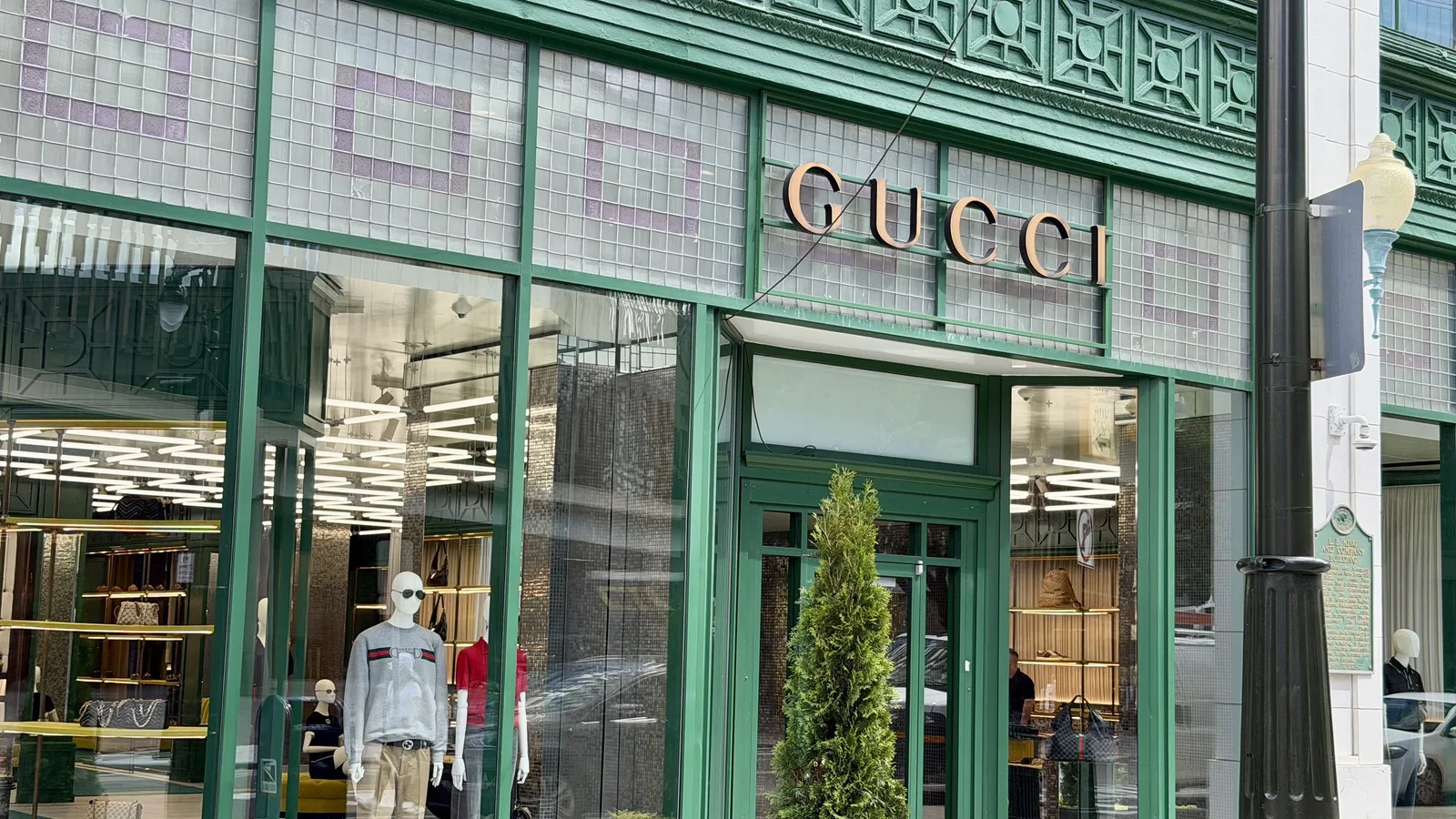
On paper, Kering's third quarter was flat. The group behind Gucci, Saint Laurent, Bottega Veneta, Balenciaga, Alexander McQueen and Boucheron reported revenue of €3,345 million for the three months to the end of September, against €3,331 million a year earlier: stable as reported and down 1% on a comparable basis, which strips out currency and scope effects. Investing.com noted that the figure was broadly in line with the €3.34 billion analysts had expected.
The market did not read it as a steady quarter. Gucci, which still generates close to two-fifths of group sales, fell again, and Kering's shares dropped sharply when trading opened in Paris the next morning. The question is no longer whether the group's other houses can grow. They can. It is whether they can grow fast enough while Gucci is rebuilt.
The numbers
The press release, published on 22 October, splits the business into three divisions. Kering Fashion & Leather Goods, which includes every fashion house, took €2,743 million, down 1% as reported and 3% on a comparable basis. Within it, Gucci recorded €1,291 million, down from €1,343 million: a 4% fall as reported and 6% on a comparable basis. Kering Jewelry rose to €239 million, up 12% as reported and 11% comparable, and Kering Eyewear grew to €373 million, up 6% and 4%.
By channel, sales in the group's own shops, including e-commerce, fell 3% on a comparable basis, while wholesale and other revenue rose 3%. Over the first nine months, revenue reached €10,565 million, down 2% as reported and stable on a comparable basis. The 2025 comparatives have been restated to exclude Kering Beauté.
"Third-quarter revenue reflects the phasing we anticipated, in a softer macroeconomic environment," said Luca de Meo, Kering's chief executive. "The recovery of Gucci remains our defining priority."

Gucci: better tickets, fewer visitors
Kering's explanation of Gucci's quarter is about footfall. The company said traffic remained the main constraint, while conversion, average price and average ticket improved as new collections reached stores. It also pointed to a more demanding comparison base and "a less pronounced newness effect" than in the second quarter. Sales in Gucci's own shops fell 9% on a comparable basis. North America was the house's most resilient market, while lower traffic weighed on Asia-Pacific, particularly mainland China, and on Japan.
Wholesale moved the other way. Gucci's wholesale revenue reached €120 million, or 9% of the quarter's sales, up 45% on a comparable basis; Kering attributed this to a low comparison base and order-book effects as the new collections came through.
On the earnings call, chief financial officer Armelle Poulou set out the calendar the group is relying on. The Primavera collection reached stores in mid-July, and GucciCore, the next instalment, arrives in November, the same month Gucci is due to unveil a new store concept on Avenue Montaigne in Paris. She said the house had cut prices on a limited number of seasonal pieces, and that trading in October was broadly in line with the third quarter. She also said Kering aims to reduce inventory in Fashion & Leather Goods by around €1 billion by the end of the year.
The creative picture is already set. In September Demna showed his Spring/Summer 2027 collection for Gucci in Milan inside a reconstructed Gucci store that previewed the new shop design, as we reported in our Milan Fashion Week review. Kering's results suggest those clothes have yet to show up in the figures at the scale investors want.
The other houses carried the quarter
Excluding Gucci, retail sales in Fashion & Leather Goods rose 2%, which Kering credited to Saint Laurent, Bottega Veneta and Brioni. Saint Laurent grew on the back of North America and Western Europe and of what Kering calls VICs ("Very Important Clients"). Bottega Veneta, which Poulou said grew by a high single-digit percentage, "again outperformed across key markets", helped by leather goods and new ready-to-wear. Balenciaga held up in leather goods but remained under pressure in ready-to-wear and shoes, and Alexander McQueen continued what Kering describes as a repositioning around British tailoring.
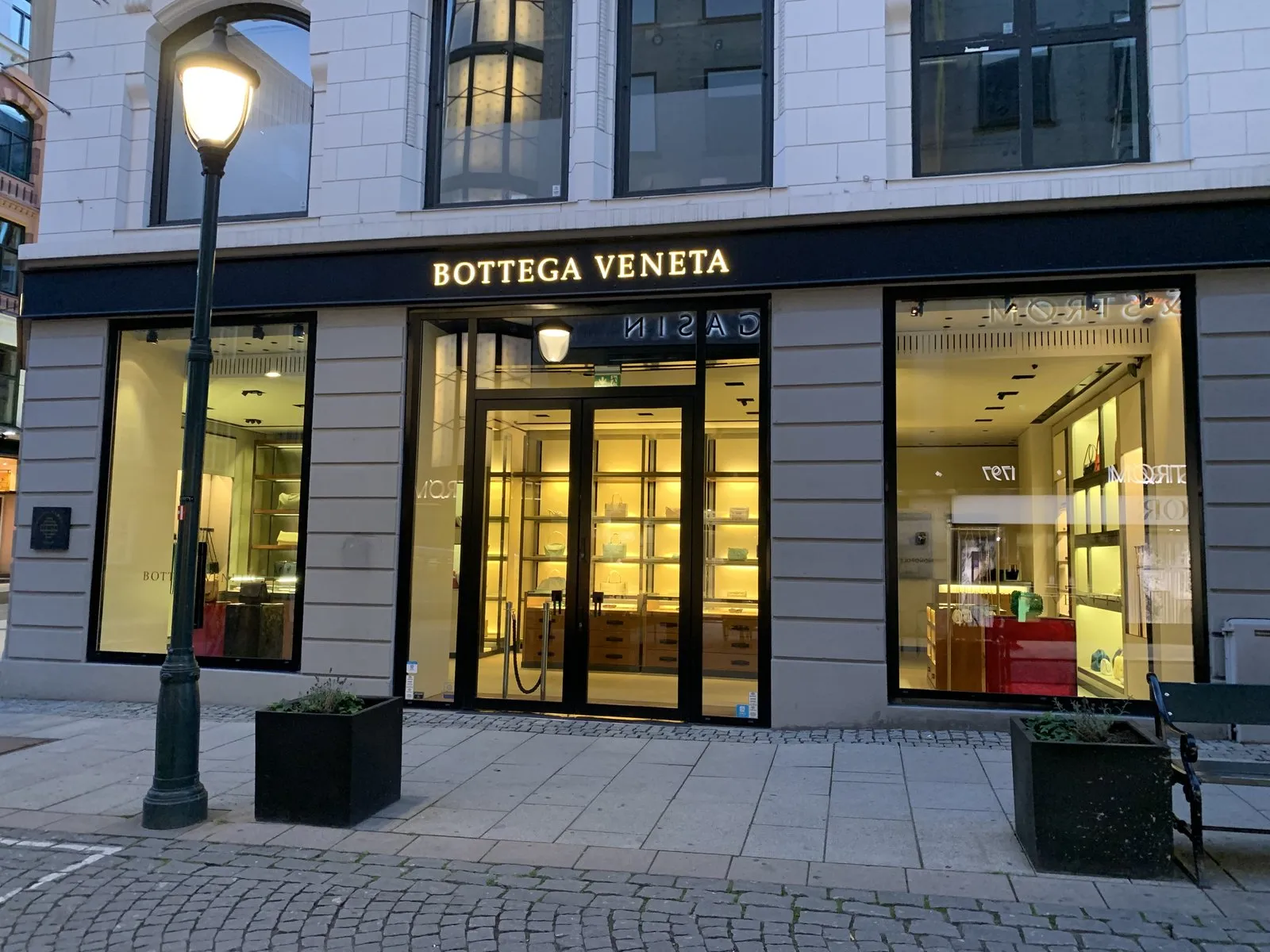

Leadership has changed across the portfolio during the quarter. Romain Spitzer became chief executive of Bottega Veneta on 1 September, and Kering named new chief executives at Pomellato and DoDo. On the creative side, Saint Laurent announced the departure of Anthony Vaccarello on 9 October and Alexander McQueen said goodbye to Seán McGirr a week later, changes we covered in this month's creative director moves and McGirr's exit from McQueen. In July, Gucci signed a 50-year exclusive beauty licence with L'Oréal, expected to take effect in mid-2027.
Jewellery is the quiet growth engine
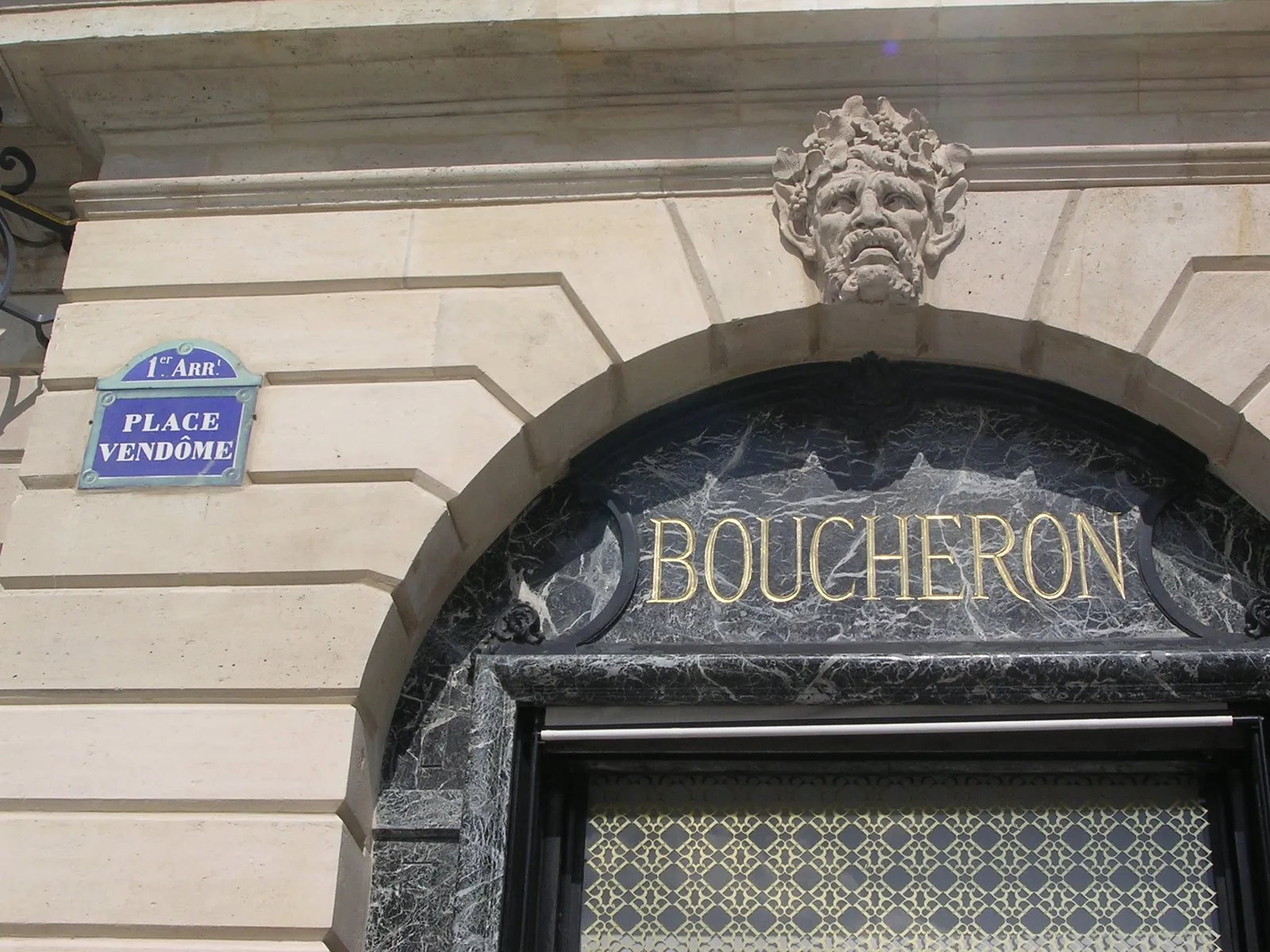
Kering Jewelry was the strongest division. Revenue grew 11% on a comparable basis, and sales in its own boutiques rose 18%. Kering pointed to Boucheron's Quatre and Serpent Bohème collections and to good performance in Japan and South Korea, to Pomellato's Nudo, Iconica and Together lines, and to the launch of Qeelin's Wulu Purple Jade. The group plans to set out more on the division at a Kering Jewelry day in Paris on 2 December, Poulou said on the call.

Fewer, better stores
The most concrete change is to the shop network. After 75 net closures in 2025, Kering closed a further 105 stores net in the first nine months of 2026 (128 closures against 23 openings), already beating its full-year target of 100. It now plans at least 125 net closures this year. For a group whose problem is traffic, closing weaker doors is a way of concentrating clients, staff and marketing on the locations that still draw them.
How the market reacted
Investors focused on Gucci. AFP reported that Kering shares were down 10.8% at €190.40 shortly after the Paris open on 23 October, their lowest level since June 2025, and quoted Deutsche Bank analysts: "Gucci has not shown convincing signs of stabilisation." Investing.com put the fall at around 12% during the session. Il Sole 24 Ore reported that Bernstein cut its price target to €210 from €270 while keeping its market-perform rating, and that Jefferies lowered its target to €200 from €220.
Kering's own guidance did not change. It confirmed its objective of improving its recurring operating margin in 2026, through cost savings while continuing to invest in the houses, and Poulou told analysts the second-half margin should not be expected to exceed the first half's. De Meo framed the timetable plainly: "The transformation of Kering is a multi-season undertaking."
What it means
For the luxury market, Kering's quarter fits a pattern we have followed through this results season, from LVMH's slowdown to Hermès' steadier run: the clients who still spend are spending more per visit, but fewer of them are walking in. Kering's portfolio outside Gucci is growing, and jewellery is growing quickly. But Gucci remains large enough that, until its shops are busier, it will decide how the group's results are received. For a refresher on who owns which house, see our guide to the luxury groups.
Featured image: Asukite, CC BY-SA 4.0, via Wikimedia Commons. Cropped for this page; the cropped version is shared under the same CC BY-SA 4.0 licence.
