
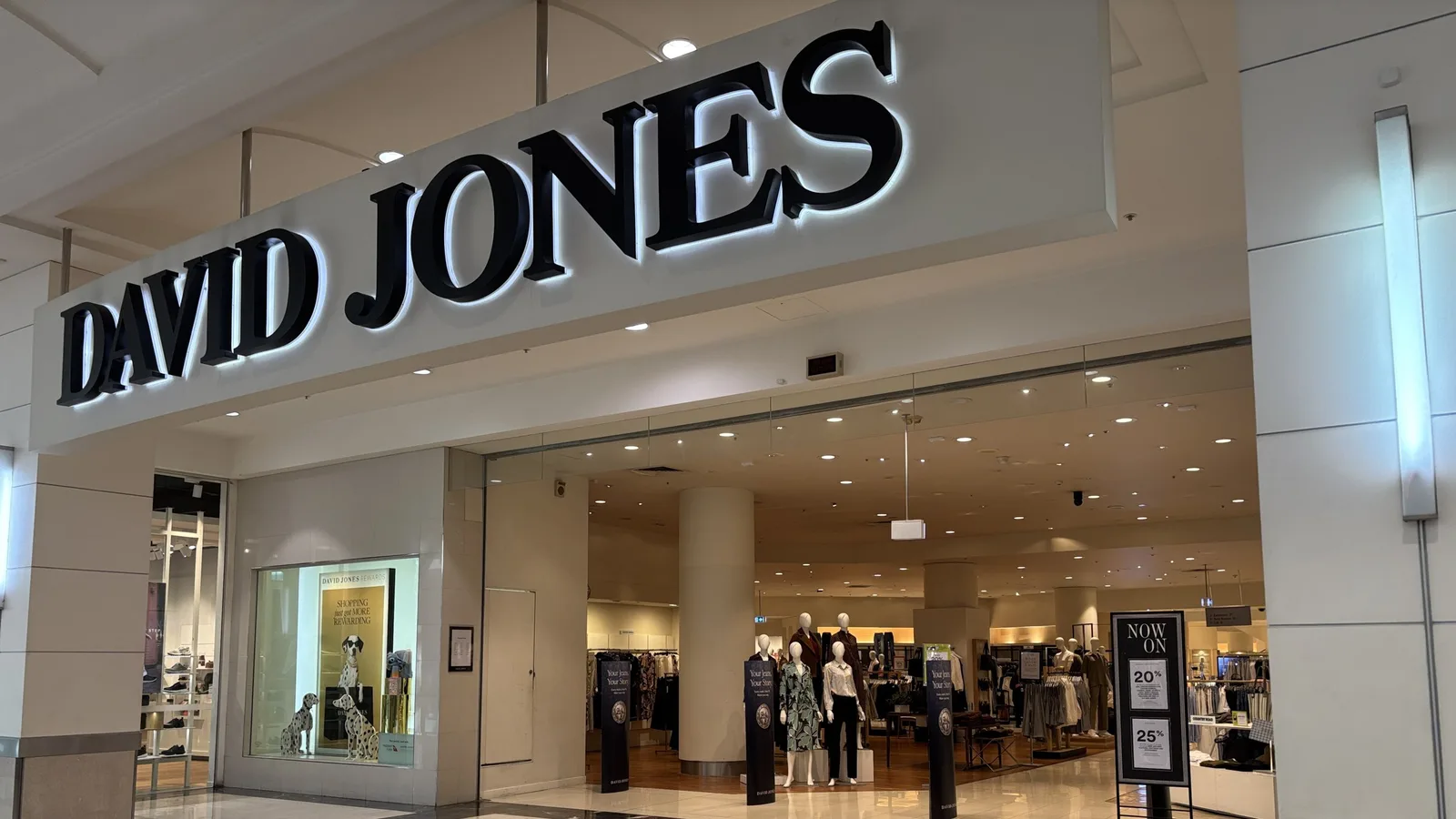
David Jones, Australia's oldest department store, is about to become half the size. On Wednesday 11 November, the receivers who took control of the business less than a week earlier said 19 of its 38 stores had been identified for closure as part of what they called an "urgent restructure". The stores will keep trading through Christmas, but the receivers expect them to close by the end of the year.
It is the sharpest change in the 188-year history of a retailer that, for generations of Australians, was where fashion arrived first. It also matters to the brands that rely on it: designer concessions, Australian labels and international houses that use its floors as their national shop window.
Who is in charge
The company entered a dual process on 5 November. According to Business News Australia, Christopher Hill, David McGrath and Joanne Dunn of FTI Consulting were appointed receivers and managers of ACP Riley Street Midco Pty Ltd, the parent of David Jones Pty Limited, and associated companies. They were called in by the secured lender Hilco, which had provided a three-year asset-backed lending facility. On the same day the directors appointed Jason Preston, Shaun Fraser, Jacinta Neilsen and Matthew Hutton of McGrathNicol as voluntary administrators.
Under that arrangement, The Guardian explains, FTI runs day-to-day trading while McGrathNicol looks for a buyer or new capital. On his appointment, Hill cited the retail trading environment, rising costs, supply chain challenges and "a significant and outdated retail footprint". ABC News reports that the collapse followed a breakdown in negotiations with the landlord Westfield, whose owner, Scentre Group, said David Jones had not paid rent since September.

The stores that will close
The list, confirmed by the receivers and reported by ABC News, Business News Australia and The Guardian, is weighted towards smaller suburban stores:
- New South Wales (7): Macquarie Centre, Macarthur Square, Parramatta, Wollongong Central, Hornsby, Green Hills and Warringah Mall
- Victoria (3): Malvern Central, Highpoint and Glen Waverley
- Western Australia (3): Hay Street Mall, Garden City and Carousel
- Queensland (2): Robina Town Centre and Sunshine Plaza
- South Australia (2): West Lakes and Marion
- Australian Capital Territory (1): Woden
- New Zealand (1): Newmarket, the group's only store there
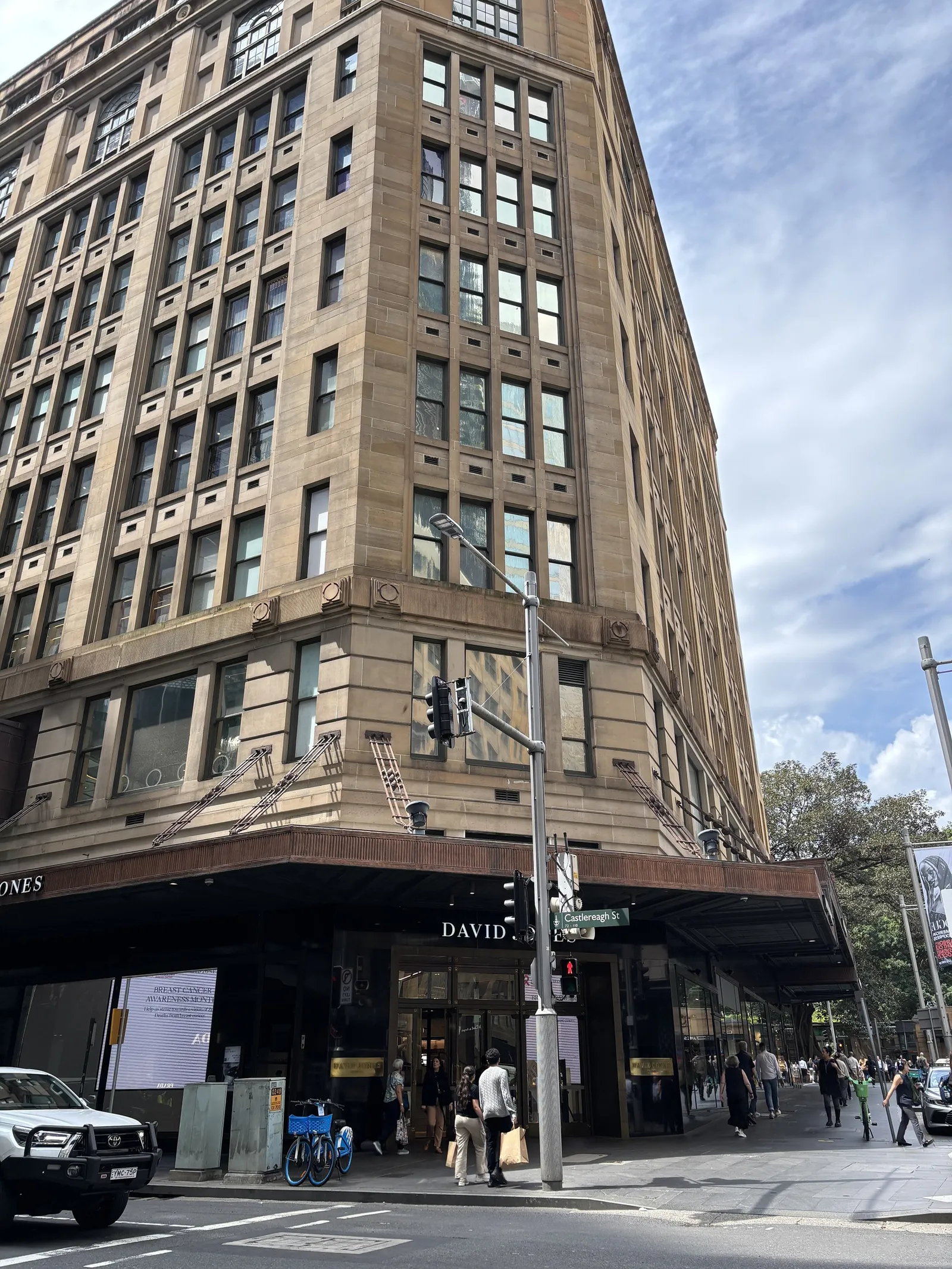
The Sydney and Melbourne city flagships are not on it. Perth's city store in the Hay Street Mall is. Earlier in the month ABC News reported that its landlord, Starhill Global REIT, had told the Singapore Exchange that David Jones was A$1.48 million behind in rent there and that it was weighing a smaller footprint or a new tenant.
"Put simply, our store portfolio is no longer the right shape for the business, and this change is about creating a network that is financially sustainable for the future," the chief executive, Erica Berchtold, wrote in correspondence seen by The Guardian. In a statement reported by Business News Australia, the receivers said that "whilst the impacts are highly regrettable", the steps were "unavoidable if David Jones is to continue as a viable business". They said the plan was in line with one management had been preparing before their appointment.
The group employs about 6,000 people. The receivers have not said how many jobs will go. Staff at the 19 stores have entered a seven-day consultation, and the Shop, Distributive and Allied Employees' Association said it would push for workers to be moved to other stores or paid their full redundancy entitlements. "Today these workers are receiving this terrible news through no fault of their own," the union's national vice-president, Bernie Smith, told The Guardian.

What it means for brands
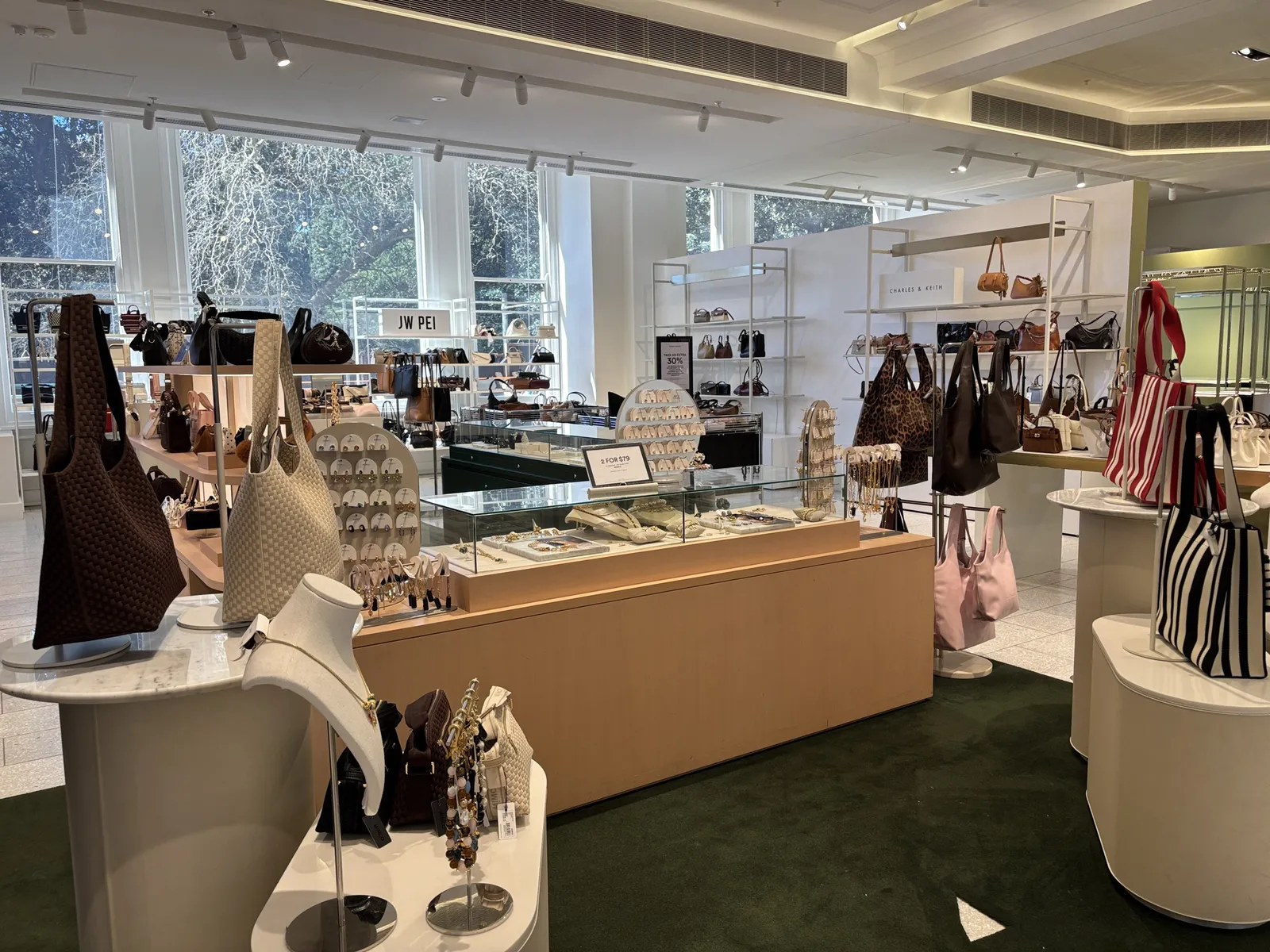
For fashion labels the most immediate question is money. The Guardian reports that documents released by the administrators show some small suppliers are owed for stock sent as far back as April, well before the missed rent and the administration. McGrathNicol has asked creditors to lodge proofs of debt by 16 November, ahead of a first meeting of creditors, held remotely, on 17 November. ABC News reports that the call is likely to draw claims from thousands of businesses, from fashion brands to major landlords.
Supply has been patchy. ABC News reported that many concession shelves were stripped of stock in the first days, and the receivers acknowledged "limited instances" of brand partners withdrawing from some stores, according to Business News Australia, while they reordered stock from suppliers with confirmed trading agreements. Hilco staff will work inside the closing stores to speed up sales and promotions, Berchtold told staff. Stock in those stores will be discounted or sent to other locations.
There is also a customer rush. The receivers said foot traffic and sales had been at "record levels" since their appointment. The David Jones website warns that deliveries may take longer than usual, and express, same-day and click-and-collect options are unavailable. ABC News reports that items bought from 7 November must be exchanged within 14 days, with five extra days for online orders.

A smaller David Jones?
The business has changed hands several times. The private equity firm Anchorage Capital Partners bought it from South Africa's Woolworths Holdings in late 2022, reportedly for A$100 million, a steep discount to the A$2.1 billion Woolworths paid in 2014, Business News Australia notes. The Guardian reports that Anchorage has long wanted a slimmer David Jones without long leases on weaker sites, and that it is expected to propose buying the chain back from the administrators. ABC News says expressions of interest from other buyers are due by the end of this week. McGrathNicol has said it intends to ask the NSW Supreme Court for more time to run a sale or recapitalisation.
Analysts see a future in fewer, better stores. Tom Kierath, head of consumer research at Barrenjoey, told ABC Business Daily that David Jones had "some wonderful sites" but too many of them, and that any revived business would be "a much smaller, slimline version" of today's, with more experience and an enhanced food and drink offer. Scentre Group told The Guardian its malls were "practically full" and that it could bring other brands into its 17 centres that host the department store.
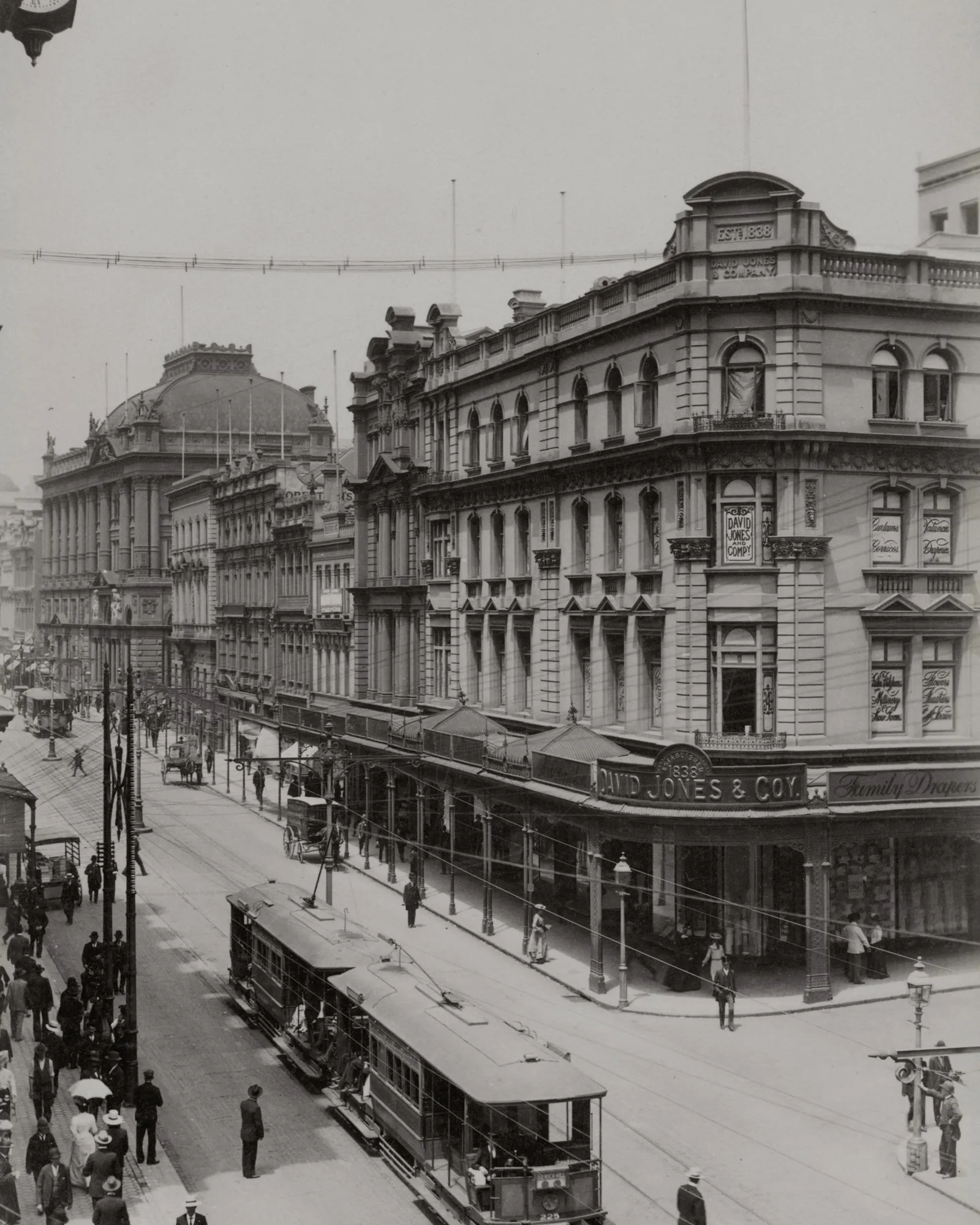
The history explains the attachment. Founded by David Jones as a drapery in 1838, more than six decades before Federation, the business expanded into new buildings on Market and Elizabeth Streets in the 1920s and, in the 1940s, hosted the first Christian Dior fashion parade outside Paris, ABC News recalls. The founder's descendants, Susanna de Vienne and Charles Lloyd Jones, told the ABC's 7.30 they hoped for a "David Jones 2.0".
The closures follow a hard year for Australian fashion retail, including the receivership of Cue and Veronika Maine (see our report on Australian fashion brands closing). Whether David Jones emerges smaller or under a new owner, the brands that sell through it will be planning their 2027 distribution with far fewer doors.
Featured image: Nick-D, CC BY-SA 4.0, via Wikimedia Commons. Cropped for this page; the cropped version is shared under the same CC BY-SA 4.0 licence.
