
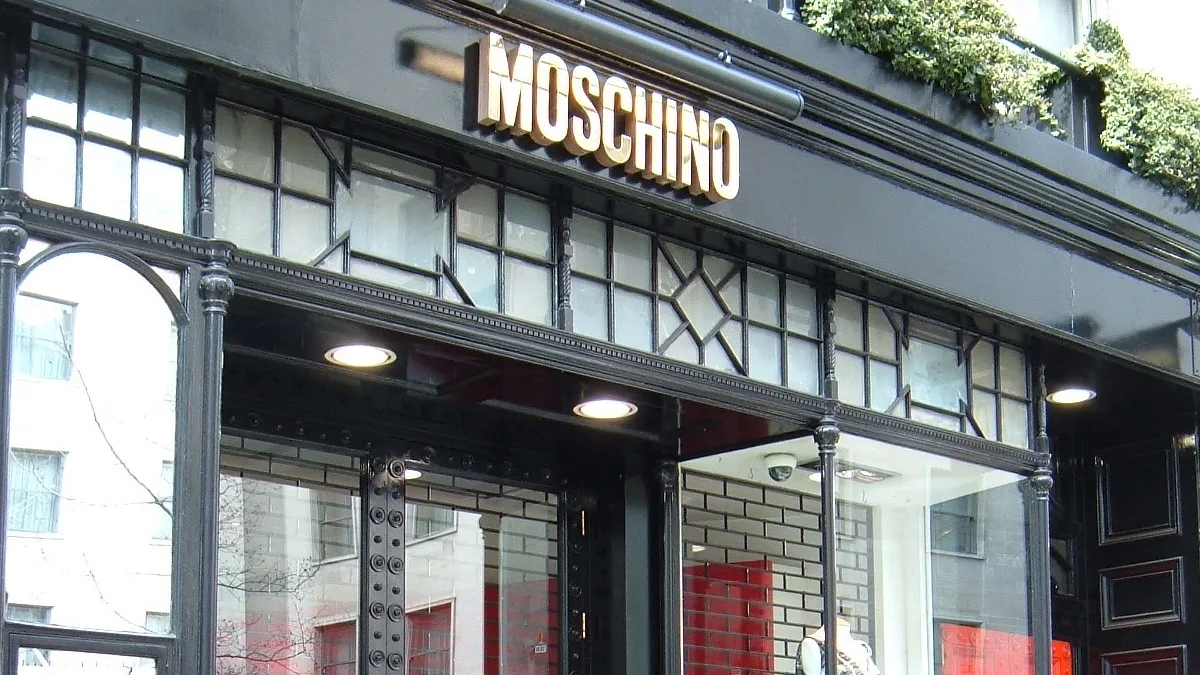
Aeffe has long been the quiet machine behind some of Italy's most recognisable names. From its base in San Giovanni in Marignano, near Rimini, the listed group owns Alberta Ferretti, Moschino and the shoemaker Pollini. Now it is being taken apart in order to be saved.
Under a rescue led by the Italian turnaround investor Oxy Capital, each brand would move into its own newly formed company, leaving the listed Aeffe and its subsidiary Pollini S.p.A. released from their debts but also, in the group's own words, with "substantially no assets". On 16 November la Repubblica reported the plan under the headline that the group "splits into three to save 700 employees", and named the Chinese menswear company Septwolves as the investor taking a stake.
The key facts
- Who: Aeffe S.p.A., listed on Euronext Milan; owner of Alberta Ferretti, Moschino and Pollini
- The offer: about €115 million in total value, led by Oxy Capital on behalf of a pool of co-investors, partly cash and partly assumed liabilities
- The structure: three new, independent operating companies, one each for Moschino, Alberta Ferretti (with the San Giovanni in Marignano factory) and Pollini
- Partners: a minority Chinese industrial partner without governance rights, an unnamed Italian industrial partner, plan financing from illimity Banca Ifis, and the state agency Invitalia for Pollini only
- Jobs: more than 700 in Italy, according to Italy's ministry of enterprise (Mimit)
- Timetable: final restructuring filing due by 9 December 2026, court hearing on 15 December, completion expected in the first weeks of 2027
How the deal works
The architecture was set out by Aeffe on 30 September. Rather than buy the group as a single company and break it up later, Oxy's vehicles would acquire "substantially all of the business assets" of Aeffe and Pollini directly, through three new companies it indirectly controls: one for the Moschino brand; one for the Alberta Ferretti brand and the group's manufacturing at San Giovanni in Marignano; and one for the Pollini business. Italian employees in scope would transfer with them. Aeffe's shareholdings in its foreign subsidiaries, and the staff of those companies, would not.
The price is paid partly in cash and partly by taking on certain liabilities in full discharge. Aeffe and Pollini would keep earn-out rights linked to any future sale of the new companies, and each newco would be given enough cash to fund its operations for the first three years, according to the company.
The members of the Ferretti family who hold the majority of Aeffe's shares, through the holding companies Colloportus and FQuattro, were in discussions about taking part. When the investor group was presented at Mimit on 28 September, the ministry said the family had offered its support.

Why a Chinese partner matters
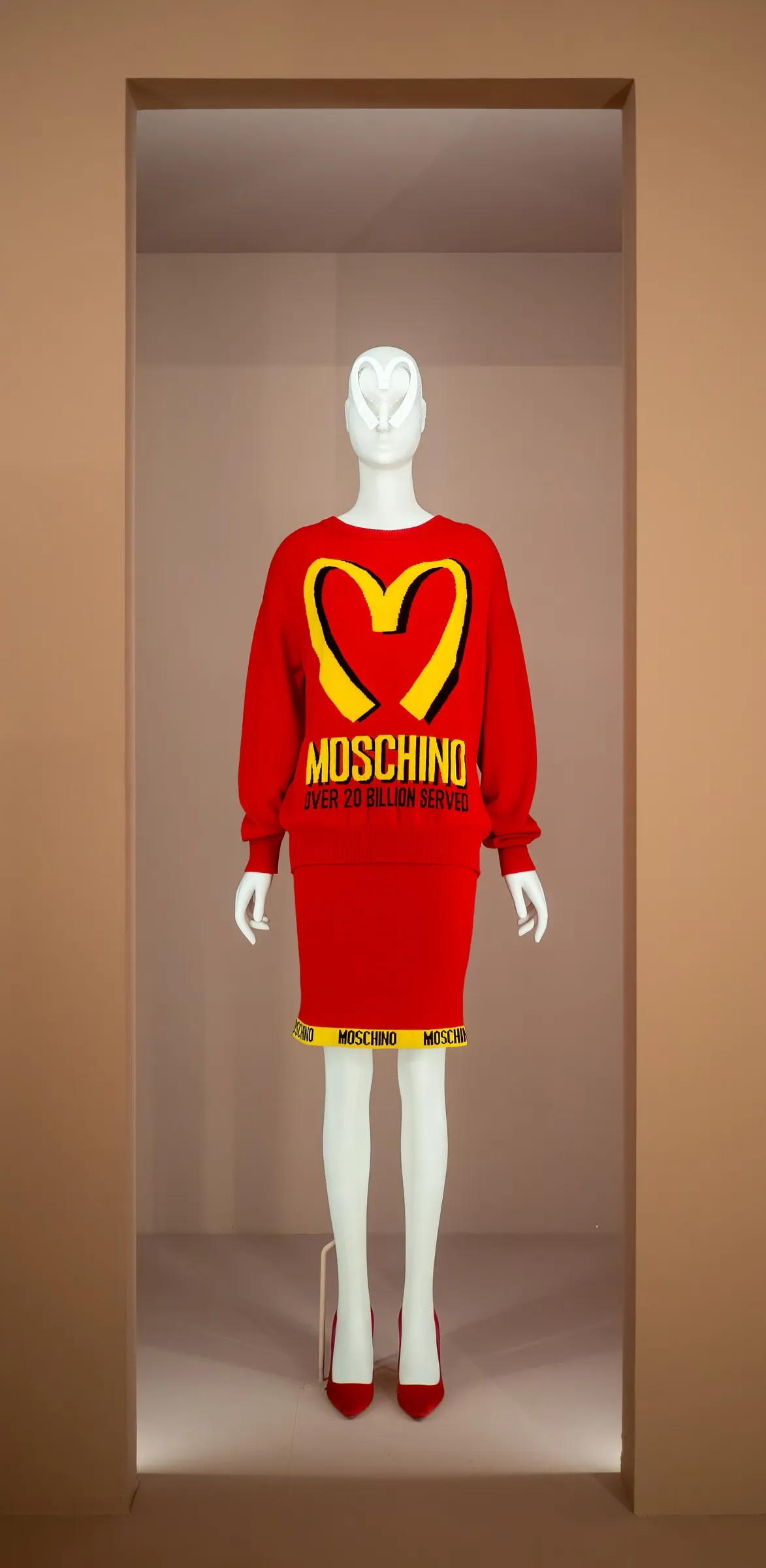
Mimit described the Chinese investor as an industrial partner joining with a minority stake and no governance rights, bringing industrial expertise and commercial presence in Asian markets, especially China. As part of the deal, it said, that partner could be granted the exclusive licence for Moschino in China.
La Repubblica identifies the partner as Septwolves. According to its 2025 annual report, Fujian Septwolves Industry Co. is registered in Jinjiang, in China's Fujian province, describes itself as one of the country's leading menswear companies, with a brand history of 35 years, and is listed in Shenzhen. Aeffe itself has referred only to an "industrial investor listed in China".
How Aeffe got here
The group has been in Italy's negotiated crisis settlement procedure since 2 October 2025. In July 2026, WWD's Luisa Zargani reported, Oxy formalised a binding offer after due diligence, with Lazard advising Aeffe on the search for investors. Oxy, which has offices in Lisbon and Milan, specialises in corporate turnarounds.
The numbers explain the urgency. In its last nine-month figures, for the period to September 2025, Aeffe reported sales of €155 million, down 25.4 per cent on the year before, and an EBITDA loss of €11.9 million, according to WWD. At 30 September 2026, the group's net financial debt stood at about €115 million, of which €110.9 million was short-term, against cash of €13.5 million, according to a disclosure Aeffe publishes at the request of the Italian market regulator, Consob.
When the twelve-month negotiated procedure ran out on 4 October, Aeffe and Pollini filed a so-called reservation application with the court in Bologna. On 19 October the court gave them until 9 December to file their final restructuring application, appointed two judicial commissioners, set a hearing for 15 December and confirmed protective measures against creditors until 10 February 2027. It also began preparations to test whether any better offer than Oxy's exists, and reserved the right to publish a sale notice. A request for up to €7 million in bridge financing was still pending, as talks with the lending bank continued.

The jobs question
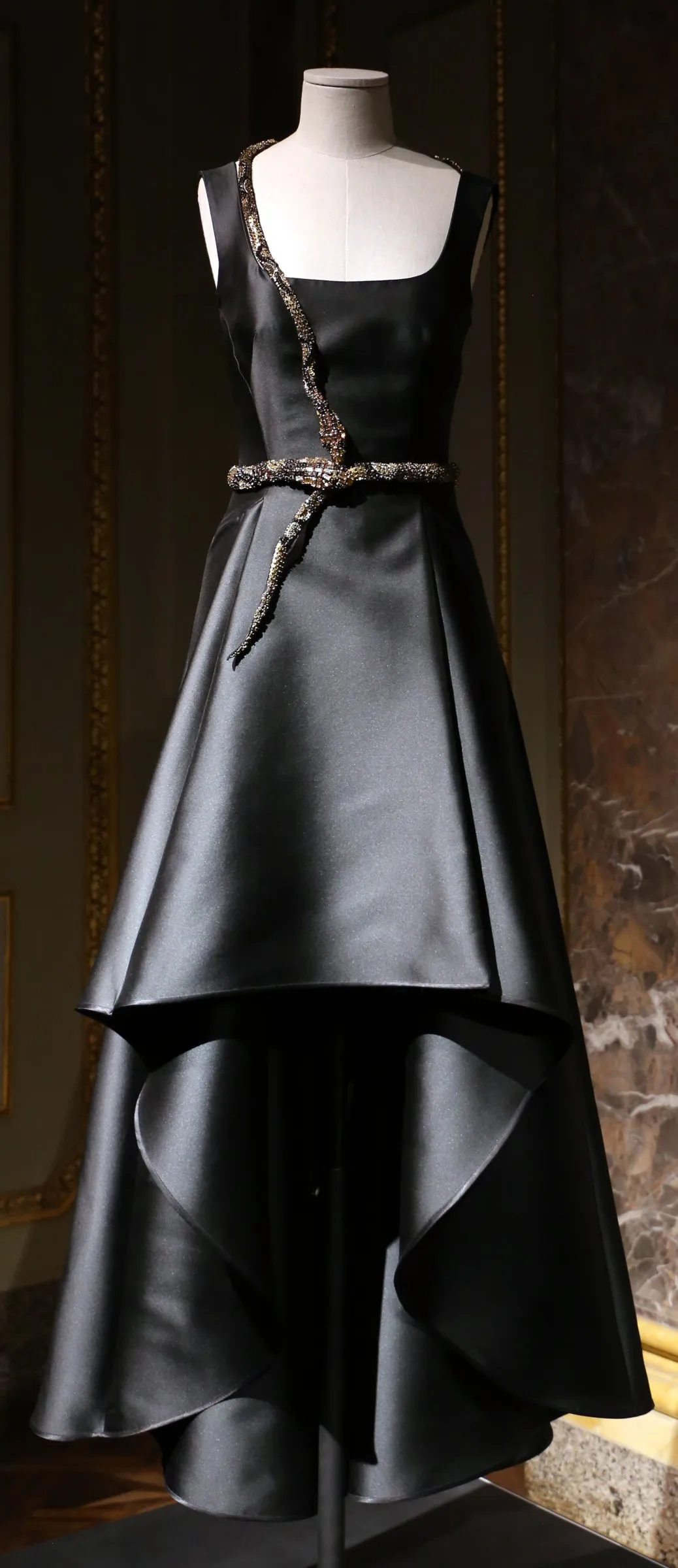
Every party has framed the deal around employment. Mimit puts the jobs to be protected at more than 700. When the offer was formalised in July, the unions FILCTEM-CGIL, FEMCA-CISL and UILTEC-UIL welcomed it as a way to avoid liquidation, while setting out their priorities: full protection of existing jobs and contracts, and a long-term industrial plan that avoids purely financial or speculative moves, as WWD summarised them.
The process has not been painless. FashionNetwork reported in October that Aeffe had sought an extraordinary wage-support scheme (cassa integrazione straordinaria) for 389 employees, 289 at the Rimini-area plant and 100 at the Milan headquarters, after a staff-reduction plan that had foreseen 221 redundancies, according to local press cited by FashionNetwork. After the September ministry meeting, Il Resto del Carlino reported, Oxy reiterated that it did not intend to make further cuts.
The brands keep showing
Through all of this, the collections have continued. In September, Simone Rizzo and Loris Messina, the duo who founded Sunnei, showed their first collection for Moschino on the roof of a car park on the edge of Milan, with "Reignite Moschino without imitating it" among the mantras in the show notes, WWD reported. At Alberta Ferretti, Lorenzo Serafini's spring 2027 collection, "A Beautiful Escape", drew on the 1920s, Léon Bakst and Balanchine. (For Moschino's founding spirit, see our review of the Franco Moschino exhibition at Forte di Bard.)

What it means
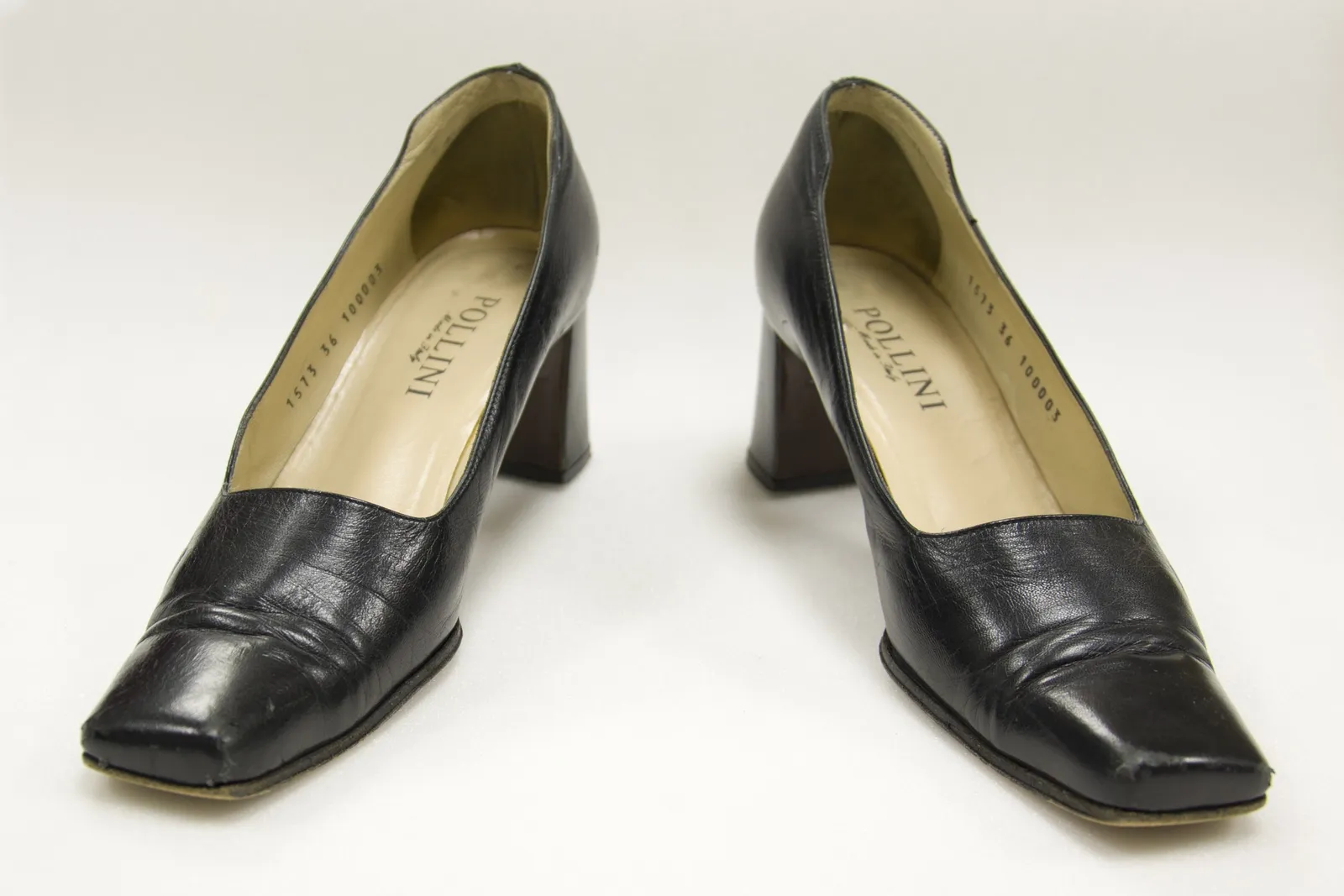
If it goes through, the Aeffe model, one Italian group making and selling several brands, will give way to three stand-alone companies under financial ownership, each with its own balance sheet and, potentially, its own future buyer: the earn-out rights are written around exactly that possibility. For the wider map of who controls fashion's houses, see our guide to who owns luxury.
The next dates to watch are 9 December, when the final plan is due in Bologna, and the 15 December hearing. Until then, the court's search for a better offer means Oxy's deal, while binding, is not yet the last word.
Frequently asked questions
Who is buying Moschino?
Under the plan, a new company indirectly controlled by the turnaround investor Oxy Capital would acquire the Moschino business, as part of an offer worth about €115 million for the Italian businesses of Aeffe and Pollini.
What happens to Alberta Ferretti and Pollini?
Each moves into its own new company. The Alberta Ferretti company also takes the group's factory at San Giovanni in Marignano; Invitalia's participation is limited to the Pollini business.
What is Septwolves's role?
La Repubblica reports that the Chinese menswear group is taking a stake. Italy's ministry says the Chinese partner would hold a minority without governance rights and could receive an exclusive Moschino licence for China.
When will the deal close?
Aeffe expects completion in the first weeks of 2027, after the final filing due by 9 December 2026 and a court hearing on 15 December.
Featured image: Denna Jones, CC BY 2.0, via Wikimedia Commons. Cropped for this page.
