
Three years after he was handed one of the most demanding jobs in fashion, Seán McGirr is leaving Alexander McQueen. Kering announced the departure on Thursday 15 October, six days after confirming that Anthony Vaccarello was leaving Saint Laurent. "The House will soon announce its new creative leadership," the group said. As of Kering's third-quarter results a week later, it had not.
The statement was warm on all sides. Gianfranco D'Attis, McQueen's president and chief executive, thanked McGirr for approaching the house "with great respect for its history while expressing his own vision", and said his "talent and passion have helped us reconnect Alexander McQueen with London, its culture, and its extraordinary creative energy". But Kering's chief executive, Luca de Meo, spoke about the future rather than the past: "Our ambition is to establish a bold new direction for the House, building on its unique heritage of exceptional tailoring, uncompromising creativity and rebellion."
An impossible inheritance
McGirr arrived in October 2023 from JW Anderson, where he had been head of ready-to-wear; before that he had worked at Dries Van Noten, Uniqlo and Burberry. It was his first creative directorship. He succeeded Sarah Burton, who spent 26 years at the house and 13 as creative director after the death of its founder, Lee Alexander McQueen, in 2010. Vogue credits Burton with "balancing the brand's couture ethos with a strong ready-to-wear offer".
The business he walked into was already under strain. The Business of Fashion describes a brand facing "a sharp downturn in sales due to a slowing luxury market and fading demand for its hit line of puffy sneakers", while also losing many seasoned team members after Burton left.
Three shows, three stages
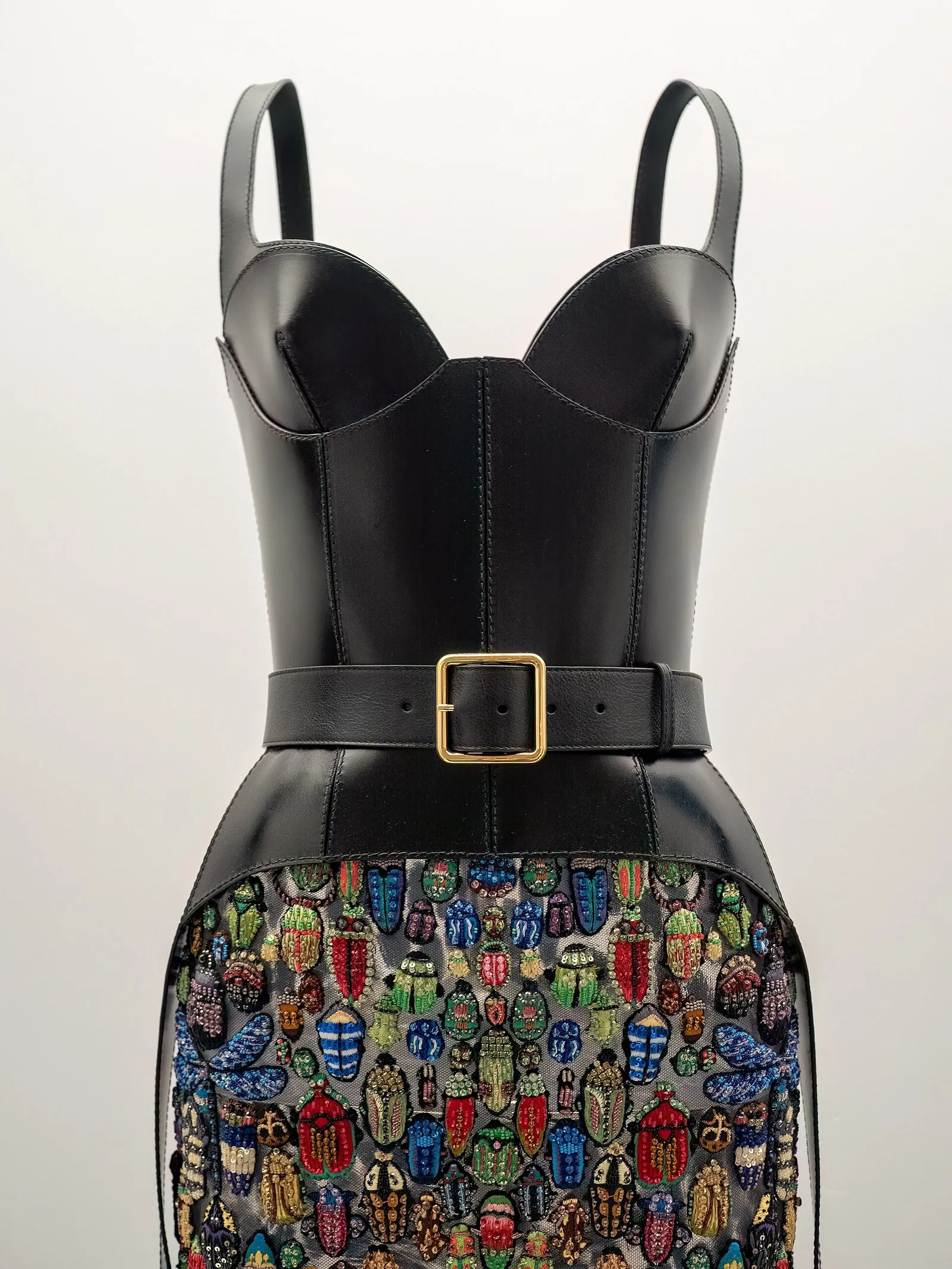
McGirr's debut, in March 2024, was staged in a warehouse on the outskirts of Paris. Vogue's chief critic Sarah Mower saw in it "the rawness of the original venue, a derelict rave warehouse in London's Kings Cross where McQueen had shown The Birds". The clothes (exaggerated knitted necklines, shearling, jet-beaded trouser suits) aimed at a younger customer with a looser silhouette. BoF reports that some retailers and critics found it "messy", a too-sharp break from the house's reputation for rigorous tailoring; Harper's Bazaar noted that the "divisive offering lost some McQueen purists but gained a whole new generation of fans".
His second show, at the École des Beaux-Arts, was "more cohesive and more commercially viable", in the words of Nicole Phelps, global director of Vogue Runway and Vogue Business. Later collections were, by BoF's account, "more tightly executed but struggled to reinvigorate market interest".
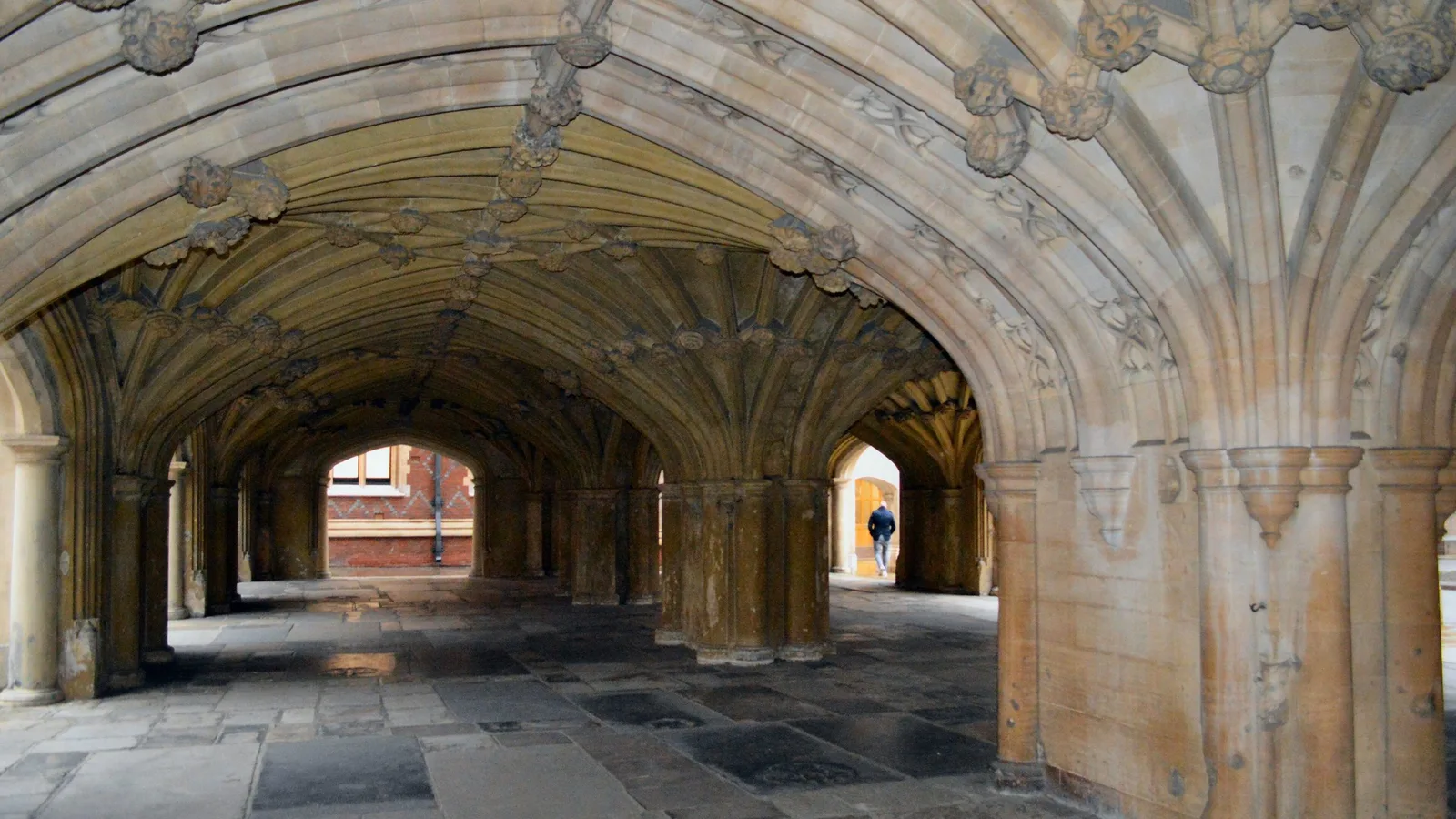
The last was a homecoming. For spring–summer 2027 McQueen moved its show back to London, staging it during London Fashion Week in the undercroft of Lincoln's Inn Chapel, beneath the Gothic vaulting pictured above. Vogue described closed-over shoulders "built to resemble furled angel wings" and gowns "with anarchic enhancements"; Harper's Bazaar called it "an exciting homecoming for the house" but said it "fell flat to critics". It turned out to be his final collection for the house.
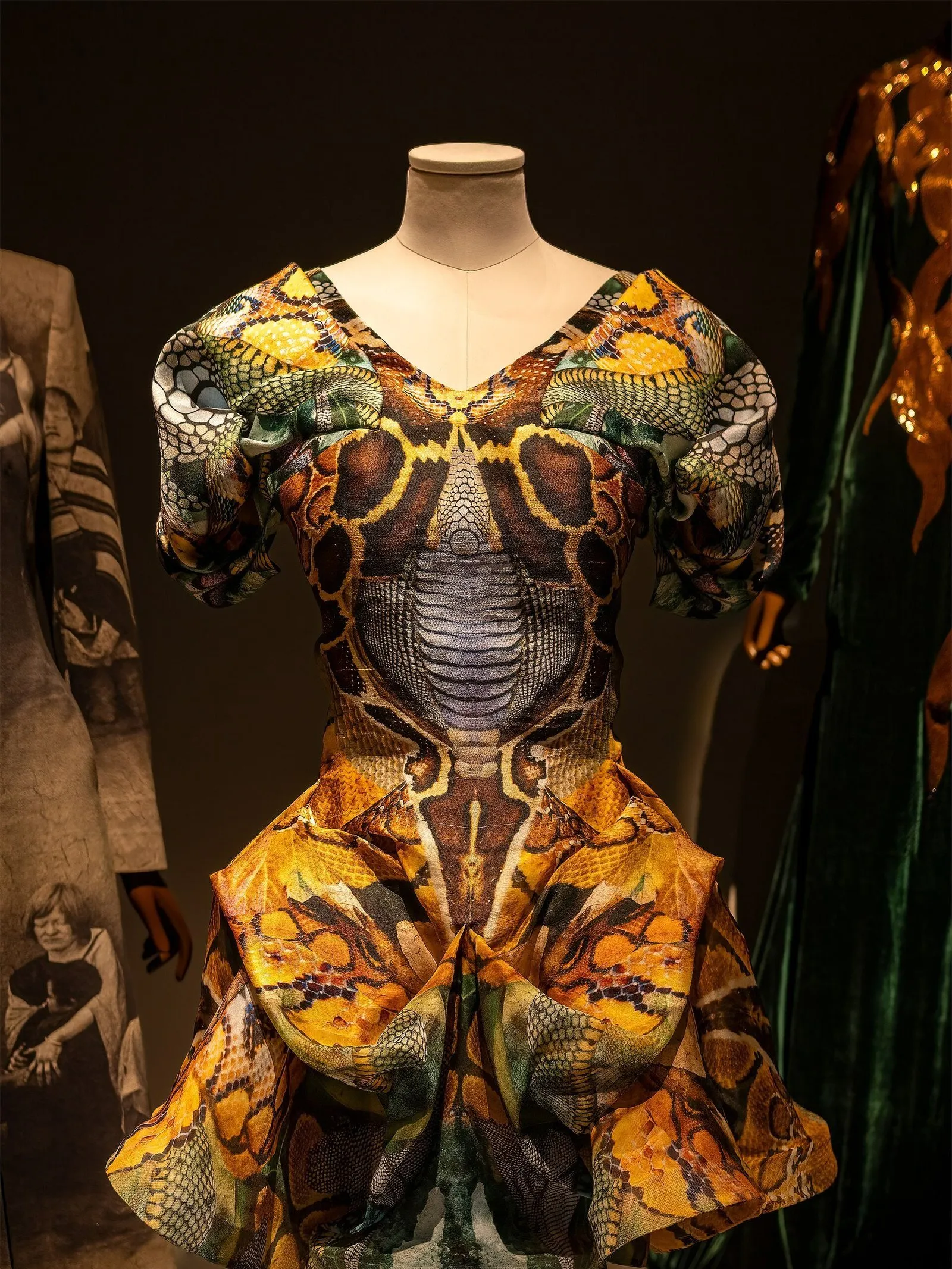
In his own statement McGirr said his vision "was grounded in the interplay between raw, visceral, human beauty and the precision and rigor at the heart of the House", and that he was "incredibly proud of the progressive energy we cultivated as a team". He has not announced his next move.
A smaller, sharper McQueen
The designer leaves a business that has been deliberately shrunk. Kering does not publish sales for McQueen, but estimates have fallen steeply: Vogue, citing Bernstein, puts 2025 revenue at less than €200 million, down from a peak of €850 million in 2022–23; BoF puts the peak at €800 million. D'Attis, recruited from Prada, became chief executive on 3 June, after a restructuring that Vogue says involved job cuts and executive changes.
At Kering's Capital Markets Day in Florence on 16 April, de Meo set out a plan for 50 per cent fewer McQueen stores by the end of 2026 than at the end of 2025, and for "rightsizing all functions". He was blunt about what had gone wrong. "You take a brand like McQueen, which is by nature a very niche, edgy, avant-garde [house]. And then you start opening shops and doing accessible products. This is not McQueen," he told reporters, according to Vogue. "I need to go back to the source of McQueen, which is occasion wear, tailoring, gowns, some funky accessories." By the end of July, he said, the house had closed 20 stores in the first half.
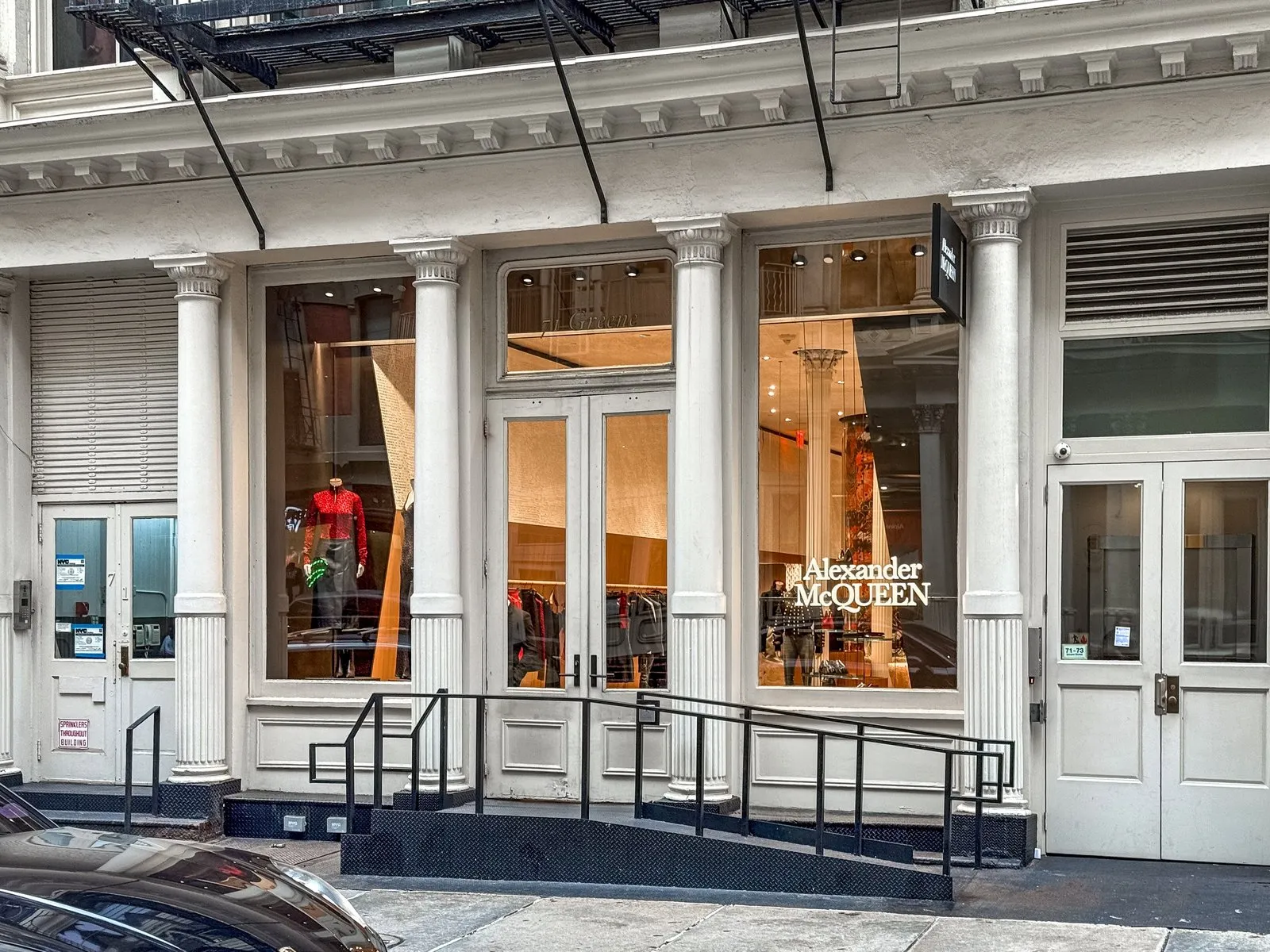
When Kering reported its third quarter on 22 October (revenue of €3.345 billion, flat on a reported basis and down 1 per cent like-for-like), FashionNetwork noted that McQueen "continues its streamlining". De Meo's message was that the group is "stepping up our efforts to revitalise Balenciaga and Alexander McQueen".
What the next designer inherits
Whoever follows McGirr will not have to make the case for London. McQueen has relocated its shows there, and D'Attis told Vogue Business in September: "We are very much committed to showing in London from here on." Vogue reports that the new creative director will make their debut in the city.
They will also inherit a clear brief from the owner: fewer shops, less entry-level product, and a return to tailoring, eveningwear and spectacle. As BoF puts it, the memory of the founder's "theatricality, technical virtuosity and iconoclastic spirit still looms large in fashion", and reconnecting with it "without appearing ersatz is a challenge". With Saint Laurent also looking for a designer, Kering now has two of its houses' creative futures to settle at once. For more on the founder's own work, see our profile of Lee Alexander McQueen, and our earlier report on Vaccarello's exit and the other appointments reshaping the industry.
Featured image: AndyScott, CC BY-SA 4.0, via Wikimedia Commons. Cropped for this page; the cropped version is shared under the same CC BY-SA 4.0 licence.
