
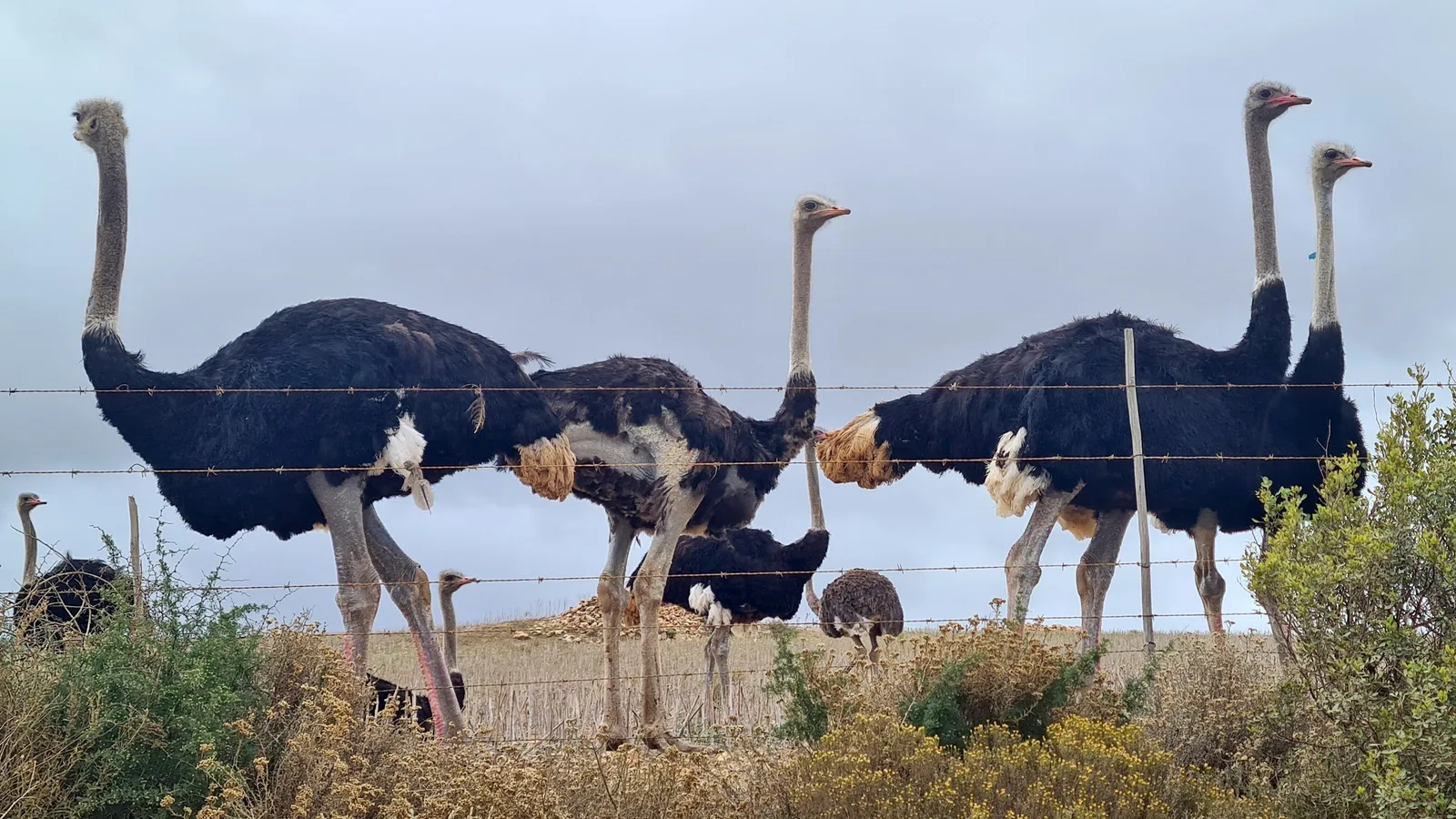
Fur has largely left the luxury website. Exotic skins are following it out. Now the feathers are going too. LuxExperience, the Dutch-registered group that owns Mytheresa, Net-a-Porter, Mr Porter and Yoox, has added ostrich feathers to the list of materials its four stores will no longer sell, in an update to its animal welfare policy this month, The Business of Fashion reported on 24 November.
The ban applies from the Autumn/Winter 2027 buying season, which means the group will stop ordering new products that contain ostrich feathers; existing stock will be phased out by the end of 2028. For one of the largest luxury e-commerce businesses in the world, that is a significant change of position, and a quick one. As recently as May, the group's published policy said it would "continue to sell products incorporating ostrich feathers", provided they could be traced to birds raised for food, under recognised welfare standards and without live plucking.
The key facts
- Who: LuxExperience, owner of Mytheresa, Net-a-Porter, Mr Porter and Yoox
- What: no more products containing ostrich feathers
- When: no new buying from the Autumn/Winter 2027 season; remaining stock gone by the end of 2028
- Already banned: fur, angora and other rabbit hair, exotic skins (with an exception for fine watches on responsibly sourced alligator or crocodile straps), and leather from purposely aborted animals such as karakul lambs
- Still sold: leather, shearling, sheepskin, calf hair, wool, cashmere, mohair, alpaca, camel hair, silk, duck and goose down, and turkey and rooster feathers
What the policy says
LuxExperience was formed when Mytheresa completed its acquisition of Yoox Net-a-Porter from Richemont in April 2025; the parent company took the LuxExperience name the following month. Its group-wide animal welfare policy, developed with Humane World for Animals and the Italian Anti-Vivisection League (LAV) and in line with the Fur Free Retailer programme, ended fur and angora across all four stores and set a timetable to remove exotic skins from Net-a-Porter, Mr Porter and Yoox. Mytheresa had already phased them out at the end of 2022.
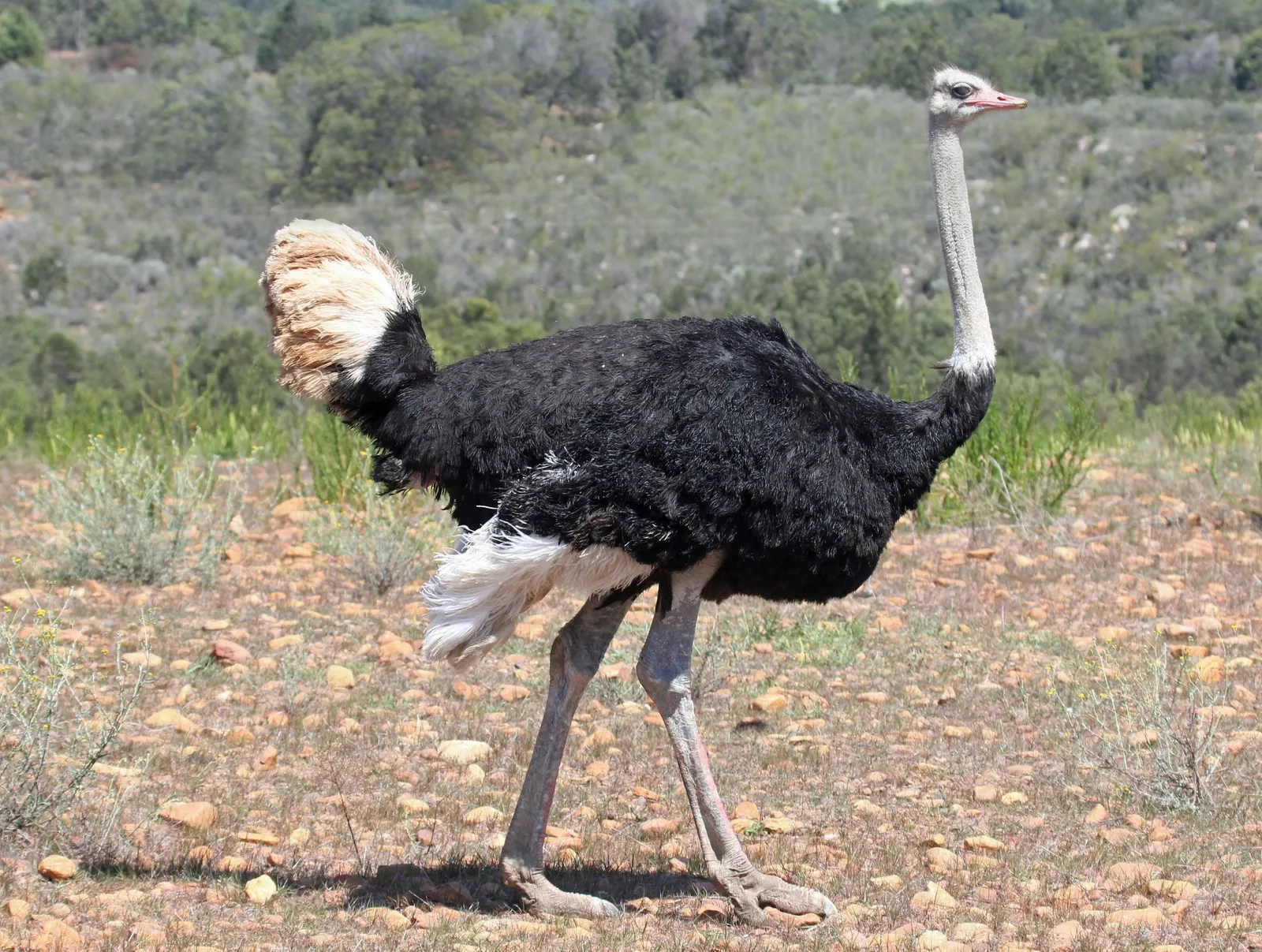

The ostrich carve-out was always the awkward part. Under the May 2026 version, ostrich skin counted as an exotic skin and was banned, while ostrich feathers, often from the same farms, were allowed under conditions. The November update closes that gap. According to FashionNetwork, the revised policy now lists ostrich feathers alongside fur, angora and exotic skins among the materials the stores will not sell.
The campaign groups Collective Fashion Justice and World Animal Protection said they welcomed the policy as "a significant win for animal protection and a meaningful step towards a more compassionate fashion industry". They said the decision followed discussions between LuxExperience, Collective Fashion Justice's founding director Emma Håkansson and its adviser Simon Whitehouse, a former chief executive of JW Anderson. "LuxExperience's new policy leads the way for the rest of the fashion industry," Håkansson told The Business of Fashion.
The investigation behind it
The groups shared findings from Blood Feathers, a report published in September by World Animal Protection with Collective Fashion Justice. It is based on desk research carried out between 2023 and 2025 and on an investigation commissioned by World Animal Protection in 2026 in the Klein Karoo region of South Africa's Western Cape, the centre of the world's ostrich industry. South Africa produces 75 per cent of the world's ostrich products, including feathers, meat and skin, according to the report, and 90 per cent of the ostrich products from the region around Oudtshoorn, known as the ostrich capital of the world, are exported.
The report argues that the idea of feathers gathered harmlessly during a natural moult does not hold, and that what the industry calls feather "cutting", trimming the feather above the blood line, is in practice followed by pulling the remaining quill from the skin with pliers. It says investigators saw blood on the ends of harvested feathers during farm visits. Those are the campaigners' findings, and they are disputed. Farmers say the harvest takes place during the bird's shedding cycle, when blood vessels and nerves have retracted from the shaft, and compare it to cutting nails, The Business of Fashion notes. The South African Ostrich Business Chamber, the industry body, states that no immature "blood" feathers may be harvested on farms, and that the wing feathers of young birds are harvested once ripe, after slaughter at registered abattoirs.

An old trade, a new argument
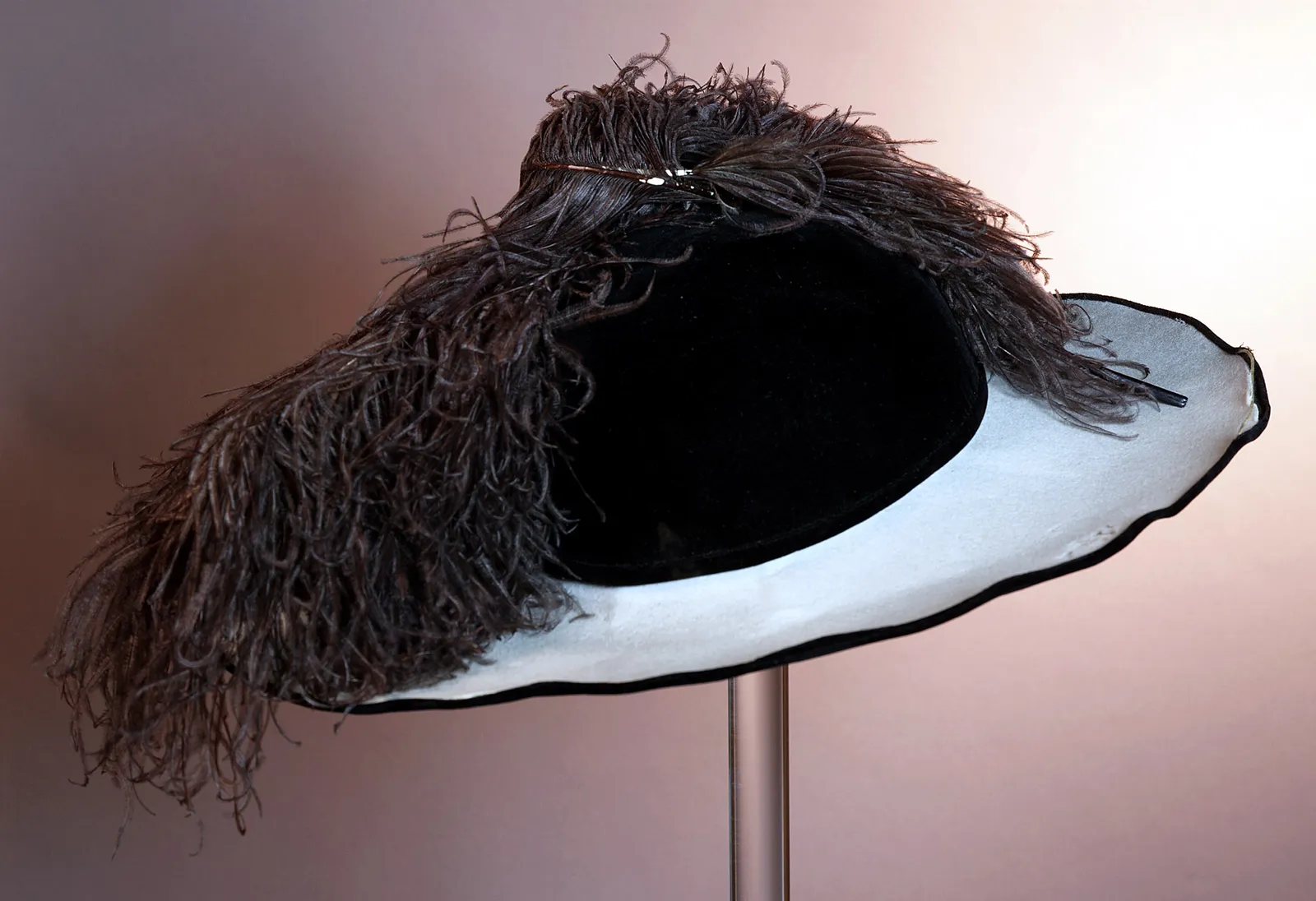
Ostrich feathers have been a fashion commodity for a long time, and the trade has always moved with taste. According to the chamber's own history, ostrich feathers were the Union of South Africa's fourth-largest export in 1913, after gold, diamonds and wool, when the plumes on Edwardian hats paid for the "feather palaces" of Oudtshoorn. Then the First World War and the motor car, which made towering hats impractical, ended the boom. The number of farmed birds fell from about one million to 23,000 by 1930, and the industry only recovered when ostrich leather found a market in the 1940s.
The new argument is about what replaces fur. As fur has disappeared from mainstream luxury, the report says, ostrich feathers have increasingly been used as a fur substitute in luxury and fast fashion alike. That is why campaigners now treat feathers as the next front, and why retailer policies matter. Selfridges has sold only feathers from the by-products of poultry production, from geese, ducks, turkeys and chickens, since 2022, its published commitment says. Among fashion weeks, the report says, Melbourne Fashion Week introduced the first full wildlife-friendly policy in 2024, covering ostrich feathers, and Copenhagen Fashion Week followed with a similar policy in 2025. It also points out that some houses that have banned exotic skins, including ostrich leather, have not banned the feathers; it names Chanel as one.

Our view
The commercial cost of this ban is likely to be modest. Ostrich feathers appear on a small share of what a luxury website sells: an evening dress here, a pair of slippers or a trimmed jacket there. The signal is larger. A retailer that buys from almost every major house has decided that conditions, traceability and certification are not enough for this material, and it reached that conclusion within six months of writing those very conditions into its own policy.
For brands, that matters in practical terms. A collection designed today with ostrich-feather trims will reach the market around the time LuxExperience stops buying them, which shrinks the number of places such a piece can be sold online. As with fur, the decisions that move the market are often made not on the runway but in buying offices and policy documents. The real test is whether the department stores and other online retailers that still sell ostrich feathers follow, and whether the houses that supply them decide to change before they are asked.
For more on how materials are changing at the top of the market, see our reports on Hermès and its leather goods and on the Circulose textile recycling plant restarting in Sweden.
Frequently asked questions
Which stores are affected by the LuxExperience ostrich feather ban?
All four LuxExperience stores: Mytheresa, Net-a-Porter, Mr Porter and Yoox.
When does the ban take effect?
The group will stop buying products with ostrich feathers from the Autumn/Winter 2027 season, and existing stock will be phased out by the end of 2028.
Does the ban cover all feathers?
No. According to the group's policy, the stores will continue to sell duck and goose down and feathers from turkeys and roosters.
Why are ostrich feathers controversial?
Animal welfare groups say feathers cannot be harvested from live ostriches humanely, citing a 2026 investigation in South Africa that reported live plucking and the removal of cut quills with pliers. Farmers say feathers are harvested when ripe and that the process is painless.
Have other retailers banned ostrich feathers?
Yes. Selfridges has sold only poultry by-product feathers since 2022, and some fashion weeks, including Melbourne and Copenhagen, have policies that cover ostrich feathers.
Featured image: Bernard Dupont, CC BY-SA 2.0, via Wikimedia Commons. Cropped for this page; the cropped version is shared under the same CC BY-SA 2.0 licence.
