
The hardest part of cutting fashion's emissions does not happen in a design studio or on a shop floor. It happens in dyehouses, spinning mills and sewing factories, most of them in Asia, and most of them too small to borrow cheaply for a new boiler or a solar roof. On Tuesday 10 November, the World Bank's private-sector arm and a group of development banks, joined by Zara owner Inditex, launched a fund built to close that gap.
The Decarbonisation of Textile, Apparel and Footwear Suppliers Fund, known as D-TAFS, aims to raise up to $400 million and lend it to manufacturers in emerging markets. It was launched by the International Finance Corporation (IFC) and Social Investment Managers & Advisors (SIMA), a US impact investment manager, and it arrives in the middle of a UN climate conference at which, as WWD put it this week, fashion has barely shown up.
What the fund will do
The IFC has committed up to $60 million and Inditex up to $50 million, making them the main public and private investors, according to FashionUnited and The Business of Fashion. The Dutch development bank FMO said on 11 November that it had also committed $50 million. France's Proparco, British International Investment, the Global Environment Facility and the Apparel Impact Institute (Aii) are among the other backers. The first close is expected at $225 million, with later rounds planned to reach the $400 million target.
The money will go out as long-term loans on preferential terms, combined with technical help, mainly to small and medium-sized suppliers in Asia, the Middle East, North Africa and Latin America. FashionUnited reports that D-TAFS is split into two sub-funds: one lends directly to textile and apparel manufacturers, the other to energy service companies and energy developers that work with those factories. Eligible projects include renewable energy, replacing machinery and boilers, process improvements, water reuse and wastewater treatment, and better chemical management.
Borrowers must submit a structured plan setting out a factory's needs, investments and environmental targets, and progress will be reported every four months, FashionUnited adds.

Why suppliers need it
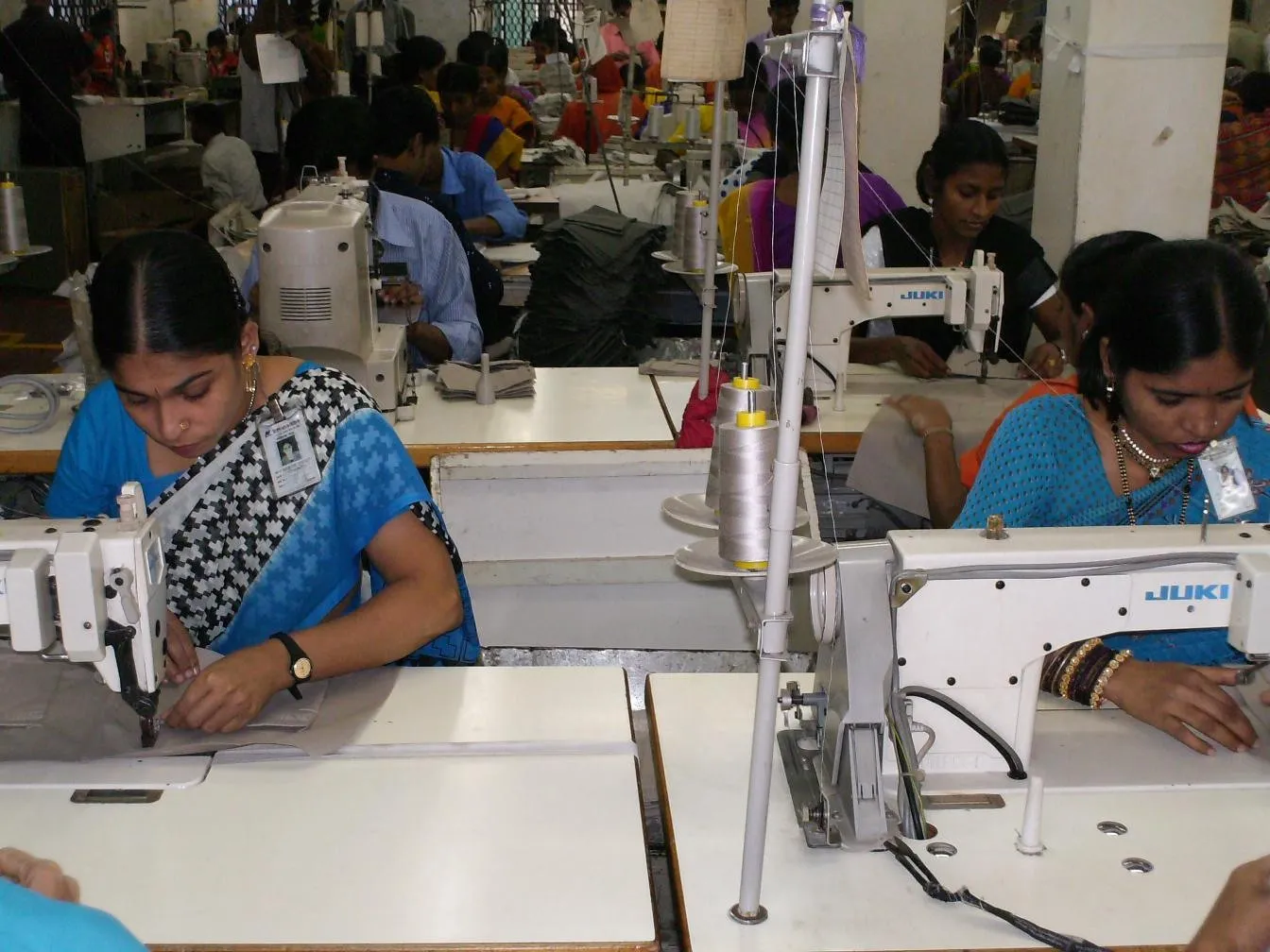
FMO estimates that the textile, apparel and footwear industry accounts for roughly 8% to 10% of global greenhouse gas emissions. FMO says the fund will direct finance to the manufacturing hubs in Asia, Africa, the Middle East and Latin America where most of the industry's production takes place, which is why brands' climate targets depend on factories they do not own. Many small and medium-sized suppliers, it adds, struggle to raise the money needed to cut their impact.
"At Inditex, we have been working for more than two years with our suppliers to understand their factories' needs and develop tailored transformation plans through independent engineering consultancy," Inditex's chief executive, Óscar García Maceiras, said, as quoted by WWD. "D-TAFS can help take the next step: turning already identified improvements into investments and measurable results and enabling the transformation of the industry."
SIMA's fund manager for D-TAFS, Jeremy Levin, made the same point from the lender's side. "Availability of capital alone does not get these projects built," he said in FMO's announcement. A supplier, he added, may have a strong case for replacing a boiler and still need help sizing the loan and convincing its own decision-makers.

Fashion's thin presence in Antalya
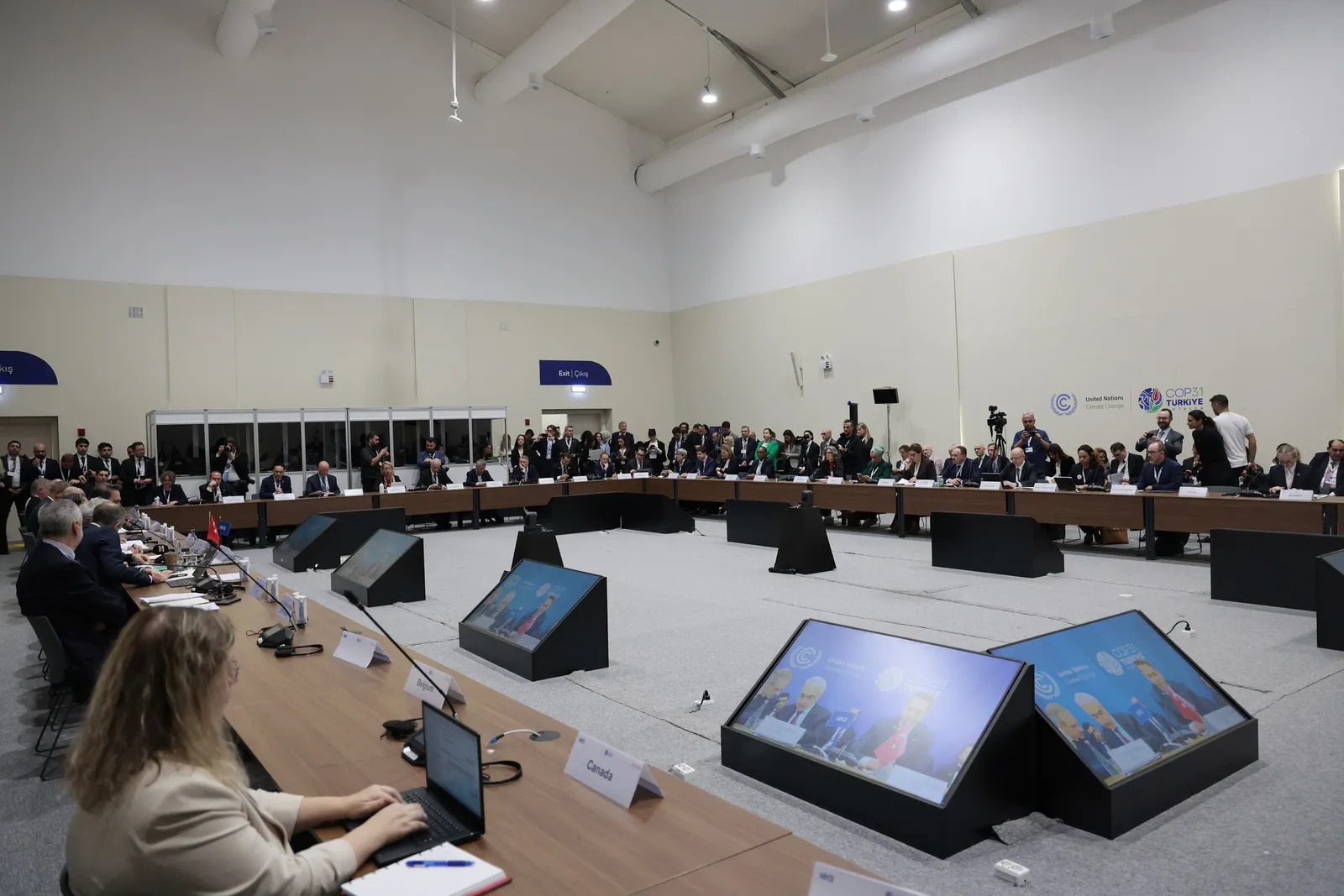
The timing is pointed. In a report published on 11 November, WWD found that fashion as a bloc has largely sat out the UN climate conference since 2024, and that there will be no equivalent this year to Stella McCartney's materials exhibition at COP26 or the target consultation run by Global Fashion Agenda and the UN Environment Programme at COP27. A handful of sessions remain, including talks hosted by Canopy and the Fair Labor Association and a WRAP panel on exported textile waste.
Lewis Perkins, president of Aii, told WWD that travel budgets are tight and that companies prefer focused industry meetings. "If companies are going to send people, they want to be in the rooms where they're talking about the types of technology or investment that are actually relevant to what they're trying to achieve," he said. Nicole Rycroft, founder of Canopy, called the thin presence a "missed opportunity", given Turkey's importance to apparel supply chains.
Rachel Kitchin of the campaign group Stand.earth was blunter about the UN's Fashion Industry Charter for Climate Action. "It's frankly concerning to see how quiet the once-ambitious charter has become," she told WWD.


The size of the gap
D-TAFS is not the first attempt. Aii launched a $250 million Fashion Climate Fund in 2022 with the aim of unlocking up to $2 billion in further capital, but The Business of Fashion reports that only 9.41% of that goal has been reached so far, according to Aii's latest impact report. In 2024, Inditex set up a separate €50 million venture fund for startups working on lower-impact materials and technologies.
The need is far larger. Aii estimates that cutting the industry's emissions will require $1 trillion by 2050, and that fashion's climate footprint grew 14% between 2022 and 2024, driven mainly by virgin polyester, WWD reports. The Business of Fashion notes that while H&M and Kering have cut emissions by more than a third, most of fashion's biggest brands are behind the schedules they set themselves.
A few hundred million dollars in supplier loans will not change that on its own. What makes D-TAFS worth watching is its structure: a fashion brand putting its own money alongside development banks, lending directly into the factories that make its clothes and reporting the results. If the first projects show measurable cuts, it offers a model other brands could follow, whether or not they send anyone to the next COP.
Featured image: Nemigo, Public domain, via Wikimedia Commons. Cropped for this page.
