
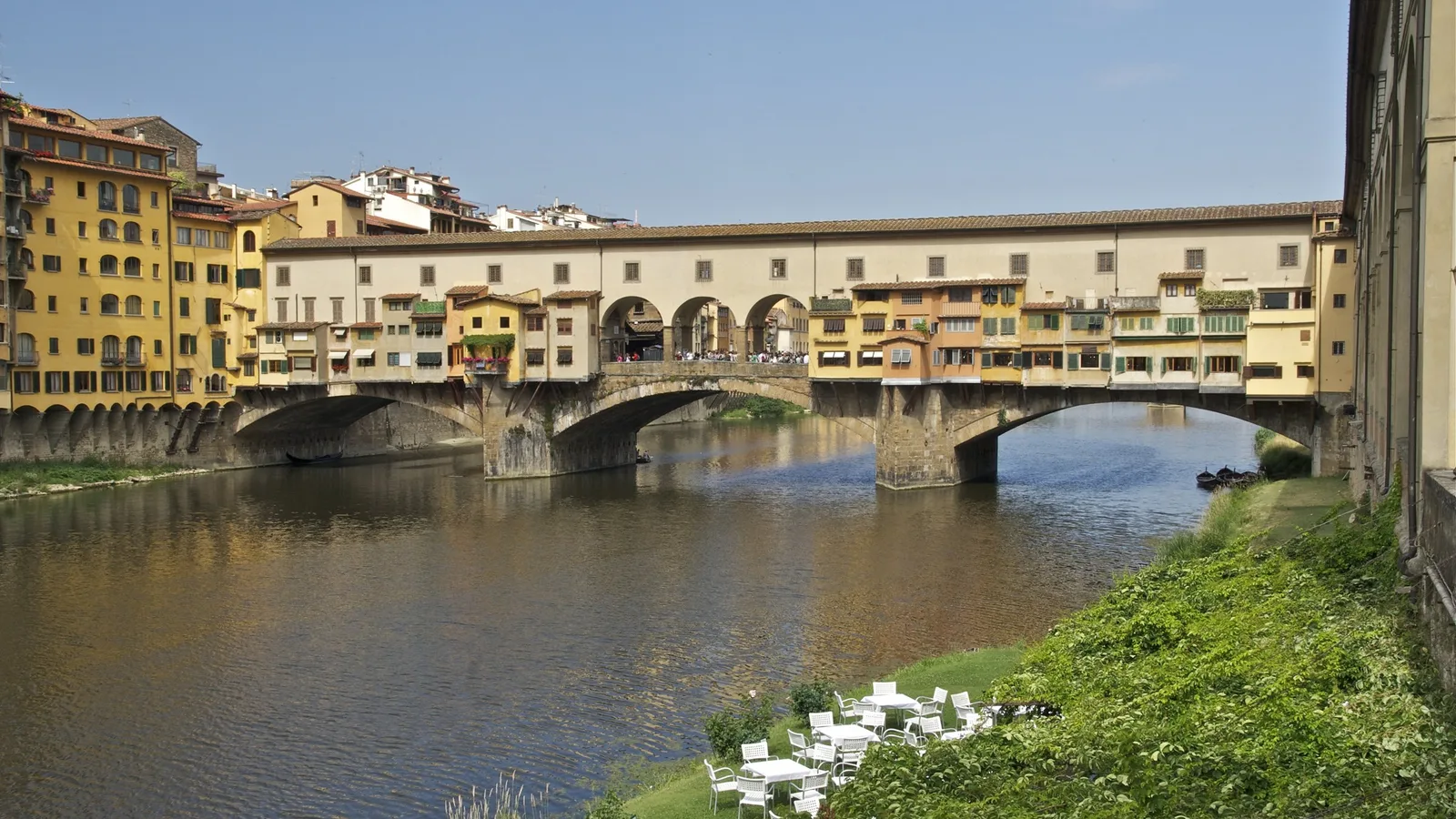
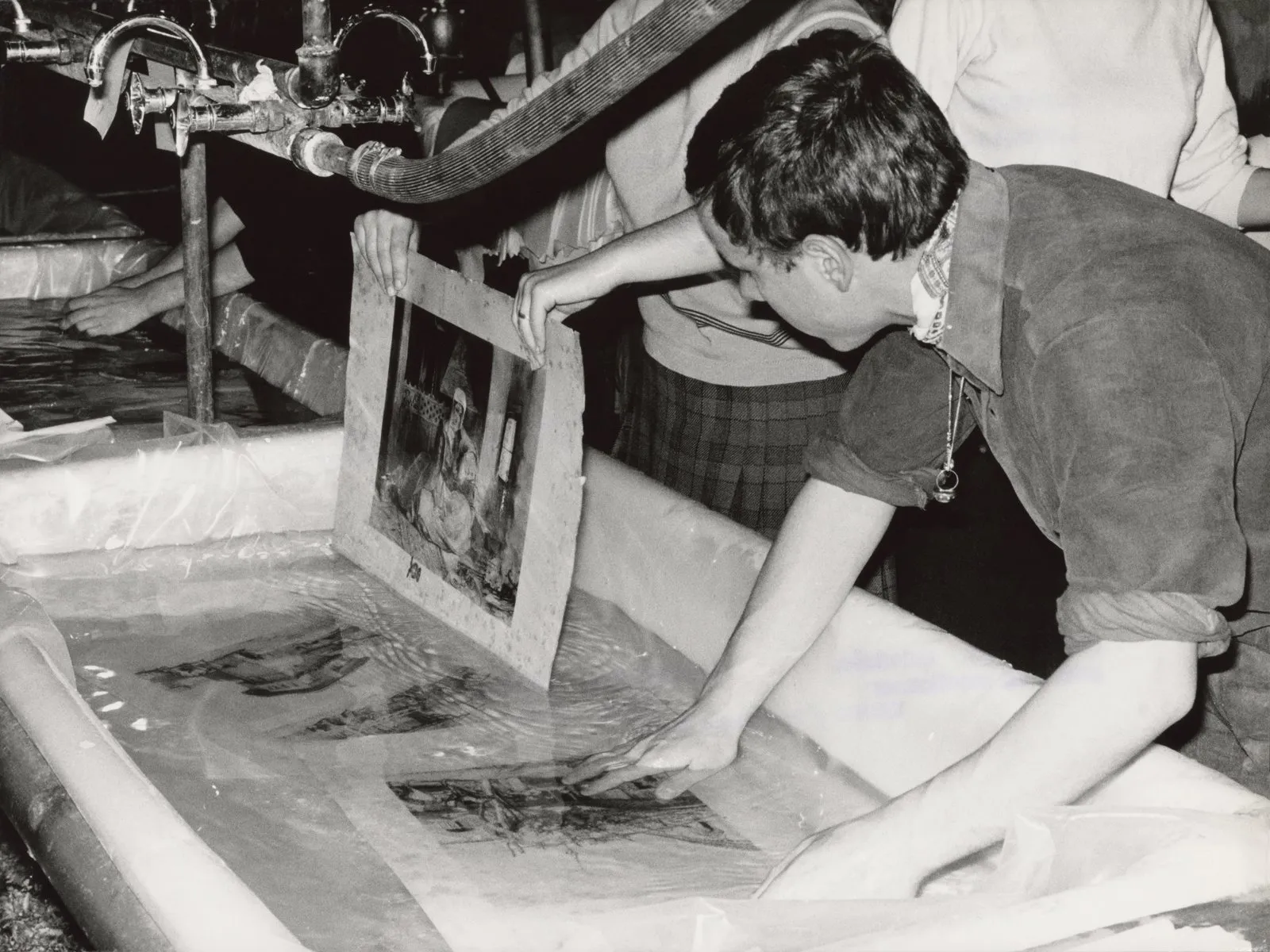
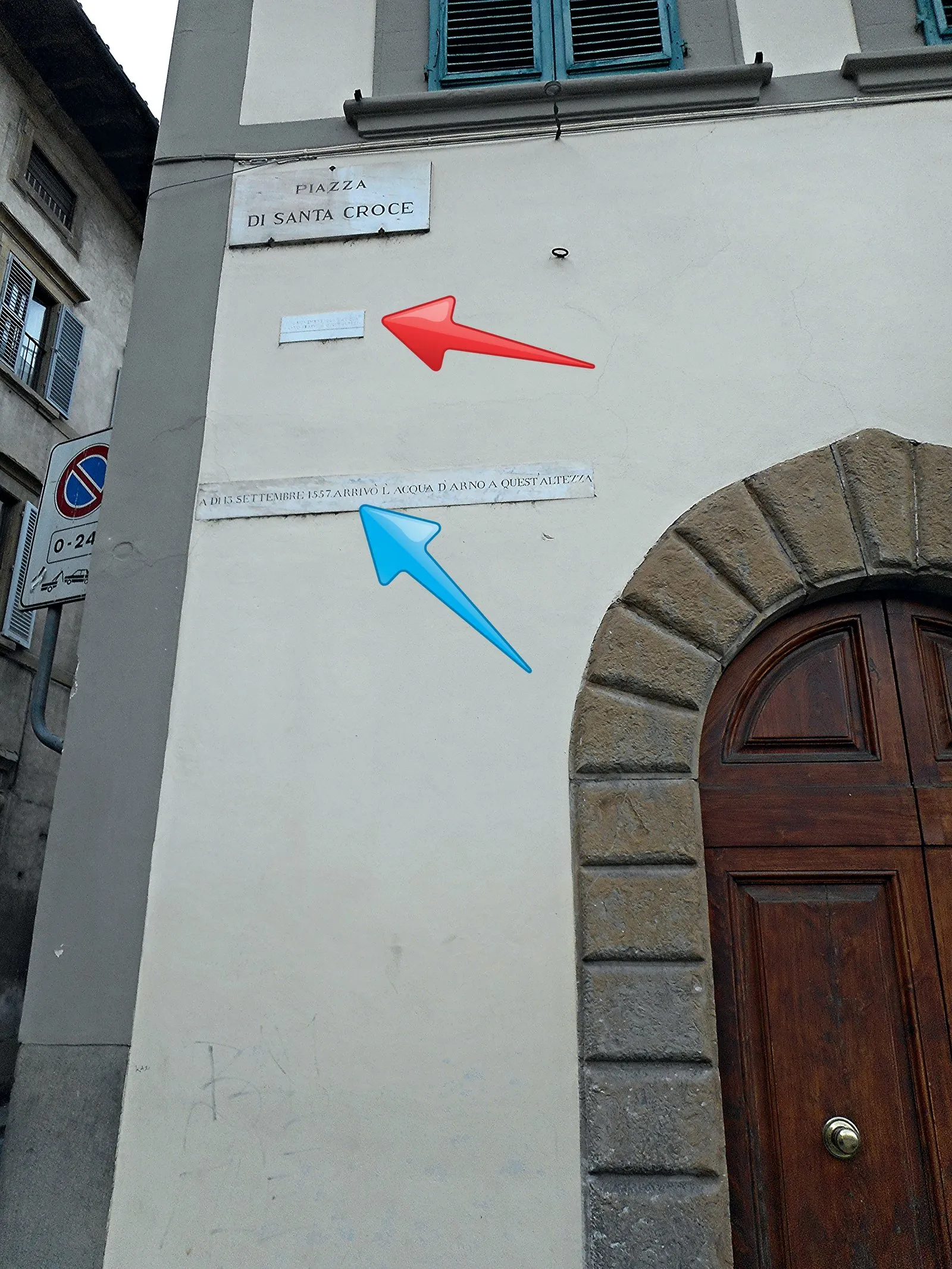
Sixty years ago this week, on 4 November 1966, the Arno burst its banks and flooded Florence. As Vogue Business recalls, it was the most destructive flood the city had known: dozens of people died, thousands were displaced, and millions of rare books and works of art were damaged or lost.
On Monday, two days before the anniversary, a group of luxury companies gathered at Palazzo Medici Riccardi in Florence to make the case that the river is now a business risk as well as a historic one. The Water Resilience Lab – Arno Basin, initiated by Kering, Conservation International and the environmental consultancy Etifor, was presented as part of the city's official programme marking the anniversary. Its most striking feature is the company it keeps: LVMH is the first business to join at the highest level, alongside Burberry, the fragrance house Giardini di Toscana and the precious-metals refiner Italpreziosi.

Why fashion cares about one Italian river
The Arno Basin is not a symbolic choice. It is home to some of Italy's most important manufacturing districts for leather goods, textiles, accessories and jewellery, and to many of the suppliers that houses such as Gucci, Bottega Veneta and Saint Laurent depend on. "Most of fashion's strategic raw materials rely on water," Marie-Claire Daveu, Kering's chief sustainability and institutional affairs officer, told Vogue Business. That applies not only to growing natural fibres such as wool, cotton and leather, but also to washing, dyeing and tanning.
The numbers in the Lab's launch material explain the urgency:
- €1.89 billion: the estimated damage from the floods that hit Tuscany in 2023, according to the regional economic institute IRPET.
- More than 50 days a year: the heat stress that Tuscany is expected to face by 2030.
- 48 million cubic metres: the amount of water that analysis for the Lab says would need to be retained in the basin to reduce the impact of floods.
- About €157: the estimated flood damage avoided for every cubic metre of water retained.
Etifor, a spin-off of the University of Padua, puts the national picture more bluntly. "We know that 94.5% of Italian municipalities are exposed to landslides, floods, or coastal erosion, and that over 640,000 production facilities are located in flood-risk areas," said its chief executive, Alessandro Leonardi.
A supplier's flood
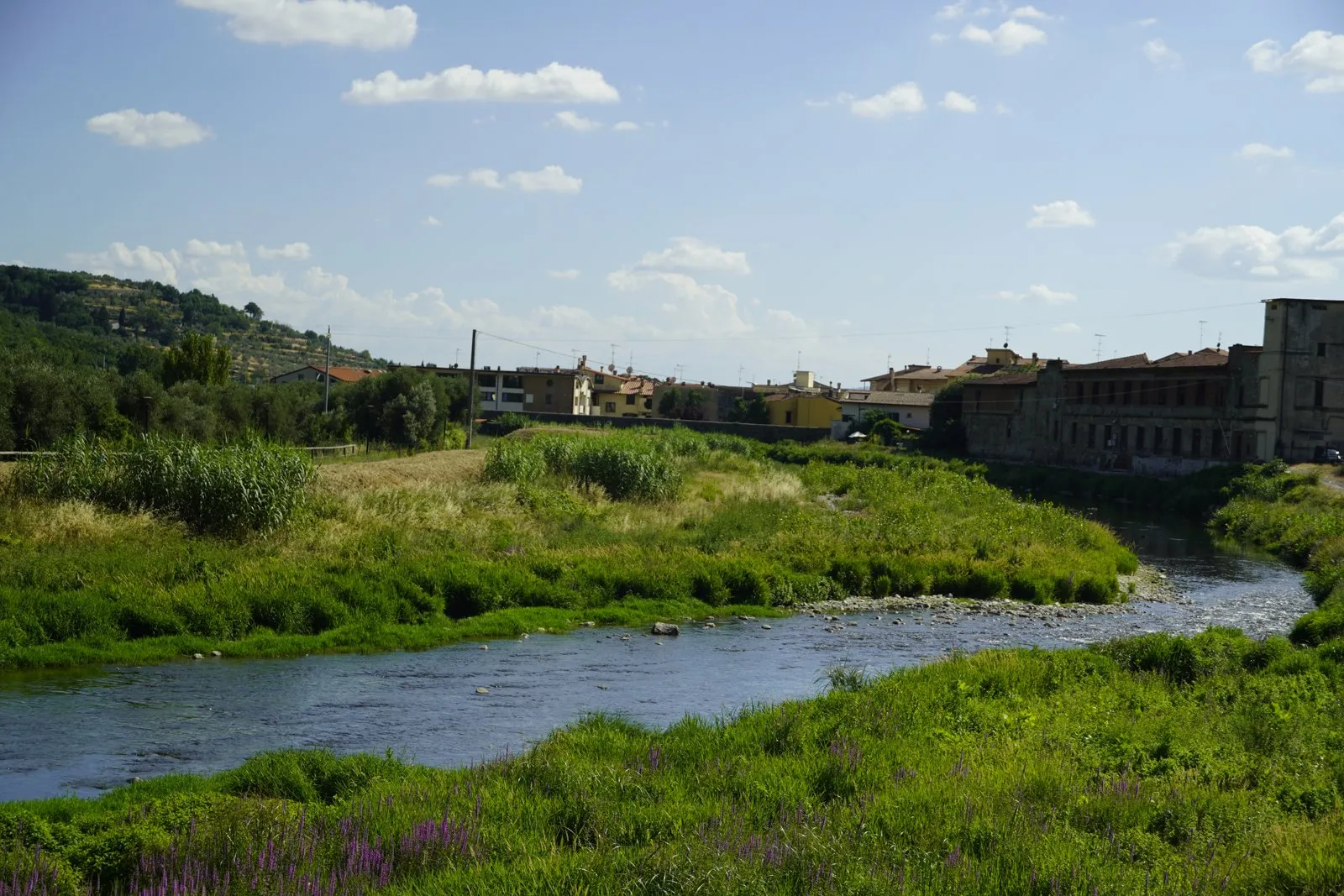
Vogue Business traces the Lab's origins to a single supplier. When Storm Ciarán struck in November 2023, the Prato-based textile company Beste Group, whose headquarters sits on the bank of the Bisenzio river, lost a newly bought machine worth around €7 million. It was insured for only 60% of its value, and the waist-high water stopped production for three weeks. Reading about those losses, Kering's head of sustainable sourcing and nature initiatives, Rachel Kolbe Semhoun, began work on what became the group's water strategy.
"They had done everything right inside the factory, but they were still flooded," she told the publication. "It was a great example of how nobody can make resilience happen by themselves."
That strategy, published in April 2025, commits Kering to becoming "net water-positive" by 2050, with measured positive impact in ten priority basins by 2035. The Arno is the first of those basins to get a Lab. The others named by Vogue Business are in France, Spain, Türkiye, Mongolia, India, Peru, Argentina, South Africa and Australia.
What the Lab will actually do
According to the launch announcement, the roadmap was built from a 2025 scientific analysis by Etifor and the University of Florence's DAGRI and DICEA departments. It takes a "Nexus" approach that treats water, nature, climate and society as connected. Vogue Business describes three pillars:
1. Governance: structures that let regulators, businesses, scientists and local communities all have a say. 2. Finance: a model that rewards change without depending on philanthropy. 3. Projects: a portfolio of nature-based and industrial projects, each with its own business case.
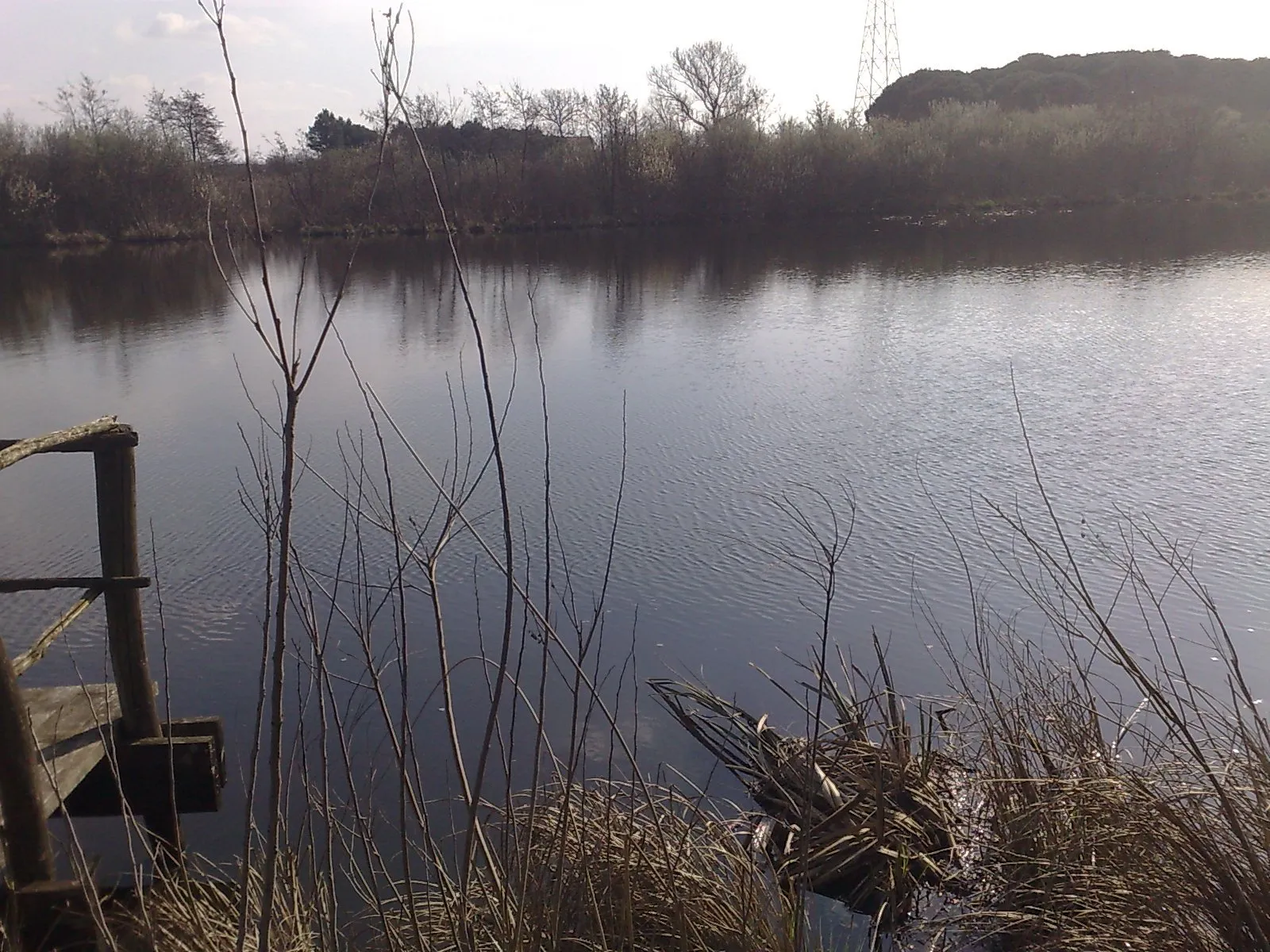
The first cohort of nature-based restoration projects covers six hotspots: Villa Petriolo, Ombrone/Bisenzio, Altopascio/Lake Sibolla, Pisa/Era Basin, Usciana/Pescia River and Arezzo/Chiana Valley. Kering says work has already started on the ground. Results will be measured using established methods, including Volumetric Water Benefit Accounting and the Science Based Targets Network framework for nature.

The partner list goes well beyond fashion. Alongside the founding members, the insurer Assicurazioni Generali, the lift maker KONE and Mosaiq Group are among the companies providing co-funding on the ground. Global Fashion Agenda is supporting with knowledge sharing. The Northern Apennines District Basin Authority, regional and city governments, and land-reclamation bodies attended the launch. The announcement did not include a budget figure for the Lab.
Beyond philanthropy
The most interesting argument is about money. Until now, Daveu told Vogue Business, investment in water resilience has mostly come from philanthropic foundations, with projects developed in silos. "Philanthropy will never be enough to support the needed investments for real resilience," she said. In Kering's own announcement, she presented the Lab as "a strategic investment to help ensure the continuity and resilience of our value chain", adding: "Our ambition is to make the Arno a leading example that can be replicated globally."
LVMH's Hélène Valade said the initiative "directly echoes the ambitions of our LIFE 360 environmental strategy". Federica Marchionni, chief executive of Global Fashion Agenda, put it simply: "The resilience of our industry is inseparable from the resilience of the river and the communities that depend on it." Gaia Checcucci, secretary general of the basin authority, argued that "water stewardship should not be regarded as a constraint on the productive system, but rather as a strategic infrastructure for economic development."
Why it matters
Luxury's sustainability efforts have often been criticised as brand-by-brand gestures. Here, three of the industry's biggest names have signed up to a single, science-led plan for a shared supply region, and Kering has done so while, as its latest results show, the turnaround at Gucci is still under way. It also fits a wider shift in which regulation, such as the EU ban on destroying unsold clothing, is pushing environmental issues into core business planning.
The test now is whether the Lab can do what Daveu says it must: prove a return on investment that brings in investors rather than donors. If it can, the Arno model is meant to be rolled out to nine more basins. Six decades after the water rose in Santa Croce, Florence is once again a laboratory for how a city and its industries prepare for floods.
Featured image: Jebulon, CC0 1.0, via Wikimedia Commons. Cropped for this page.
