
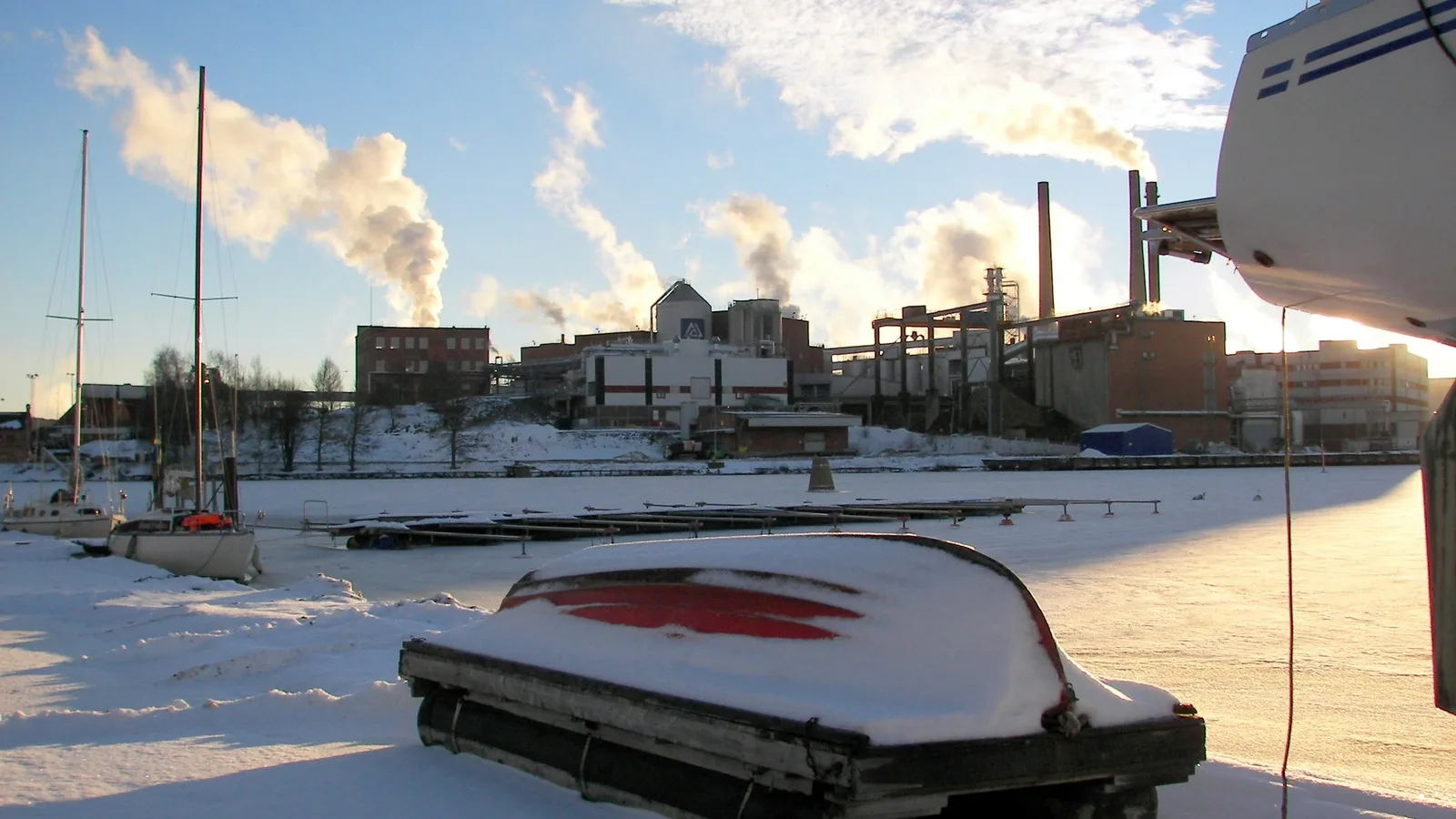
For most of fashion's recycling story, the hard part has been the last step: turning a worn-out garment back into fibre good enough for a new one. On 10 November, the company that built the largest attempt at doing that at industrial scale said its plant was running again.
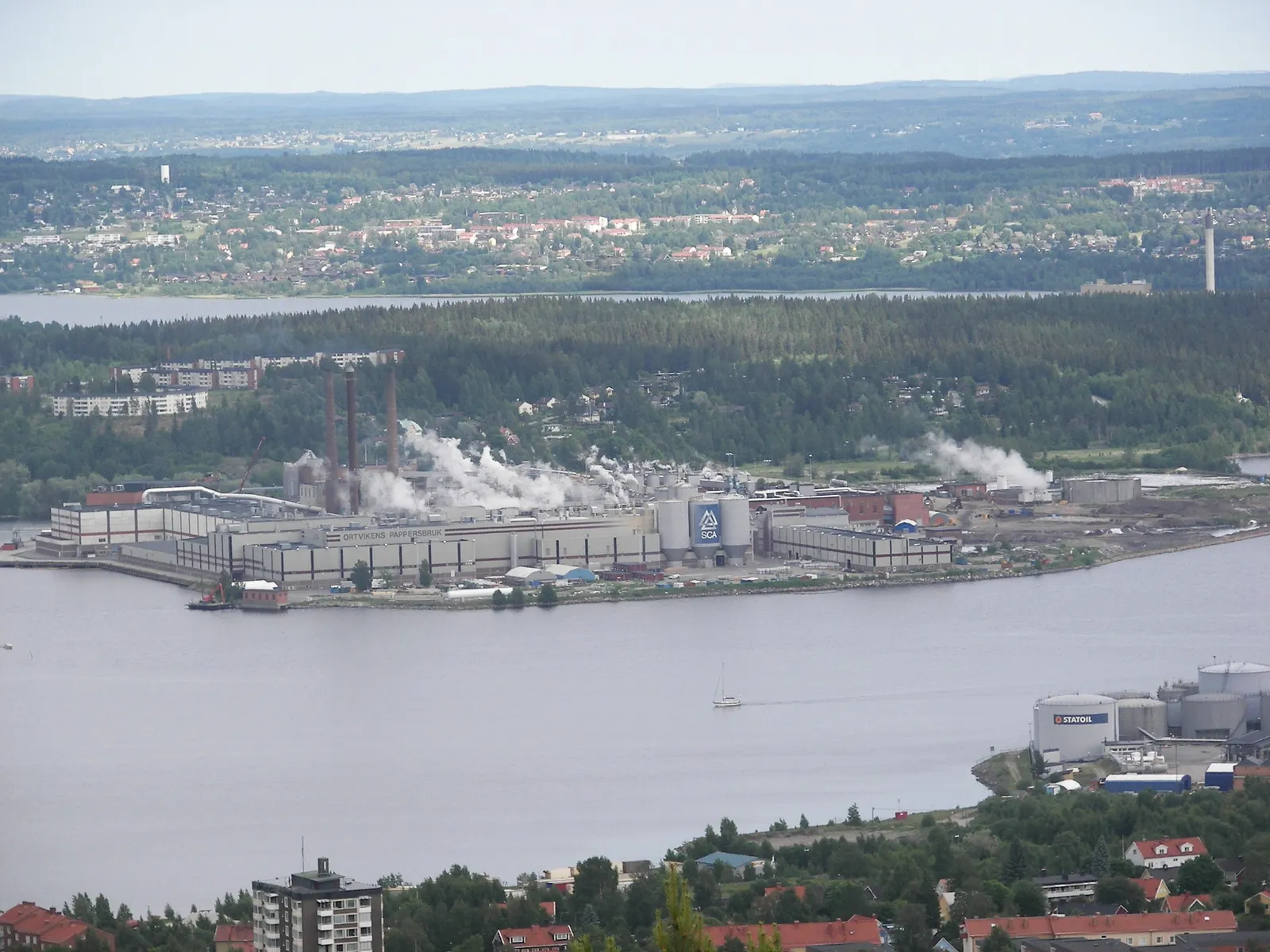
Circulose, the Swedish business formerly known as Renewcell, announced that it had restarted commercial-scale production at Ortviken, in Sundsvall, the plant that turns discarded cotton textiles into a recycled pulp for viscose and lyocell. The company describes it as the world's first commercial-scale chemical textile recycling facility. The restart comes two and a half years after Renewcell went bankrupt, and with a change at the top: chief executive Jonatan Janmark is stepping down, and the chief financial officer, Amanda Geijer, becomes interim CEO on 1 December.
The key facts
- What: commercial-scale production restarted at Circulose's Ortviken plant in Sundsvall, Sweden, announced on 10 November 2026
- The product: CIRCULOSE, a dissolving pulp made from discarded cotton-rich textiles, which fibre producers turn into viscose and lyocell
- Demand: volume commitments from 16 brands, "and more on the way", according to the company; around 130 employees
- Capacity: an annual capacity of 60,000 tonnes, which FashionNetwork reports could be doubled through future expansion
- Owner: the Swedish private equity firm Altor, which bought Renewcell's remaining assets in June 2024
- Leadership: Amanda Geijer, CFO since 2025, becomes interim CEO on 1 December, supported by executive chair Helena Helmersson, a former chief executive of H&M Group
From paper mill to textile recycler
The location is part of the story. Ortviken was for decades a paper mill owned by the forest group SCA. On 20 January 2021, SCA said, the last roll of paper came off its paper machine 5, a line that had started in 1985 and could make 255,000 tonnes of publication paper a year. The machine was then dismantled to make room for Renewcell.
The builder Peab, which converted the hall, described the project as a paper-machine building recycled into a textile-recycling plant: new foundations and a new machine line, 38-metre chemical tanks and a new process-chemicals building, while much of the existing infrastructure was reused, because making the new pulp has many similarities with pulp production.

How Renewcell failed
Renewcell was founded in 2012 by innovators from Stockholm's KTH Royal Institute of Technology, according to Altor. It listed on Nasdaq First North in November 2020 at SEK 76 a share and opened Ortviken in 2022. Its pulp was piloted by brands including Ganni, Levi's, PVH and Zara, Vogue Business reported, and H&M was among its largest shareholders.
What it lacked was enough buyers committed to enough volume. By October 2023 the shares had fallen 77 per cent from the offer price. A strategic review announced that November could not be completed, and on 26 February 2024 the company was declared bankrupt, having failed, in its own words at the time, to secure sufficient financing despite "well-advanced negotiations" with shareholders, as Vogue Business reported. In June 2024 the receiver agreed to transfer the Ortviken business to Altor, keeping the plant and the patented technology together. The company took the name of its product, Circulose.
What is different this time
The new owners reversed the order of operations. Instead of building capacity and then looking for customers, Circulose set out to secure volume commitments from brands first, and to restart only when they were in place. In February 2026 it said it would resume production in the fourth quarter, with commitments from 11 brands and supply agreements with three fibre producers, Tangshan Sanyou, Aditya Birla and Jilin Chemicals, which turn the pulp into fibre. Until the restart, orders were filled from stock Renewcell had made before the bankruptcy.
FashionUnited reported at the time that the company had abandoned open-market sales in favour of a partner-led model. The brands named then included Bestseller, John Lewis, C&A, Filippa K, Reformation, Faherty, Bobo Choses and Zero, alongside earlier partners H&M Group, Mango and Marks & Spencer. By November, the total had reached 16.
"Our focus has been to align the production restart with confirmed demand. With commitments from 16 brands, and more on the way, we are now there," Helena Helmersson, Circulose's executive chair, said in the 10 November announcement.

The largest commitment so far is public. In June 2025, H&M Group signed a multi-year agreement to source significant volumes of CIRCULOSE for its collections, "replacing a substantial share of the virgin viscose used across the group", and said that investing in next-generation materials was essential to its goal of making all its materials recycled or sustainably sourced by 2030. Janmark said at the time that the commitment played a critical role in reaching the volumes needed to restart the factory.
A handover at the top
Janmark, a former McKinsey partner who became chief executive in late 2024, according to FashionUnited, will hand over on 1 December. "With confirmed market demand for our product, a strong team in place, and a plant ready for production, the time has come for me to hand over," he said. "When Jonatan joined, Circulose had just been given a second chance," Helmersson said.
His successor knows the plant's industrial setting. Geijer joined as CFO in 2025 from Billerud Europe, where she was vice president of finance, and earlier worked at Essity and the SCA Group, FashionNetwork reported. She will serve until a permanent CEO is appointed. "Restarting Ortviken is a milestone for Circulose and for the industry. Our focus now is to ramp up production safely and deliver on the commitments to our customers," she said.
Why it matters beyond Sweden
Turning old clothes back into fibre for new clothes, at volume, is where the industry has struggled. That is why a working textile-to-textile plant matters. Ortviken's input is discarded textiles, and its output goes into the cellulosic fibres, viscose and lyocell, that brands already buy in large quantities.
Regulation is moving in the same direction. The revised EU Waste Framework Directive, in force since 16 October 2025, requires every member state to set up extended producer responsibility schemes for textiles and footwear within 30 months. Producers will pay a fee for each product they place on the market to fund collection, sorting, reuse and recycling, with fees adjusted for criteria such as durability and recyclability. The European Commission puts EU textile waste at about 12.6 million tonnes in 2019, of which only a fifth was collected separately for reuse or recycling.
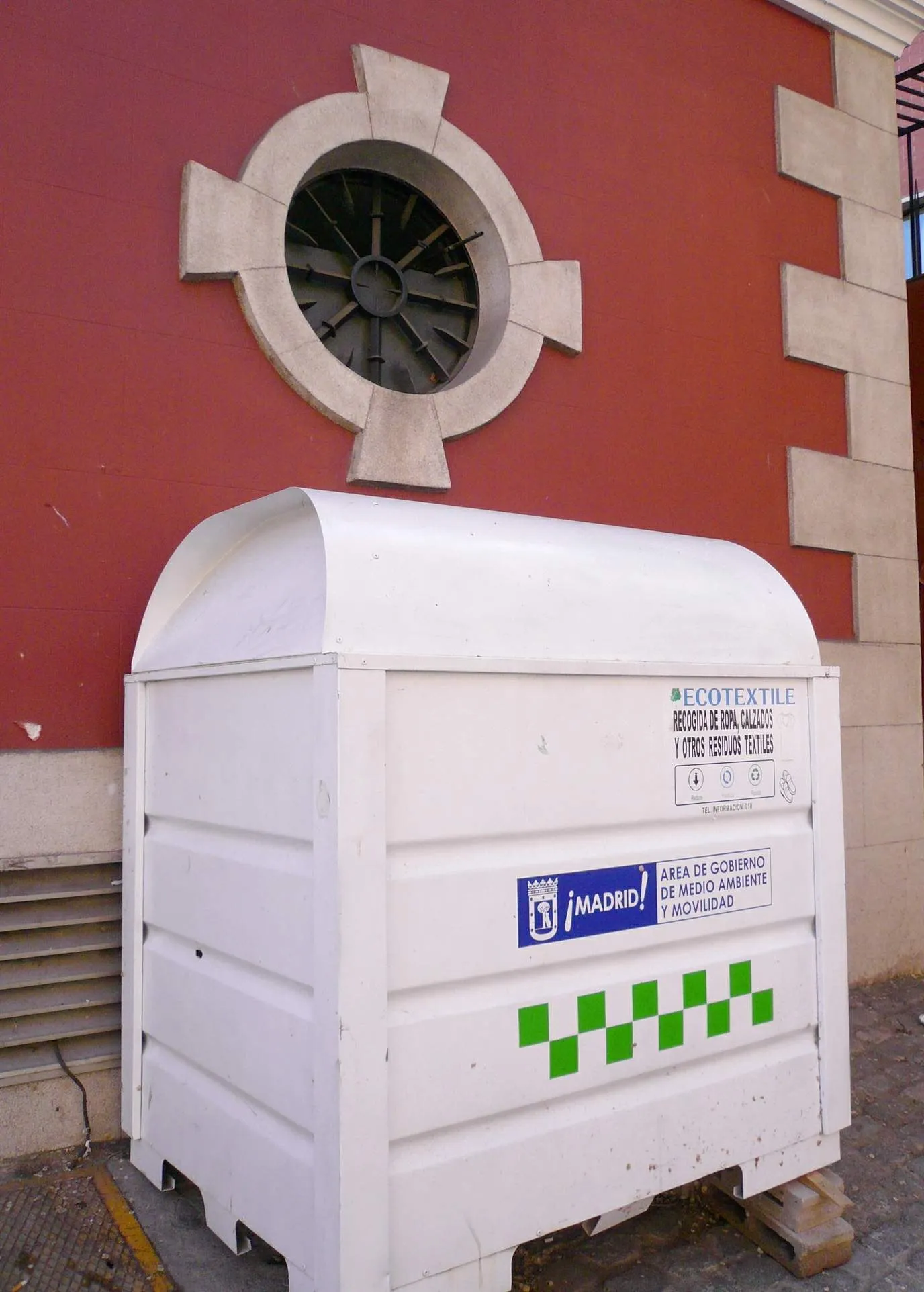

Producer-funded collection and sorting could, in time, make more feedstock available. Whether there are enough buyers for what comes out the other end is the question Renewcell could not answer, and it is the one Circulose's 16 contracts are meant to answer. For other recent shifts in fashion's rulebook, see our explainers on California's SB 707 and France's ultra-fast-fashion law, and on the Inditex-backed supplier decarbonisation fund.
What to watch
The next tests are practical: how quickly Ortviken ramps up towards its stated capacity, whether more brands sign volume contracts, and who is appointed permanent chief executive. The company's own stated priority, in Geijer's words, is to ramp up "safely" and deliver what it has promised.
Frequently asked questions
What is Circulose?
Circulose is a Swedish company, formerly Renewcell, that recycles discarded cotton-rich textiles into CIRCULOSE, a dissolving pulp. Fibre producers use the pulp to make viscose and lyocell, which are then spun, woven or knitted into new fabrics.
Why did Renewcell go bankrupt?
Renewcell was declared bankrupt on 26 February 2024 after failing to secure sufficient financing. Its plant had been built ahead of firm, large-volume demand from brands. The private equity firm Altor bought the remaining assets in June 2024.
Which brands buy Circulose?
The company says it has commitments from 16 brands. Those named publicly include H&M Group, Mango, Marks & Spencer, Bestseller, John Lewis, C&A, Filippa K, Reformation, Faherty, Bobo Choses and Zero.
Who runs Circulose now?
Amanda Geijer, the company's CFO, becomes interim chief executive on 1 December 2026, succeeding Jonatan Janmark, with Helena Helmersson as executive chair.
Featured image: Henrik Sendelbach, CC BY-SA 3.0, via Wikimedia Commons. Cropped for this page; the cropped version is shared under the same CC BY-SA 3.0 licence.
