
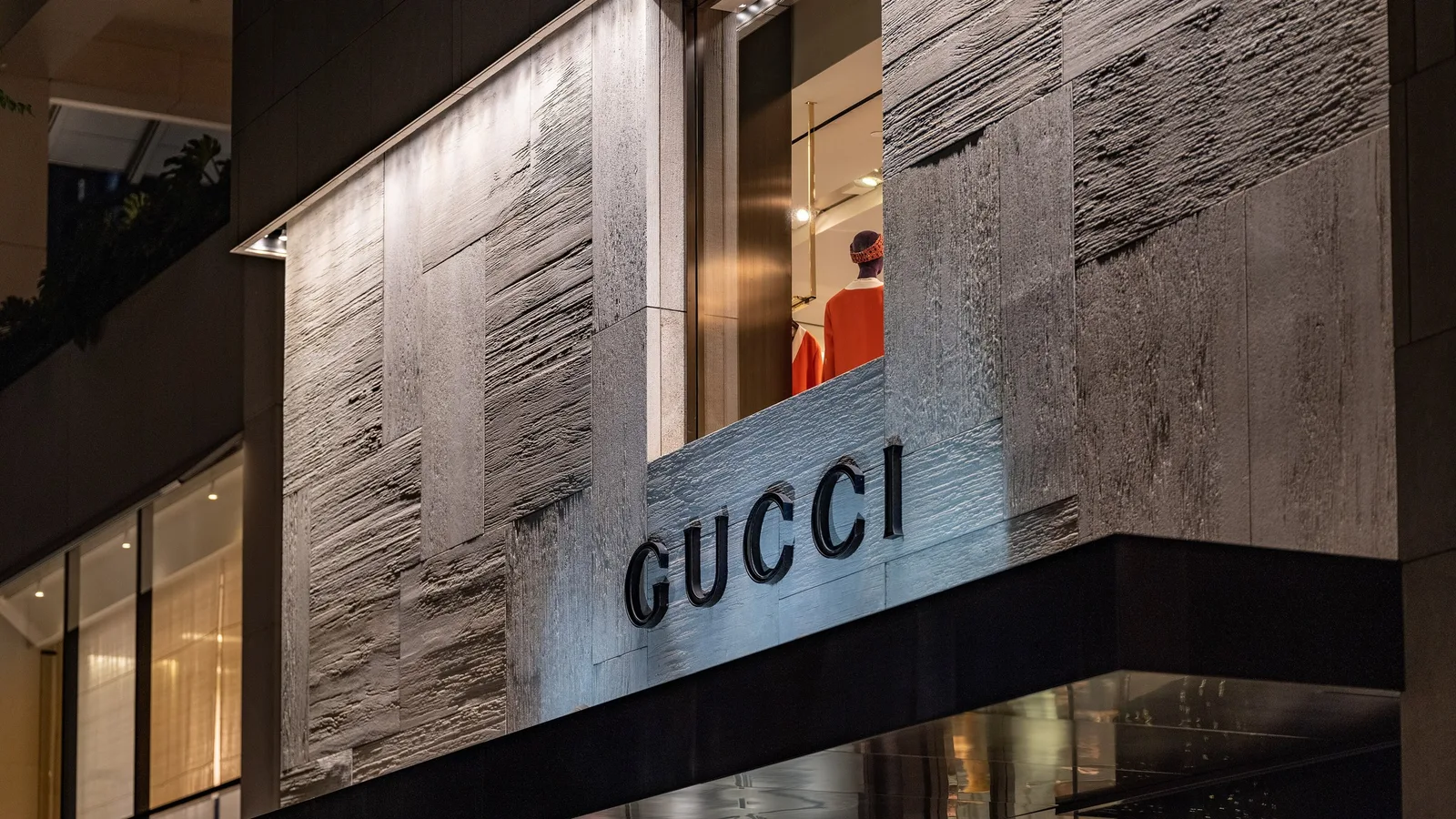
Luxury houses have long treated their price lists as a one-way street. Prices rose every year, sometimes twice, and the rises were part of the message: what you bought would never be cheaper. Gucci has now broken that rule. Over the summer, without an announcement, the Kering-owned house lowered prices on a range of handbags, shoes and ready-to-wear, The Wall Street Journal reported on 15 November.
The clearest example, flagged by the Bernstein analyst Luca Solca, is the small Padlock top-handle bag with crystals. It cost €3,500 in France in July and now costs €2,450, a cut of 30 per cent. The new figure is reportedly the regular price of a bag that remains in the range, not an end-of-season markdown, TheIndustry.fashion reported, citing the Journal.
The key facts
- What changed: unannounced price cuts at Gucci over the summer on selected handbags, footwear and ready-to-wear, reported by The Wall Street Journal on 15 November
- Example: the small crystal Padlock top-handle bag, down from €3,500 to €2,450 in France, a cut of 30 per cent
- Other reported cuts: the Mercato tote reportedly 20–25 per cent cheaper; several sneakers from €800 to between €560 and €595
- Entry points: 16 new handbag models on Gucci's US website within a $2,000 budget, according to the Journal's count
- Kering's framing: "targeted adjustments to improve perceived value, led by Handbags", within a reshaping of "product and price architecture"
- The context: Gucci's third-quarter revenue fell 6 per cent on a comparable basis to €1,291 million
What Gucci actually did
The cuts were not limited to one bag. Several sneakers that had cost €800 now cost between €560 and €595, and the Mercato tote is reported to be 20–25 per cent cheaper, according to TheIndustry.fashion. At the same time, Gucci has added cheaper new products rather than only repricing old ones: on its US website, a shopper with a $2,000 budget can now choose from 16 new handbag models, the Journal counted.
Kering has not presented the move as a discount strategy. Its third-quarter presentation, published on 22 October, refers to the "ongoing reshaping of product and price architecture, with targeted adjustments to improve perceived value, led by Handbags". The accompanying results statement said Gucci was "further refining its product and pricing architecture, enhancing quality and improving time to market".
On the results call, Kering's chief financial officer, Armelle Poulou, described the cuts as narrower than the headlines, according to a transcript published by Investing.com. They had been made on "a very limited number of SKUs", she said, seasonal pieces from the previous creative era that were not being reproduced, as part of clearing old stock. "We are not going through a repositioning in pricing of Gucci," she said, pointing to the Borsetto and Paparazzo bags, priced at around €3,000, as the kind of new product the house wants to sell.


Why Gucci moved first
The reason is in the numbers. Gucci recorded third-quarter revenue of €1,291 million, down 4 per cent as reported and 6 per cent on a comparable basis, and sales in its own stores fell 9 per cent. Traffic remained the main constraint, Kering said, particularly in mainland China and Japan, even as conversion, average price and average ticket improved. The Journal counts 13 consecutive quarters of falling sales at the house.
"The recovery of Gucci remains our defining priority," said Luca de Meo, Kering's chief executive, who joined from the car industry. Kering now plans at least 125 net store closures across the group this year, up from 100, and its outlook mentions only the objective of improving its recurring operating margin in 2026.
The customers Gucci needs most are the ones pulling back. According to Bernstein, as cited by TheIndustry.fashion, aspirational, upper-middle-income shoppers account for more than half of sales at both Gucci and Louis Vuitton. Bain & Company's luxury study, published on 18 November, estimates that the number of people buying personal luxury goods fell by 15 million this year, and describes a "value proposition gap in the middle of the pyramid". It also found that about three-quarters of first-half growth in the Americas came from higher prices; we look at the study in detail in our report on Bain's 2026 luxury market figures.
New prices, new rooms
Price is only one lever in Gucci's reset. Under creative director Demna, the house has introduced Primavera, a fashion-forward collection, and GucciCore, focused on the core wardrobe, which Kering said would begin to reach stores in November. It is also rolling out a new store concept, previewed in The Store Show in Milan on 25 September and first introduced at the refurbished Avenue Montaigne store in Paris.
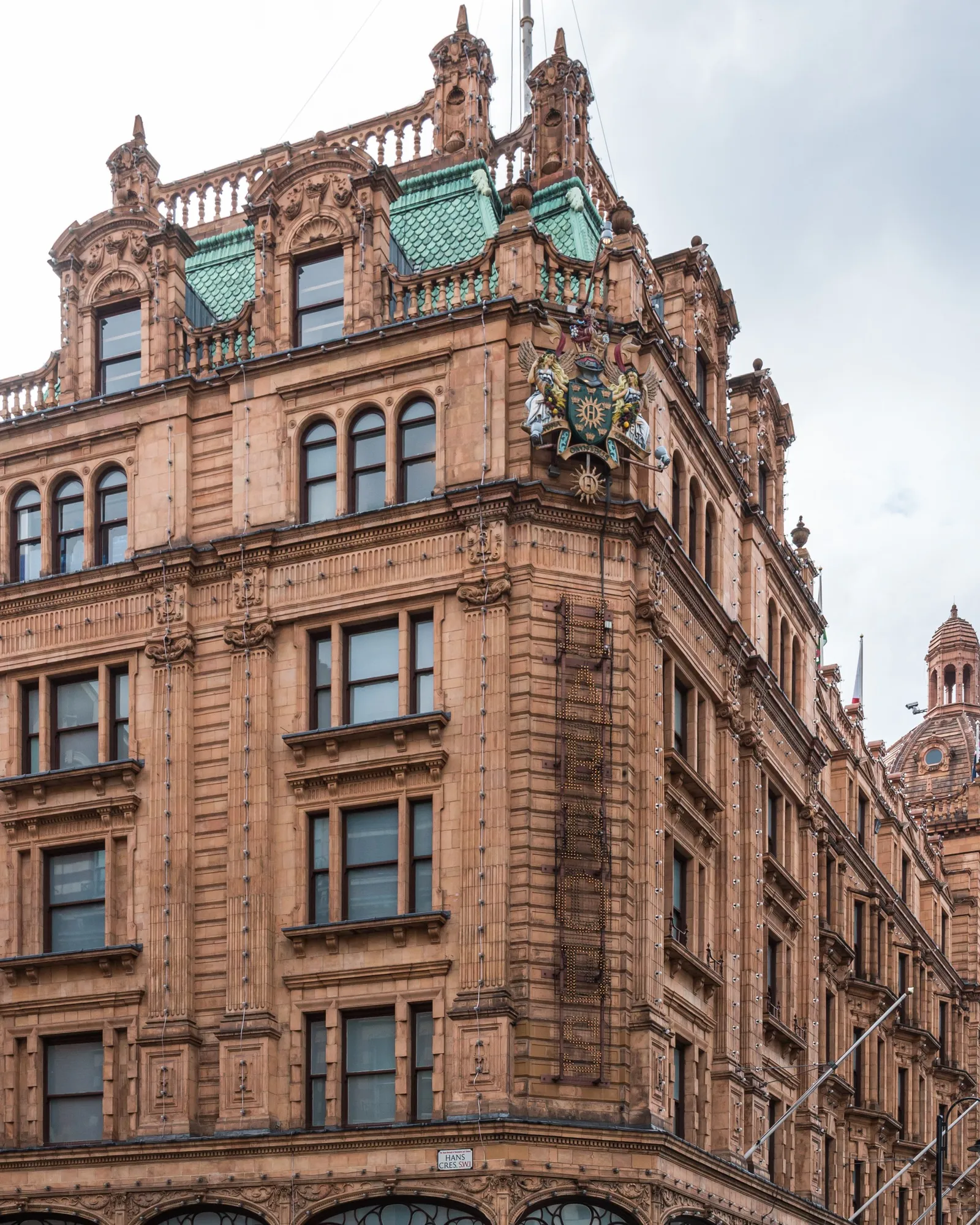
The concept has now reached the United Kingdom with Gucci's relocated womenswear boutique in Harrods, FashionNetwork reported: 109 square metres in the department store's Women's Superbrands area, in travertine, stone, walnut panelling and terrazzo, with a layout that Gucci says borrows its "spatial logic from the Italian Renaissance palazzo" and the Milanese Rationalism of the 1930s.

Louis Vuitton's dilemma
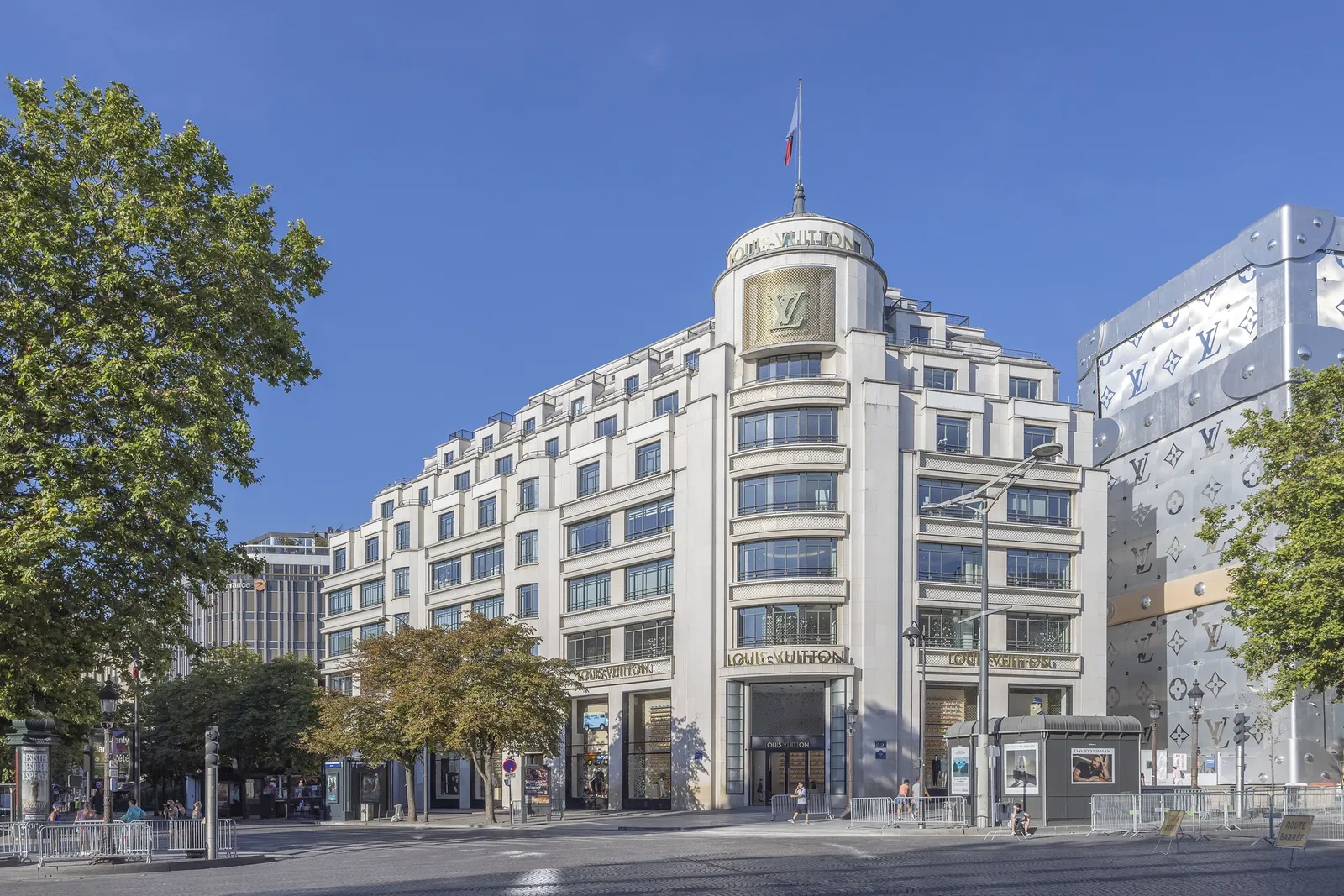
The Journal framed the story as a test for the industry's largest brand. Goldman Sachs estimates that Louis Vuitton's third-quarter sales fell about 8 per cent, and, like Gucci, it relies on aspirational shoppers for more than half its sales, according to Bernstein. In 2025, LVMH's chief financial officer, Cécile Cabanis, had rejected the idea of segmenting its prices by tier: "We're not Coca-Cola," she said, as ChosunBiz recalled in its summary of the Journal's report.
This autumn her tone changed, but her conclusion did not. "We've been seeing and having debates on what could be some more drastic immediate moves, like price cuts," Cabanis said on LVMH's third-quarter call in October, according to a transcript. "We don't believe this is something that is advisable, because whatever you do, you need to keep in mind the desirability of your brand." For Louis Vuitton, she said, the task was to stay in "the sweet spot between desirability on one hand and perceived value on the other hand".
Not everyone thinks price is Louis Vuitton's problem. Goldman's Erwan Rambourg has argued that the brand's expansion into categories such as fragrance and make-up has blurred its identity, the Journal reported.

Cut, ladder or hold
Other houses have chosen a middle route. Burberry has reportedly introduced an entry-level handbag collection largely priced below £2,000 without cutting prices on existing products, TheIndustry.fashion reported. That approach adds a lower rung to the ladder instead of moving the existing ones.
The risk of Gucci's route is well understood. A visible cut can weaken the sense of exclusivity and annoy clients who paid more for the same bag. The case for it is that Gucci, after years of decline, has less pricing power left to protect, and that a bag no one buys at €3,500 does nothing for the brand. Kering says conversion, average price and average ticket in Gucci's stores have all improved. The open question, which the next quarters will answer, is whether lower entry points bring more of them through the door.
For the earlier chapters of the house's story, see Gucci's Tom Ford and Alessandro Michele eras and Kering's third quarter, or browse the Gucci and Louis Vuitton house pages.
Frequently asked questions
Has Gucci cut its prices?
Yes, on selected products. The Wall Street Journal reported on 15 November 2026 that Gucci lowered prices on some handbags, shoes and ready-to-wear over the summer, including a 30 per cent cut on a small crystal Padlock bag in France, from €3,500 to €2,450.
Why is Gucci lowering prices?
Kering describes the changes as targeted adjustments to improve perceived value, as part of rebuilding Gucci's product and price architecture. Gucci's sales have fallen for 13 consecutive quarters, according to the Journal, and its third-quarter revenue fell 6 per cent on a comparable basis.
Is Gucci repositioning itself as a cheaper brand?
Kering says not. Its chief financial officer said on the third-quarter call that the cuts covered a very limited number of older seasonal products and that Gucci is "not going through a repositioning in pricing".
Will Louis Vuitton cut prices?
LVMH has not announced any cuts. Its chief financial officer said in October that price cuts had been debated but were not considered advisable for the brand.
Featured image: Tony Webster, CC BY 2.0, via Wikimedia Commons. Cropped for this page.
