
Paris trunk-maker founded by Louis Vuitton in 1854, now the largest house in LVMH. Known for the Monogram and Damier canvases, the Speedy, Keepall and Noé bags, and ready-to-wear since 1998.
Paris, France (2 rue du Pont-Neuf); historic workshops at Asnières-sur-Seine
Louis Vuitton
Founded 1854 · Paris, France
Overview
History
Louis Vuitton left his village in the Jura at thirteen and walked to Paris, where he was apprenticed to a box-maker and packer, the trade that prepared the luggage of the well-to-do for travel. In 1854 he opened his own workshop on rue Neuve-des-Capucines, near the Place Vendôme. Four years later he introduced a flat-topped trunk in grey Trianon canvas, lighter than the domed leather trunks of the day and easy to stack in railway carriages and ships' holds. In 1859 he moved his workshops to Asnières-sur-Seine, north-west of Paris, where the family home and special-order atelier still stand.
Imitation followed success. Vuitton answered with striped canvas and, in 1888, the Damier check bearing the words "marque L. Vuitton déposée". After his death in 1892, his son Georges designed the Monogram canvas in 1896, with its interlocking initials, quatrefoils and flowers, and patented it worldwide. Georges also perfected the tumbler lock that made Vuitton trunks hard to pick.
The twentieth century turned the trunk-maker into a bag-maker. The Keepall arrived in 1930, the Speedy soon after and the Noé, made to carry five bottles of champagne, in 1932. A more supple coated Monogram canvas in 1959 made the canvas suitable for handbags and small leather goods. The house's record during the Second World War, when the family business traded in Vichy, has since been examined by French historians and the press.
In 1987 Louis Vuitton merged with Moët Hennessy to form LVMH, and under Bernard Arnault the house became the group's engine. In 1997 it hired the New York designer Marc Jacobs as artistic director to create its first ready-to-wear, which was shown in Paris in March 1998. Jacobs made Vuitton a fashion house: he invited Stephen Sprouse to scrawl graffiti across the Monogram in 2001 and Takashi Murakami to recolour it in 2003, and his collaborations set a template for luxury and art that the industry still follows.
Nicolas Ghesquière, formerly of Balenciaga, succeeded Jacobs in women's collections in November 2013 and has shaped the house's look for more than a decade, with the Petite Malle trunk bag among his first signatures. Menswear became a stage in its own right: Kim Jones led it from 2011, culminating in a 2017 collaboration with Supreme; Virgil Abloh, appointed in 2018 as the house's first Black artistic director of menswear, held the post until his death in November 2021; and Pharrell Williams was named men's creative director in February 2023.
The house has continued to widen its reach, with fine jewellery, watchmaking and, from 2025, La Beauté Louis Vuitton, a make-up line created with Pat McGrath. It remains the biggest brand in luxury, yet every special-order trunk is still made by hand at Asnières, a few hundred metres from where Louis Vuitton built his first.
Creative director of Louis Vuitton
Pharrell Williams (Creative director, menswear, since Feb 2023) and Nicolas Ghesquière (Artistic director, women's collections, since Nov 2013).
Before: Virgil Abloh (Mar 2018–Nov 2021); Kim Jones (2011–2018); Marc Jacobs (1997–2013).
Creative direction
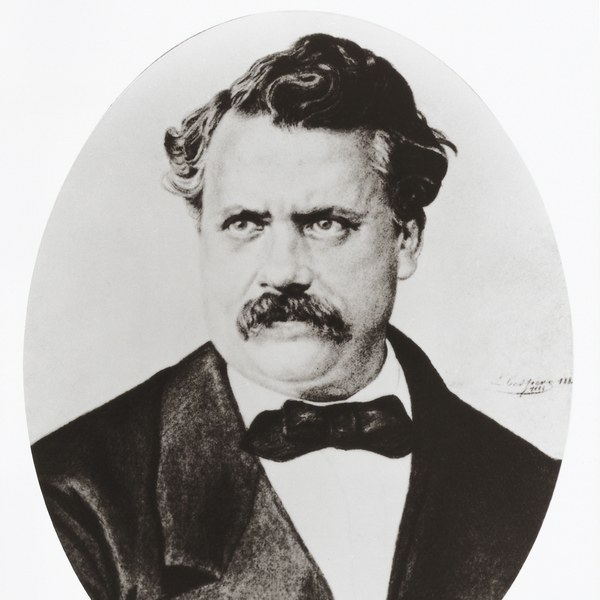
Flat-topped Trianon trunk (1858), Damier canvas (1888)
- Georges VuittonHead of house and designer1892–1936
Monogram canvas (1896), Tumbler lock
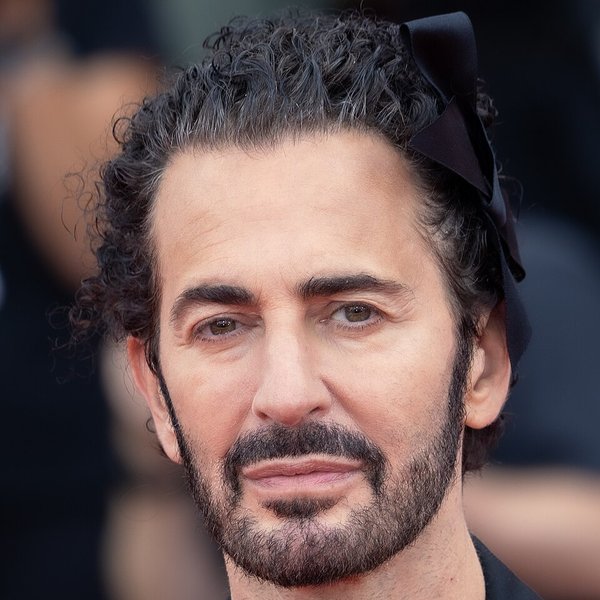
First ready-to-wear (1998), Stephen Sprouse graffiti Monogram (2001), Takashi Murakami Multicolore Monogram (2003)
- Kim JonesMen's style director (artistic director, menswear)2011–2018
Louis Vuitton x Supreme (2017)

Petite Malle (2014), Cruise shows at architectural landmarks
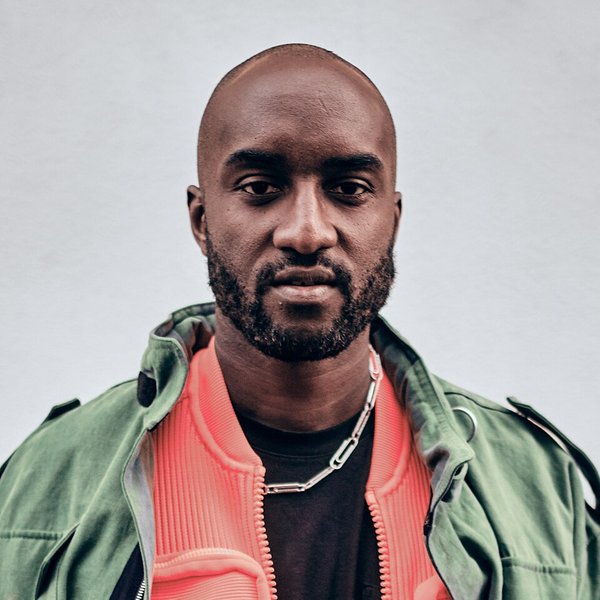
Rainbow runway debut (spring 2019), LV² collaboration with Nigo
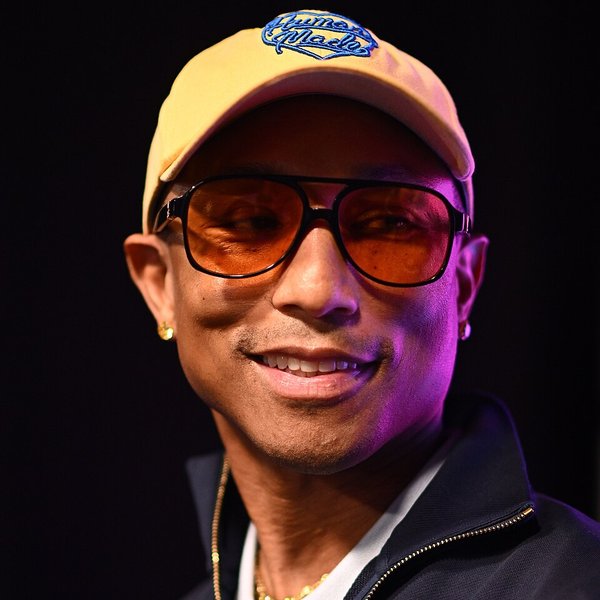
Damoflage (Damier camouflage) canvas, 2024


Products
- Alma1934 · bags
- Cerises (Takashi Murakami)2005 · bags
- Coat, spring/summer 2018, edition 2024spring/summer 2018, edition 2024 · spring/summer 2018, edition 2024 · ready-to-wear
- Damier canvas1888 · other
- Dress, fall/winter 2009–10fall/winter 2009–10 · fall/winter 2009–10 · ready-to-wear
- Dress, spring/summer 2012spring/summer 2012 · spring/summer 2012 · ready-to-wear
- Ensemble, fall/winter 1998–99fall/winter 1998–99 · fall/winter 1998–99 · ready-to-wear
- Ensemble, fall/winter 2019–20fall/winter 2019–20 · fall/winter 2019–20 · ready-to-wear
- Ensemble, spring/summer 2008spring/summer 2008 · spring/summer 2008 · ready-to-wear
- Ensemble, spring/summer 2011spring/summer 2011 · spring/summer 2011 · ready-to-wear
- Epi leather1985 · other
- Flat-topped trunk (Trianon canvas)1858 · other
- Keepall1930 · bags
- Look 32, fall/winter 2016–17fall/winter 2016–17 · fall/winter 2016–17 · ready-to-wear
- Millionaire Speedy2023 · Spring/Summer 2024 · bags
- Monogram Graffiti (Stephen Sprouse)2001 · bags
- Monogram Multicolore (Takashi Murakami)2003 · Spring/Summer 2003 · bags
- Monogram canvas1896 · other
- Multi Pochette Accessoires2019 · bags
- Neverfull2007 · bags
- Noé1932 · bags
- Petite Malle2014 · Fall/Winter 2014 · bags
- Pochette Métis2013 · bags
- Sac Plat1968 · bags
- Speedy1930s · bags
- Trench Coat, 20122012 · ready-to-wear
- Tumbler lock (unpickable lock)1886 · other
No. 01Stores
511 stores
View all 511 stores- United States105
- China64
- Japan58
- South Korea40
- France25
- Italy23
- Australia13
- United Kingdom13
- Canada11
- Taiwan10
- Mexico9
- United Arab Emirates9
- Hong Kong8
- Singapore8
- Spain8
- Turkey8
- Thailand7
- Brazil6
- Macau6
- Switzerland6
- Qatar5
- Greece4
- Malaysia4
- Netherlands4
- Saudi Arabia4
- Austria3
- Belgium3
- India3
- Indonesia3
- New Zealand3
- Vietnam3
- Finland2
- Germany2
- Kuwait2
- Morocco2
- Philippines2
- South Africa2
- Argentina1
- Aruba1
- Bahrain1
- Chile1
- Colombia1
- Czechia1
- Denmark1
- Hungary1
- Ireland1
- Israel1
- Jordan1
- Kazakhstan1
- Luxembourg1
- Monaco1
- Norway1
- Panama1
- Peru1
- Poland1
- Portugal1
- Romania1
- Saint Barthélemy1
- Sweden1
- Ukraine1
Top cities for Louis Vuitton
Luxury boutiques by country: United States, China, Japan, South Korea, France, Italy, Australia, United Kingdom, Canada, Taiwan, Mexico, United Arab Emirates
Latest from the Journal
Recent stories that mention Louis Vuitton.
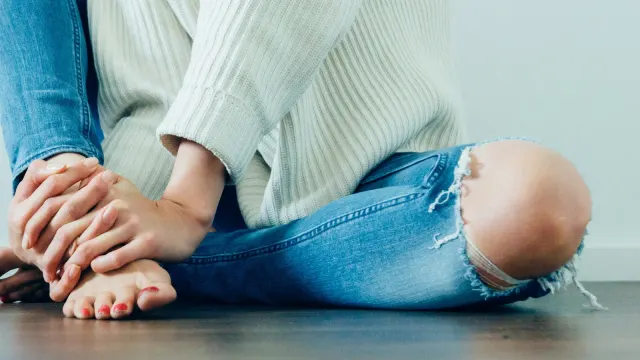 Trends · Worn to Death: Why Luxury Fashion Has Fallen for Stains, Frays and Rips
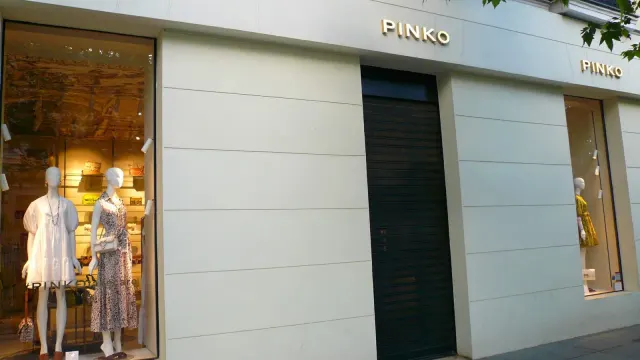 Market · Black Friday? No, Thanks: Why Pinko, REI and The Ordinary Are Sitting Out Retail's Biggest Sale
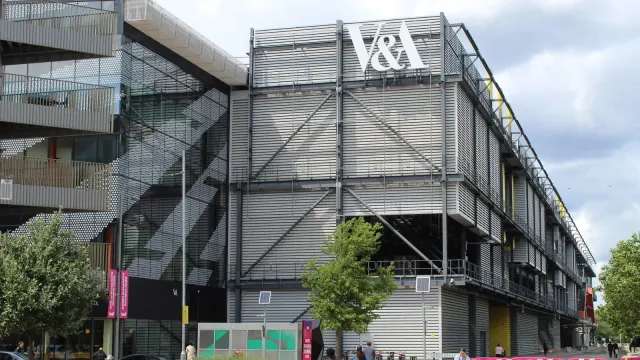 Culture · The Stories of Clothes: Bowie's Kansai Yamamoto Cloak, Terrace Style and the Social Life of Dress at V&A East
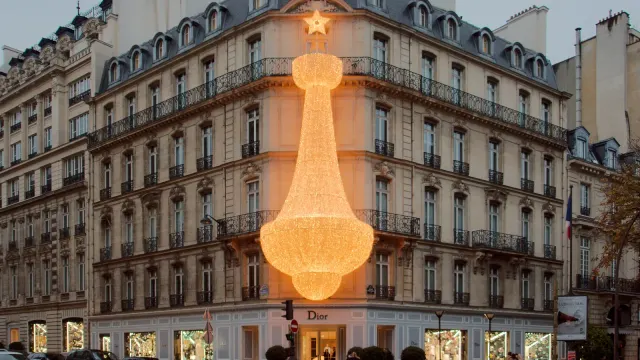 Houses · The Padlock on LVMH: Christian Dior Is Becoming Agache, and Bernard Arnault Can Run It Until 95