
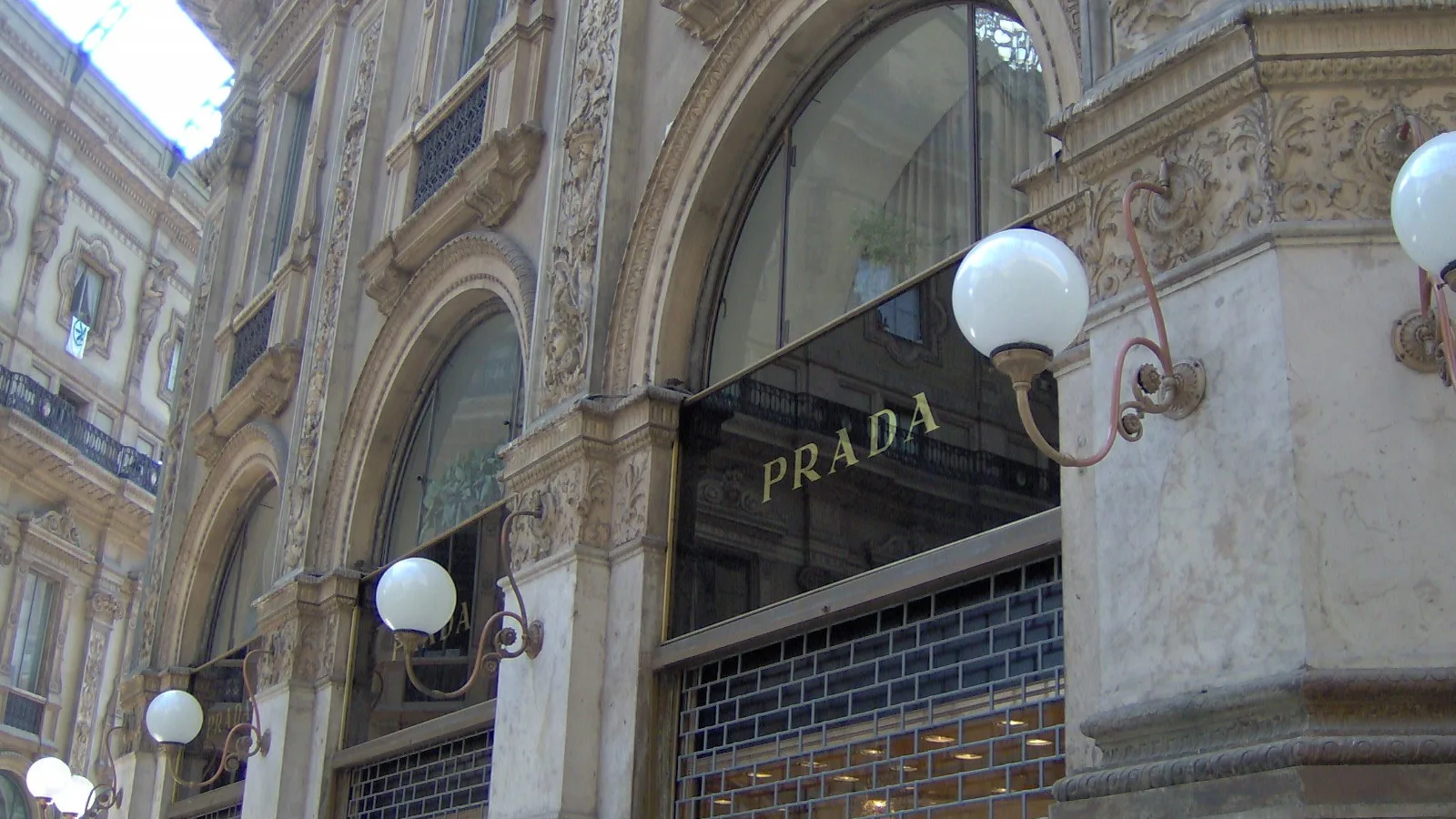
Growth of 1% is not usually much to celebrate. But in a results season in which, as Reuters put it, many luxury groups reported declining sales (see our reports on LVMH and Kering), it was enough for Prada to be described as resilient. On 22 October the Milan-based, Hong Kong-listed group reported third-quarter revenue of €1.49 billion, up 11% at constant exchange rates including Versace, and up 1% on an organic basis, which excludes the newly acquired house. Reuters noted that the figure matched the Visible Alpha analyst consensus.
"The third quarter unfolded against a particularly challenging industry backdrop," said Andrea Guerra, the group's chief executive. "In this context, the Group showed good resilience, underpinned by brand desirability and strong retail execution."
The numbers
Over the first nine months of the year, net revenues reached €4.541 billion, up 15% at constant currency and 4% organically. Retail sales, the bulk of the business, were €3.934 billion, up 11%, or 2% organically, against growth of 9% in the same period of 2025. In the third quarter alone, organic retail sales were stable, against an 8% rise a year earlier.
By region, the Americas were again the strongest, up 33% over nine months (13% organically), although growth softened in the third quarter against tough comparisons. Asia Pacific rose 12% (5% organically) and was stable in the quarter, with weak traffic in mainland China offset by Korea, Hong Kong and Macau. Europe rose 5% but fell 3% organically, and Japan rose 5%. The Middle East, down 23%, remained the main drag, particularly for Miu Miu.
Guerra told analysts that extreme weather had been the main factor behind weaker store traffic during a record-hot summer, Reuters reported, and that autumn-winter ready-to-wear sales were significantly delayed, picking up only in the last two to three weeks of the quarter.
Prada holds its ground
The Prada brand itself grew retail sales by 2% over nine months and 1% in the third quarter, with gains in the Americas and Asia Pacific, including China, and broadly stable trends in Europe and Japan. The group credited new leather goods, ready-to-wear and footwear, and its Spring/Summer 2027 womenswear show, which it described as a celebration of the house's "longstanding fascination with skirts". We covered that collection in our report on Milan Fashion Week.

Miu Miu pauses
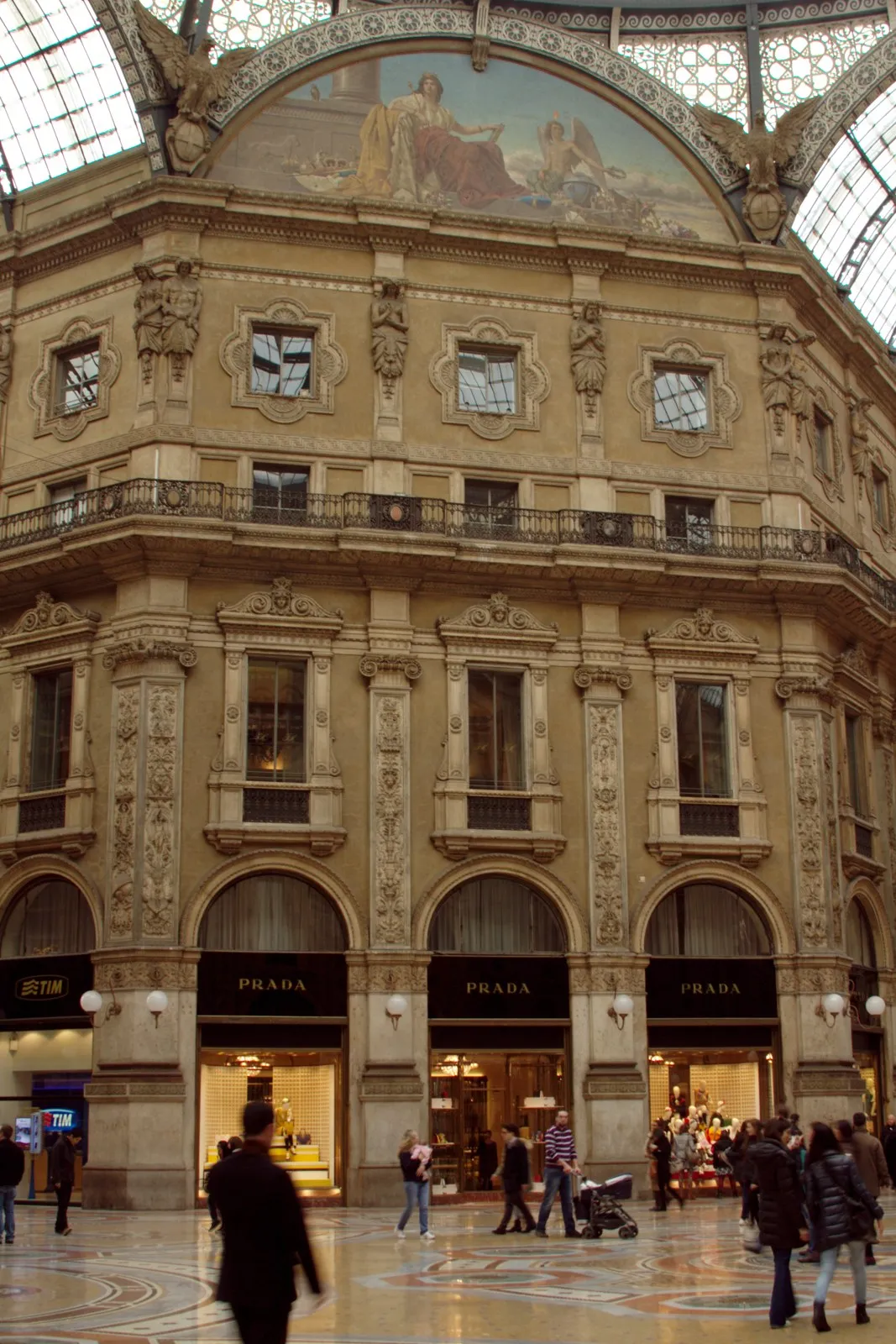
The quarter's most closely watched number belonged to Miu Miu. After a run in which it accounted for the bulk of the group's growth in 2025, the brand's retail sales fell 3% in the third quarter, its first quarterly decline since the pandemic, according to Reuters. Over nine months, Miu Miu was up 1%, against a 41% rise a year earlier.
Prada put the dip down to those demanding comparisons and an unfavourable geographical mix, adding that, excluding the Middle East, the quarter was broadly stable and retail metrics "very robust". Guerra told analysts that, after growing almost fivefold in around four and a half years, the brand needed time "to digest, to normalize, and restart", according to a transcript of the call published by Investing.com. Meanwhile, Miu Miu has been testing a travelling pop-up format, the Miu Miu Vinyl Club, and opened a private-client lounge at Shanghai IFC.

Versace in waiting
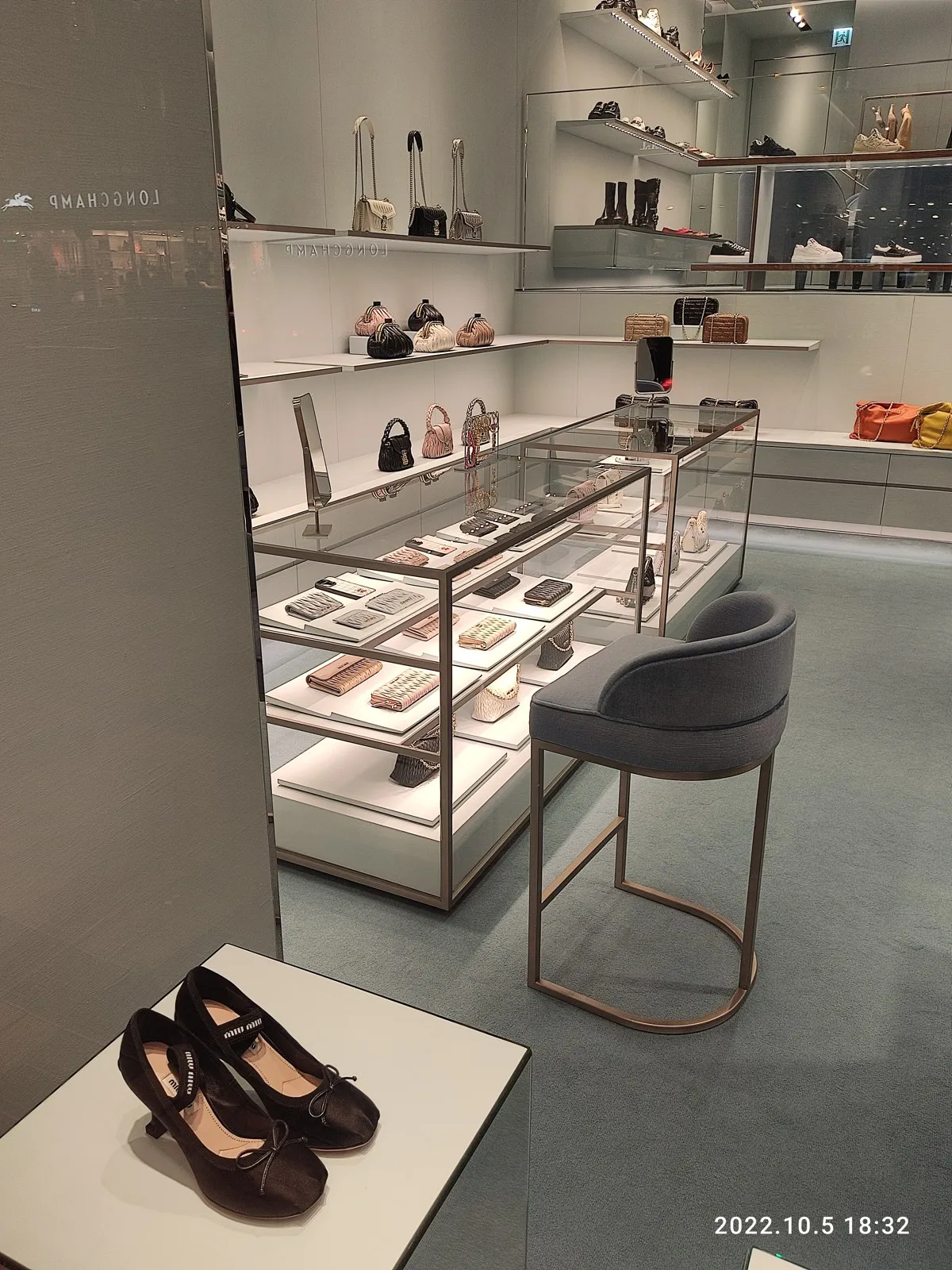
Versace, which Prada acquired in December 2025, contributed €441 million of revenue over the nine months. The group's statement said the house was focused on "managing the transition while setting the foundations for the new creative debut in 2027", when Pieter Mulier, formerly of Alaïa, presents his first collection as creative director. Integration, Prada said, was "progressing on track".

Back to the Galleria
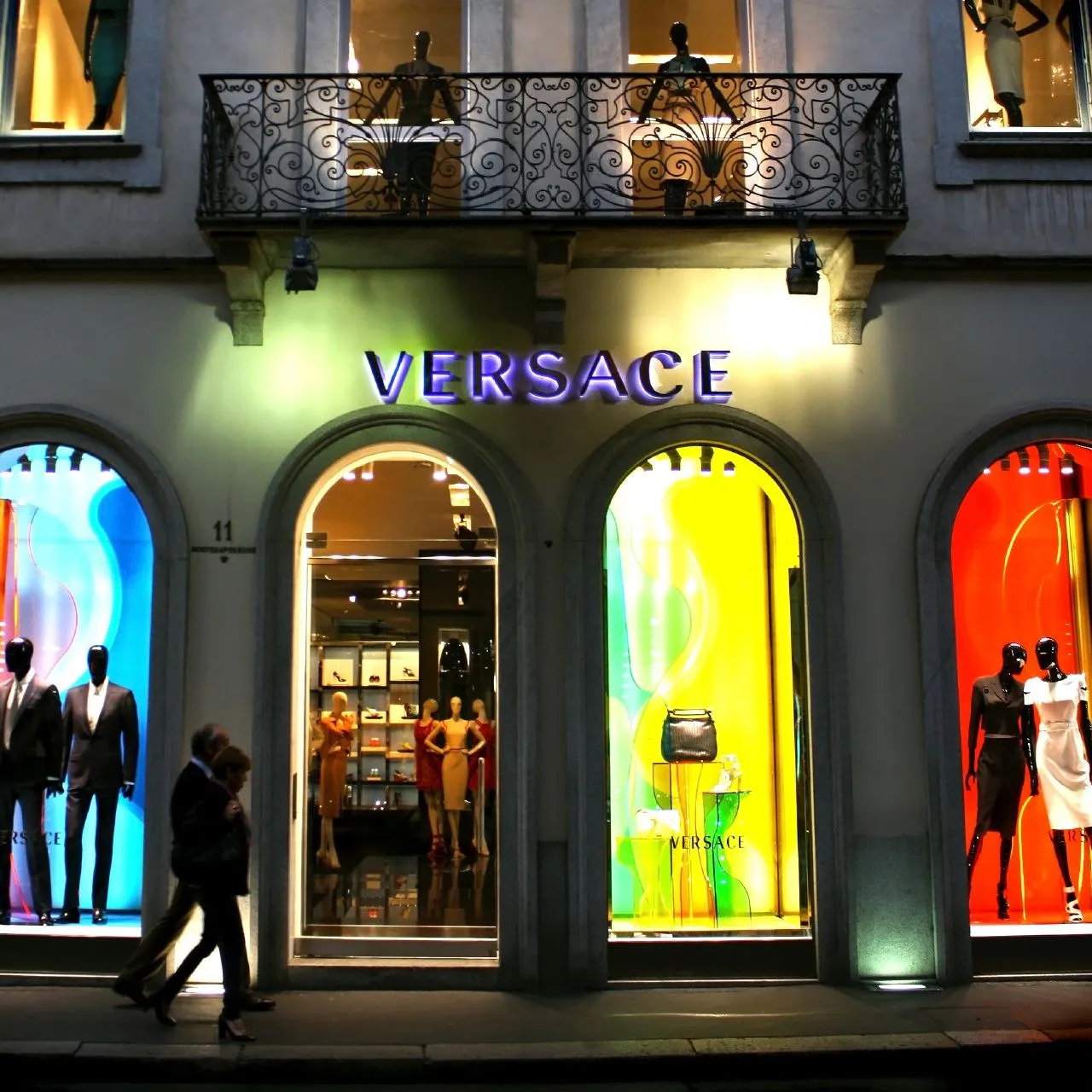
If Miu Miu is the group's recent past and Versace its future, Prada's clearest statement this quarter was about its origins. In September the house unveiled Prada Galleria, an eight-floor complex in Milan's Galleria Vittorio Emanuele II on the site of the original Fratelli Prada shop. According to the group, it joins the renovated Prada Donna and Uomo stores, now linked by an underground passage, with the Marchesi 1824 pastry shop, a permanent archive exhibition called Pradasphere, salon-style rooms for shopping by appointment, a private apartment for dinners and events, and the Osservatorio of Fondazione Prada.
"It is a way to show our DNA, our roots, our way of thinking and point of view," Guerra told Reuters at the opening, adding that the complex could generate €100 million in annual revenue. It is the clearest sign yet of where the industry thinks growth now lies: in the wealthiest clients and the experiences built around them. Guerra said Prada would open such private "apartments" in the world's top 25 capitals, while keeping entry-level prices relatively stable for aspirational shoppers.
What it means
The chairman, Patrizio Bertelli, warned that "market turbulence is likely to persist", while pointing to the group's new leather-goods production hub at Piancastagnaio in Tuscany as evidence of long-term investment. On this quarter's evidence, Prada is managing the slowdown better than most of its peers. Its next test is whether Miu Miu can resume growth, and whether Mulier's Versace can become a second engine. For how the group fits into the wider ownership map, see our guide to who owns the luxury fashion houses.
Featured image: Per Andersson (Nrkpan), CC BY-SA 3.0, via Wikimedia Commons. Cropped for this page; the cropped version is shared under the same CC BY-SA 3.0 licence.
