
Black Friday has never been bigger, or more doubted. Adobe expects American shoppers to spend $12.9 billion online today alone, up 9.2 per cent on last year, with clothing among the categories where it forecasts the deepest discounts of the season. Yet a small group of brands has decided that the best price on Black Friday is the full one.
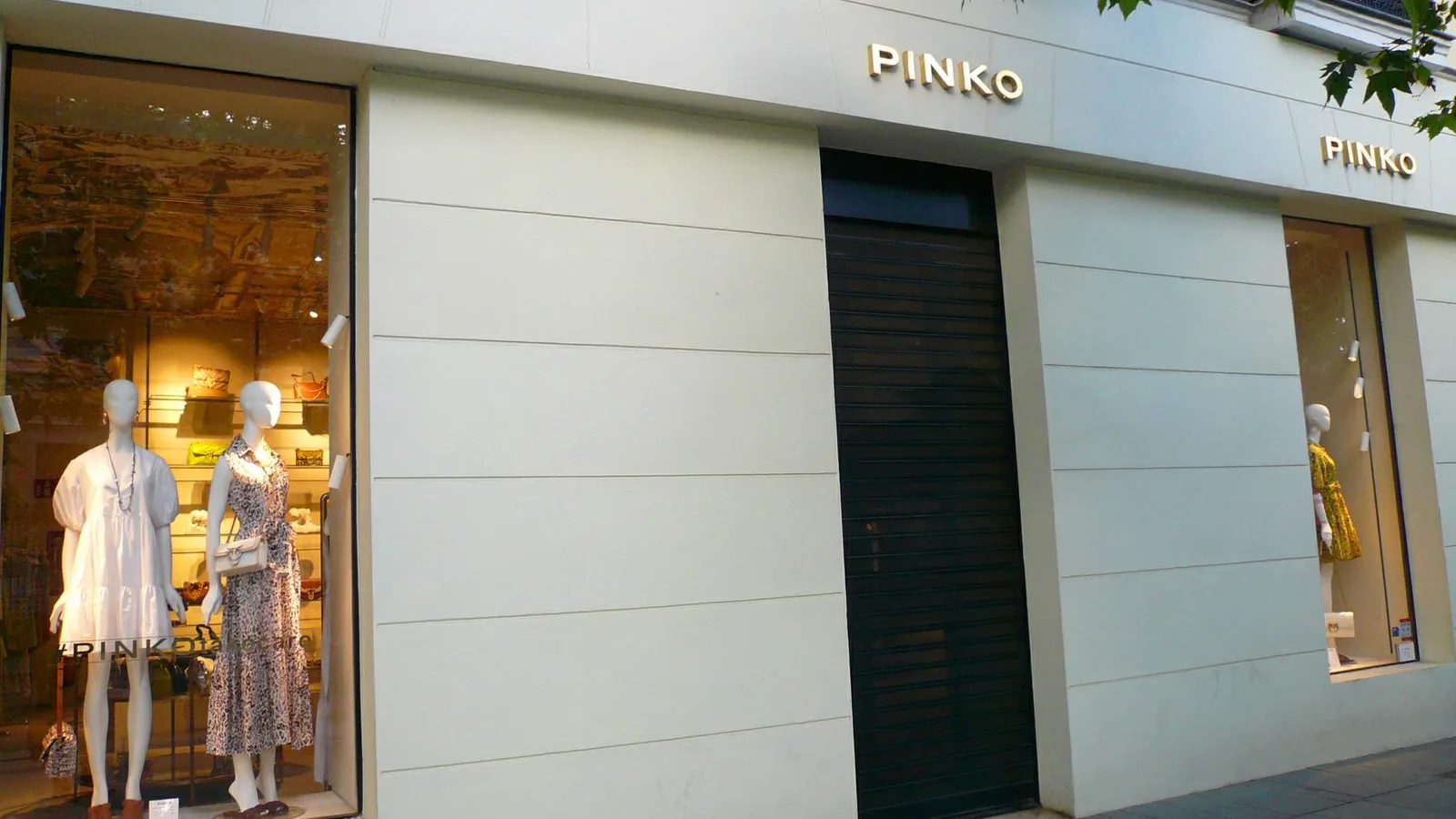
The most striking is Pinko. The Italian womenswear label is sitting out Black Friday for the first time this year, Reuters reported on Thursday, a decision its chairman, Pietro Negra, expects to cost about €2 million in revenue. In the United States, the outdoor retailer REI is closing its stores for the day, as it has done since 2015, and so is The Ordinary, the skincare brand owned by Estée Lauder. Their reasons differ, from protecting margins to making a point about overconsumption, but they share a bet: that in a year of discount fatigue, refusing to play may build more trust than another percentage off.
The key facts
- The date: Black Friday falls on 27 November 2026, followed by Cyber Monday on 30 November
- Who is opting out: Pinko (no markdowns for the first time, in markets including Italy, Spain and Germany), REI (stores closed, staff given a paid day off), The Ordinary (stores closed), and the British outerwear maker Buffalo Systems
- What it costs: about €2 million in revenue for Pinko, by its chairman's estimate, with a proportionally much smaller hit to profit
- The backdrop: Adobe forecasts a record $275.1 billion of US online holiday spending, and the National Retail Federation expects November and December sales to grow 4.2 per cent to $1.013 trillion
Pinko's dragon
Pinko describes itself as an "entry to luxury" womenswear brand, and it is based in Fidenza, near Parma. Its decision was announced earlier this month with a manifesto titled "Black Friday? No, thanks", and it covers Italy and several other European and Middle Eastern markets, according to the Milan financial daily MF.
Negra has framed it as a fight against a habit rather than against a single day. "By not taking part in Black Friday, we're trying to cut off one small head of a dragon that has another thousand," he told Reuters, pointing to "family & friends" promotions, private sales and other events that encourage discounting. "That's not the kind of relationship we want with customers, nor are those the conditions that will secure the future of the sector."

The commercial logic is as important as the principle. Speaking to MF on 9 November, Negra said the move was meant above all to support Pinko's wholesale partners, the independent multi-brand boutiques whose margins, he said, are being eroded by early discounts and promotions while footfall falls. He called Black Friday the emblem of out-of-season discounting and said he wanted to protect at least a reasonable period without markdowns between the summer sales and the start of the January sales. Instead of price cuts, Pinko is running a Christmas-themed in-store programme, Pinko Christmas Dream, across its boutiques over the Black Friday weekend.
Negra told Reuters that while the decision will cost about €2 million in revenue, the hit to profitability is proportionally much smaller, and margin is what he is focused on. That is the arithmetic every brand weighing Black Friday has to do: a discounted sale adds revenue, but at a lower margin, and it can teach customers to wait for the next one.
Closed for the day
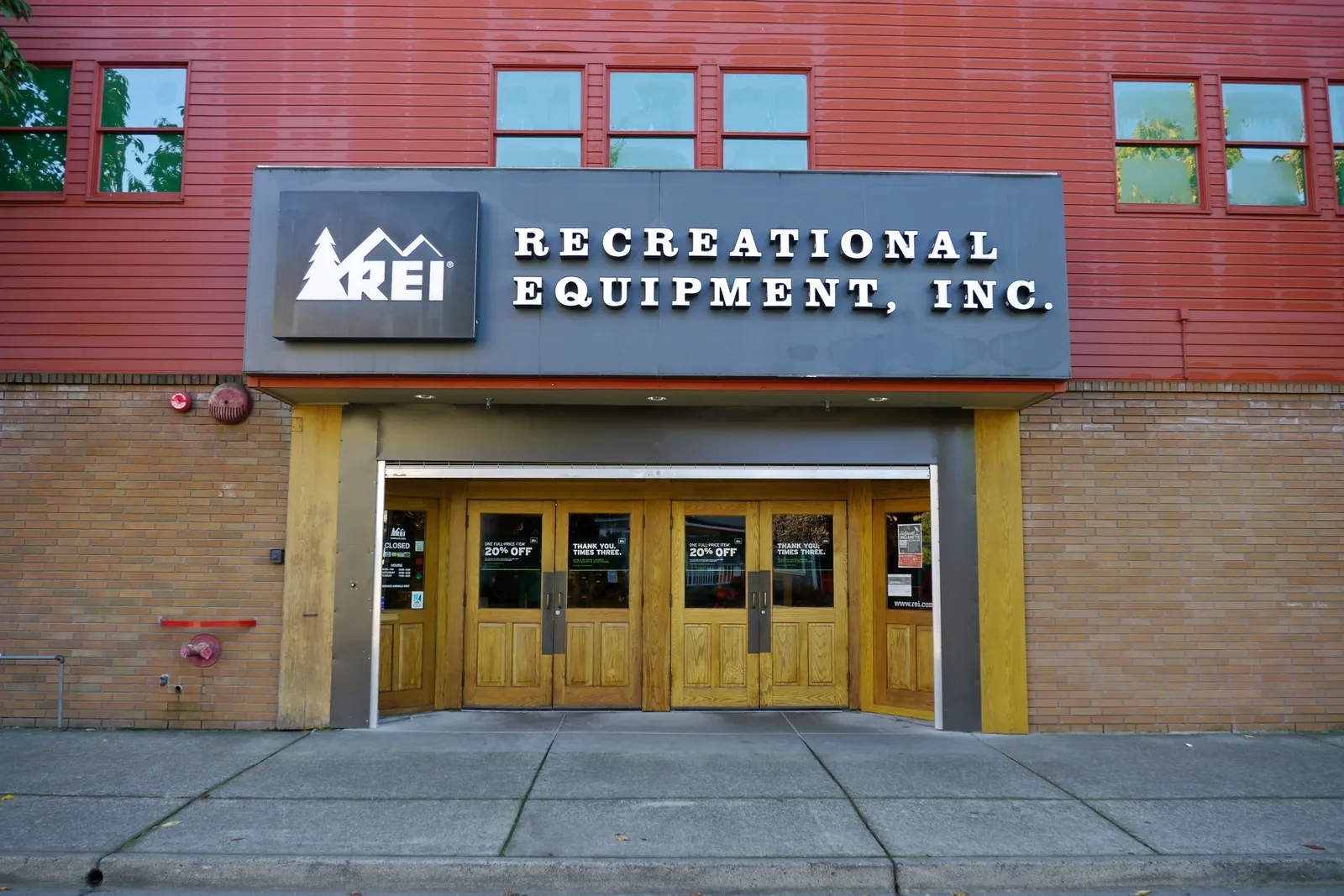
REI is the best-known refusenik. The American co-op launched its #OptOutside campaign in 2015 and made the Black Friday closure permanent in 2022. On 27 November all REI stores, distribution centres, call centres and its headquarters are closed, and its roughly 12,000 employees get a paid day off; customers can still order online, with orders processed from the following day, the company said on 2 November.

The Ordinary also shuts its stores for the day and runs blood donation drives in New York and Toronto instead, Reuters reported. Amy Bi, its senior vice president of global brand, said impulse buying around Black Friday often leads people to buy products they do not need or that are not right for their skin, and that halting sales is a way of encouraging consumers to "slow down". Buffalo Systems, the British outerwear brand, says it does not take part because it is a small business manufacturing in the UK.
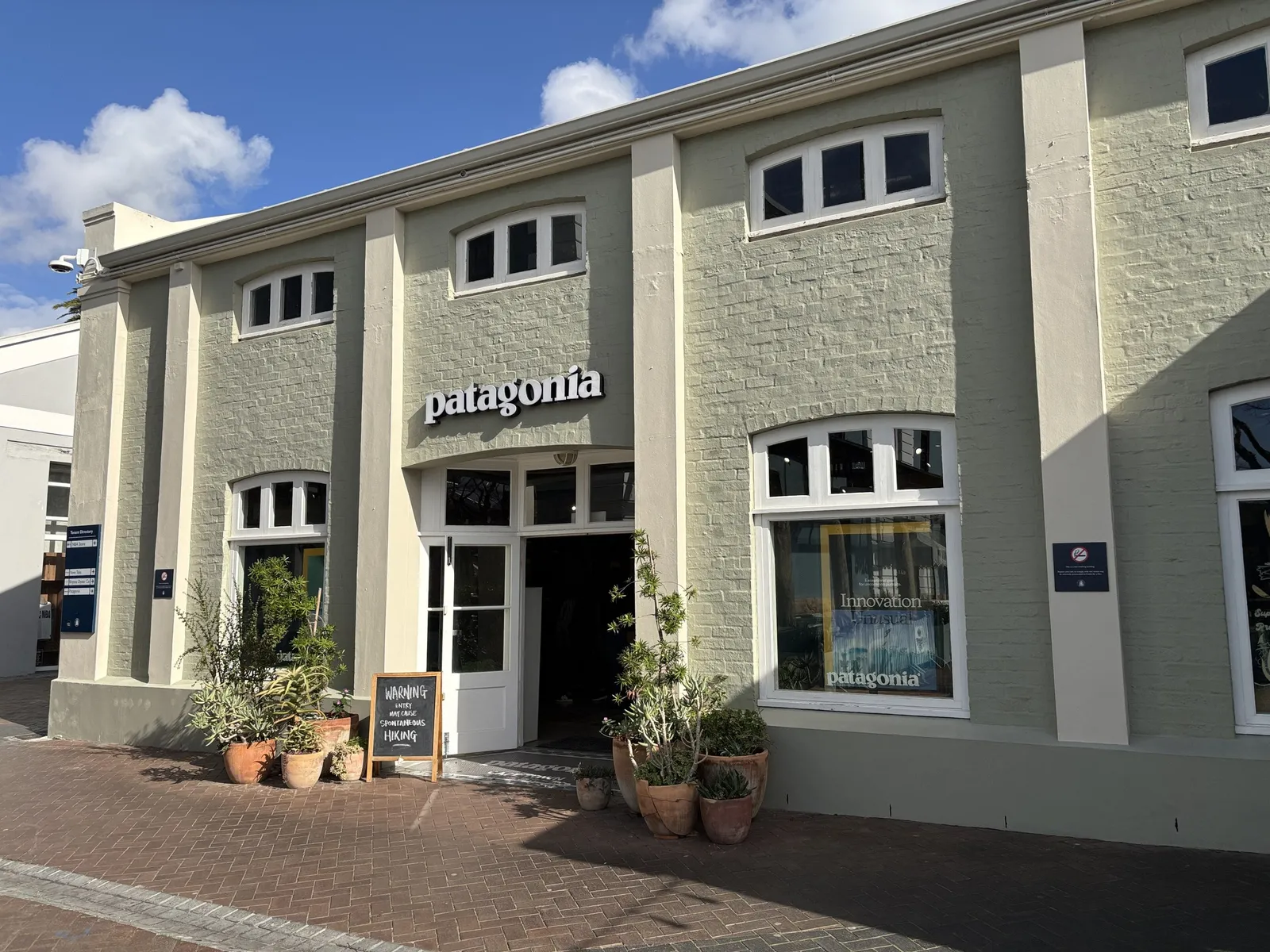
There is a long precedent. On Black Friday 2011 Patagonia took out an advertisement in The New York Times headlined "Don't Buy This Jacket", asking customers to think twice before buying and to pledge to reduce, repair, reuse and recycle. "We should be the only retailer in the country asking people to buy less on Black Friday," the company wrote at the time, while acknowledging that it was a growing business that needed to sell things. The tension it named, between selling clothes and asking people to buy fewer of them, has not gone away.

Discount fatigue, in numbers
The holdouts are swimming against a strong current. Adobe forecasts that US online spending will reach a record $275.1 billion between 1 November and 31 December, up 6.7 per cent, and that Cyber Week, the five days from Thanksgiving to Cyber Monday, will bring in $47.5 billion. Apparel is the second-largest online category, at a forecast $51.3 billion for the season, and Adobe expects clothing discounts to peak at 23 per cent off listed prices, in line with last year, with the best apparel deals landing on Black Friday itself. It also expects online sales of clothing basics during Cyber Week to be 210 per cent above their September average, a sign that many shoppers are using the sales to stock up rather than to treat themselves.
The National Retail Federation, which forecast on 15 October that US holiday sales would grow 4.2 per cent to $1.013 trillion, struck a cautious note. "Inflation, rising gas prices and pressure on household spending will affect consumers differently across income groups," said Mark Mathews, its chief economist.
That pressure is exactly why some brands think opting out can work. After five years of persistently high inflation, shoppers are increasingly sceptical of retailers' pricing and less likely to believe that advertised discounts reflect real savings, Shikha Jain, a partner at the consultancy Simon-Kucher in Boston, told Reuters. "There has been a serious erosion of trust," she said. Opting out is risky when competition for every dollar is fierce, but it can give a brand a different kind of visibility, especially with less price-sensitive shoppers.
Not everyone can afford the gesture. The British beauty brand UpCircle, which makes creams and scrubs from food-industry by-products, runs a 25 per cent Black Friday discount while posting against overproduction and overconsumption. Its founder, Anna Brightman, called Black Friday "the antithesis of everything we stand for", but said the posts attract attention and the discount wins new customers. In the three weeks around Black Friday, she said, UpCircle makes 20 per cent of its online sales for the year.
What it means for luxury
At the top of the market, the question is old. Many of the biggest luxury houses avoid public markdowns altogether, and this year the debate has been about list prices rather than sales: Gucci has quietly cut some prices by as much as 30 per cent while Louis Vuitton has held firm, as we reported in our analysis of Kering's price reset. Bain's latest luxury study found a market with millions fewer shoppers, as we set out in our report on its findings.
Pinko's case is interesting because it sits below that tier, in the accessible-luxury band where discounting is common and wholesale partners are most exposed. If a brand at that level can give up a weekend of promotions and come out with its margins and its stockists in better shape, others will notice.
Our view
Opting out of Black Friday is, in part, marketing, and the brands doing it know it. But it is marketing with a cost attached, and that makes it more credible than most. Pinko's €2 million is a real number, and REI pays 12,000 people to stay home.
The deeper argument is about what a price means. When a brand is permanently on sale, its full price becomes a fiction and its customers learn to wait. The holdouts are betting that a price which does not move is worth more, to the customer and to the business, than one that does. In a year when shoppers say they no longer believe the discounts, that bet looks less eccentric than it once did. For shoppers, the practical lesson is simple: a discount is only a saving on something you would have bought anyway.
For what shoppers actually want this season, see our report on Lyst's 2026 gift index.
Frequently asked questions
When is Black Friday 2026?
Friday 27 November 2026, the day after Thanksgiving in the United States. Cyber Monday follows on 30 November.
Which brands are not taking part in Black Friday in 2026?
Brands reported to be opting out include the Italian fashion label Pinko (for the first time, in markets including Italy, Spain and Germany), the US outdoor retailer REI and the skincare brand The Ordinary, both of which close their stores, and the British outerwear maker Buffalo Systems.
Why is Pinko skipping Black Friday?
Its chairman, Pietro Negra, says constant discounting becomes a vicious cycle that damages trust and erodes the margins of the brand's wholesale partners. He estimates the decision will cost about €2 million in revenue, with a proportionally smaller effect on profit.
Is REI open on Black Friday?
No. All REI stores, distribution centres, call centres and its headquarters close on Black Friday, and employees get a paid day off. Online orders can still be placed and are processed from the next day.
How big are Black Friday discounts on clothing this year?
Adobe forecast in September that US online discounts on apparel would peak at about 23 per cent off listed prices, similar to 2025, with the best clothing deals expected on Black Friday.
Featured image: Zarateman, CC0 1.0, via Wikimedia Commons. Cropped for this page.
