
The quilted Chanel shoulder bag that Gabrielle Chanel introduced in February 1955, later known as the 2.55 (as our Chanel page recounts), is one of the most copied objects in fashion. Its descendant, the Classic Flap, sits alongside the Hermès Birkin and the Fendi Baguette in Rebag's list of the bags that define the resale market. That combination of desirability and recognisability makes it a prime target for counterfeiters, some of them very good.
This guide brings together the checks that established resale specialists describe publicly. It is designed to help you ask the right questions and spot obvious problems. It is not a substitute for professional authentication, and every source quoted here says the same. For the house's history, from the 1955 bag to Matthieu Blazy's reinterpretation, see the Chanel brand page. Casadi's note on reading a Classic Flap is the authentication guide.
First principle: no single check is enough
Both of the resellers we draw on stress this. Fashionphile says it does "not base our determination on serial plates alone" and examines "every centimeter of the bag". Sellier, the London reseller, reminds readers that Chanel "has been around for over 100 years, so there may be differences and variations between the design, model and origin of the pieces". A detail that looks wrong may be a genuine variation from a particular year; a detail that looks right may have been copied. Authenticators look for a consistent story across the whole bag.
1. The quilting and stitching
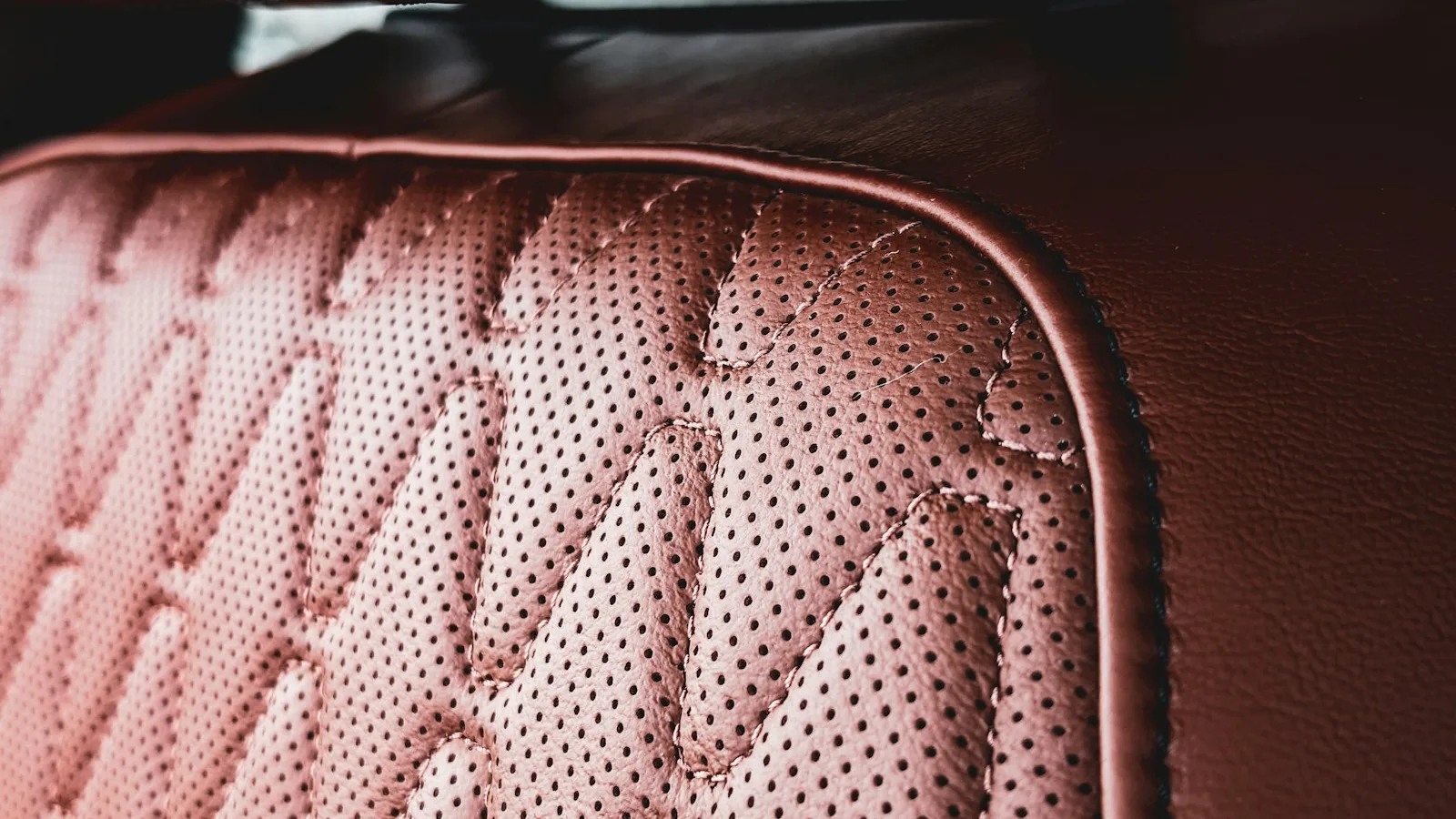
Start with the overall impression. Fashionphile looks for even, straight stitching with no loose threads or irregular spacing, and notes that the interior should be as neat as the exterior. On quilted bags, the diamond pattern should be symmetrical, and the quilting should be "puffy and retain its shape, not flat or uneven."
Sellier adds two specific checks. The quilting should be precisely aligned across the bag, and the number of stitches along each side of a diamond should be between eight and eleven, depending on the year: older bags have fewer stitches, newer ones slightly more. Sellier also cautions that genuine bags "sometimes have imperfections from use or age", so a single stray thread is not proof of a fake.
2. The leather
The material should feel right for its type. According to Fashionphile, lambskin should be "buttery smooth", caviar leather should have "a consistent, pebbled texture", and leather in general should feel "soft and luxurious, not stiff or plastic-like."
Sellier links leather to construction: stiffer caviar Classic Flaps in black typically have a stitched edge for structure, while softer lambskin bags usually have a non-stitched edge. There are exceptions on both sides, including coloured caviar pieces and many vintage lambskin bags, which is exactly why one detail cannot decide the question.
3. The CC turn-lock
The interlocking CC on the front lock is a favourite check. Sellier says the right-hand C should overlap at the top and the left-hand C at the bottom. It also notes that the stamp on the lock changes position and design over the years, so "you can't rely solely on this technique".
Turn the flap over and look at the back of the lock plate. Sellier's guidance is that authentic plates use flat-head screws; it describes cross-head screws as a sign of a fake. That is one reseller's rule of thumb; if you see something unusual, ask a professional rather than drawing a conclusion yourself.
4. The chain and hardware
The chain should "feel heavy and substantial", according to Sellier. Fashionphile's hardware check is broader: zips, clasps and other hardware should carry the Chanel name or CC logo, and every stamped, embossed or engraved mark should be "crisp and clear", with clean edges.
5. Interior stamps and zips
Inside the flap, Sellier describes precise proportions for the heat-stamped logo and notes that the house uses only "France" and "Italy" in its made-in stamping. A "Made in Paris" stamp, it says, is a warning sign. The interior zip may carry one of several manufacturer marks depending on the model and era, and very old bags may have an unmarked zip.
6. Serial stickers (to 2021)
For decades, Chanel bags carried a serial sticker inside, usually with a matching authenticity card. Sellier describes a genuine sticker as white with a clear plastic covering, two CC logos above the number, and "X" cuts in the plastic that stop it being removed cleanly. It gives the digit count as a rough date guide: six digits for bags made around 1984 to 1986, seven digits from 1986 to 2004, and eight digits from 2005 to 2021.
The stickers are no longer decisive on their own. Sellier warns that the security cuts "have been replicated lately", and that its authenticators keep catalogues of correct fonts by year because "even the super fakes often get these wrong."
7. Metal plates and chips (from 2021)
In 2021 Chanel replaced stickers and cards on its bags with a metal plate inside the bag. Fashionphile describes a rectangular plate about 1.2 inches wide, engraved with a CC logo and an eight-character alphanumeric code, in the same metal as the bag's hardware. Each code is unique to the item, and Fashionphile says there is currently no link between the code and the year of manufacture.
The plate contains a chip. Fashionphile describes it as an NFC chip whose data is "only accessible to Chanel associates with proprietary scanning devices"; Sellier refers to the same change as a move to RFID chips. For buyers, the practical point is the same: you cannot read the chip yourself. Fashionphile also says buyers can take resale purchases into a Chanel boutique for a scan by a sales associate. That is the reseller's account; it is sensible to confirm the service with your local boutique before relying on it.
Small leather goods are different. Fashionphile notes that they still carry a serial sticker, in the same format as the metal plates.
What these checks cannot do
The honest conclusion of every guide is that experience matters more than any checklist. Counterfeiters study the same public guidance you are reading now. Your best protection is to buy from sellers who authenticate professionally, put their guarantee in writing and accept returns, and to treat a price that seems too good as the warning it usually is.
A buyer's short list
- Buy from established sellers with a written authenticity guarantee.
- Ask for clear photographs of the lock (front and back), stamps, stitching and serial sticker or plate.
- Check that the details tell a consistent story for the claimed year.
- Have high-value purchases authenticated independently.
To see how Chanel compares with other houses on heritage and price positioning, try the brand compare tool, and read our guide to which bags hold their value in the Journal.