
There was a time when a bride chose one dress and wore it from the church door to the last dance. That convention is fading fast. "It's become increasingly common to expand the wedding day wardrobe to two, three, or even four looks," Vogue's Shelby Wax wrote last month, after previewing the Fall 2027 collections at New York Bridal Fashion Week. Add the rehearsal dinner, the welcome party and the morning-after brunch, and a wedding becomes something closer to a short season of dressing.
This past week offered three vivid examples. A royal bride gave her first interview about a gown built from three parts. A gallerist married on Halloween in three dresses from three designers. And a New York accessories designer revealed how she made her own wedding wardrobe. Together they show how the most talked-about brides are dressing now, and why the designers are following.
The royal version: one gown, three pieces
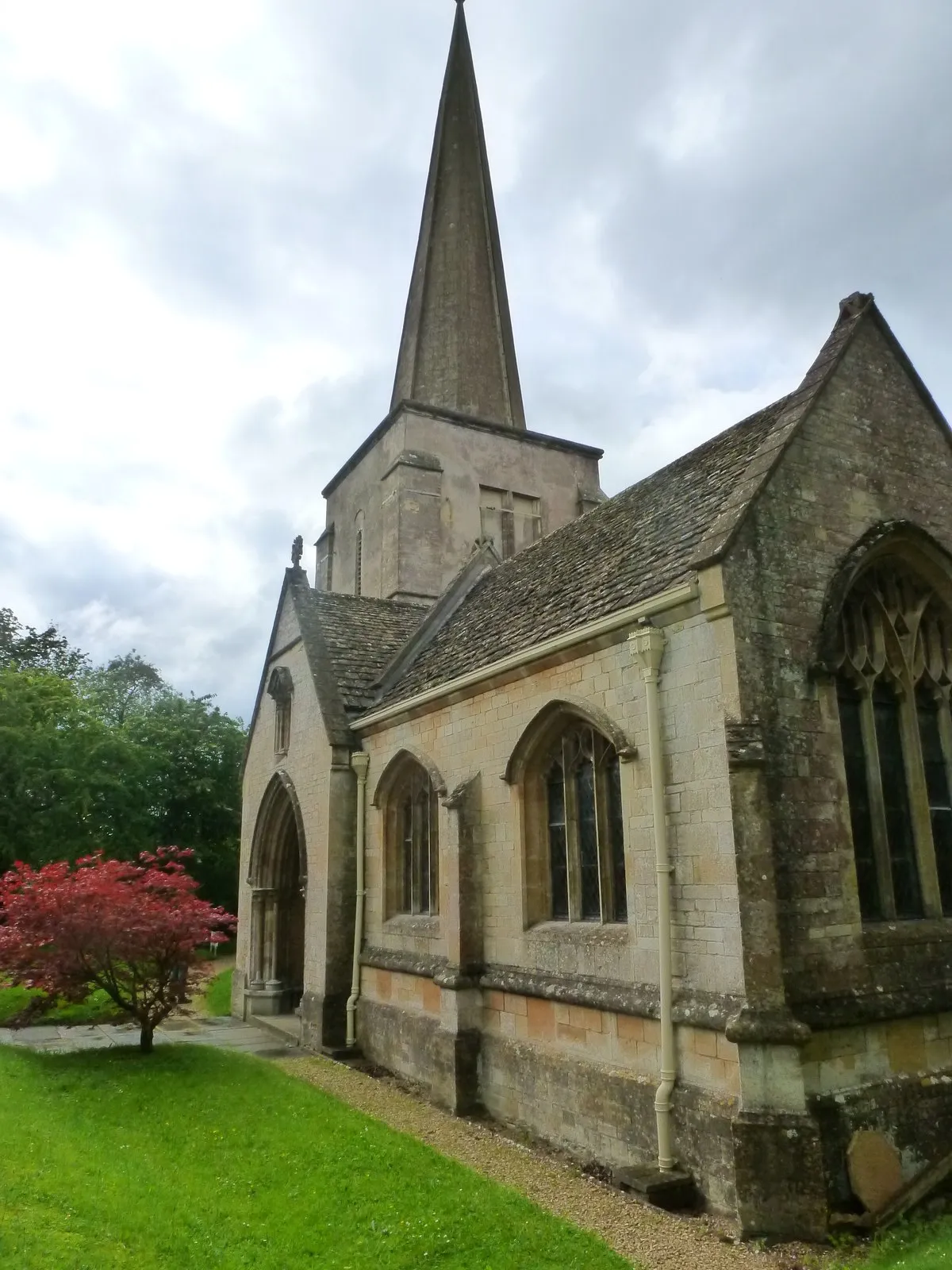
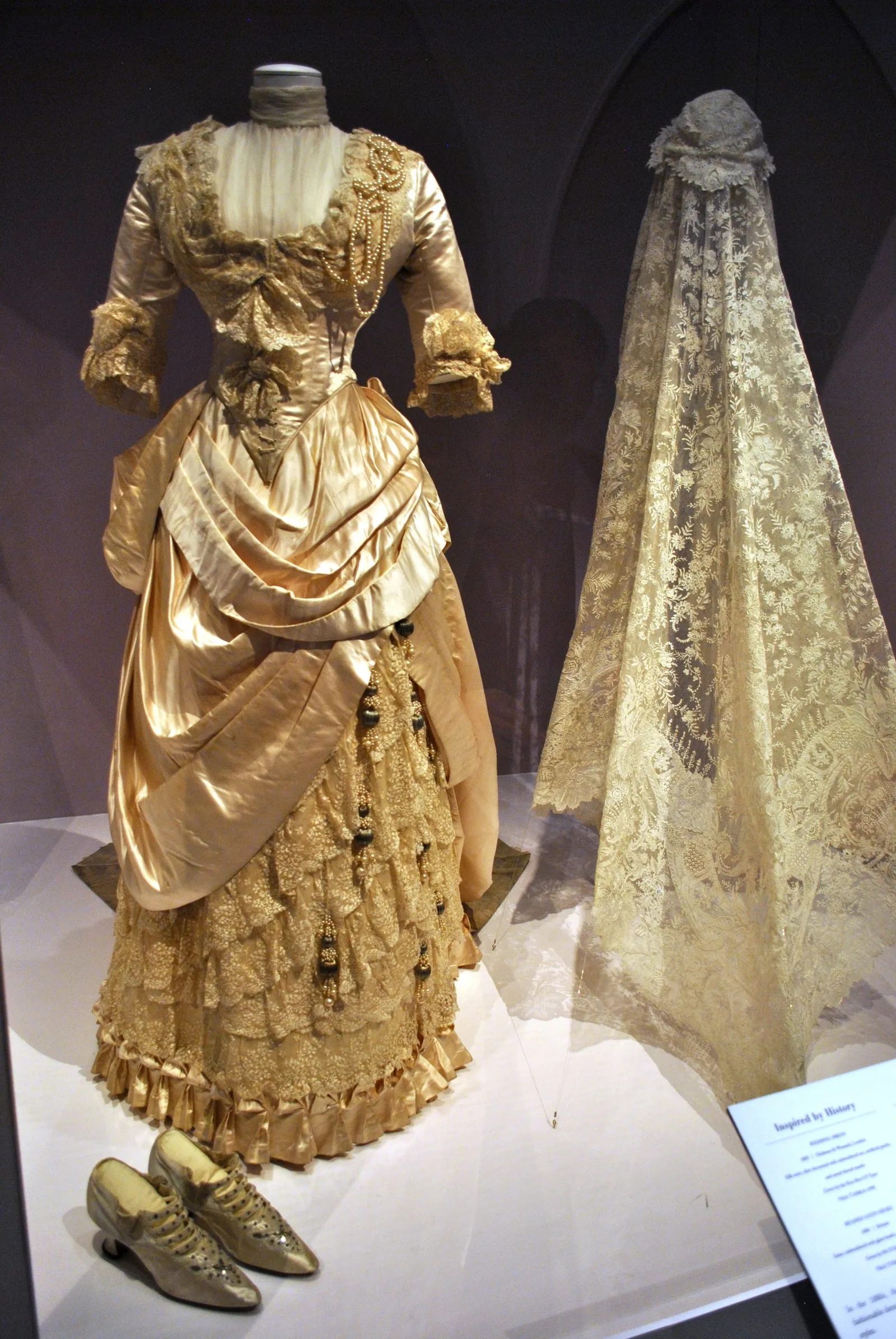
When the paediatric nurse Harriet Sperling married Peter Phillips, the son of Princess Anne, on 6 June at All Saints' Church in Kemble, Gloucestershire, her dress came from Emilia Wickstead, the New Zealand-born, London-based designer long favoured by the Princess of Wales. As British Vogue reported on the day, it was constructed from three elements: a square-neck column underdress, a lace overjacket fitted above the waist and a three-metre train inspired by a 19th-century silhouette. "We aligned on something authentic, traditional and modern," Wickstead said.

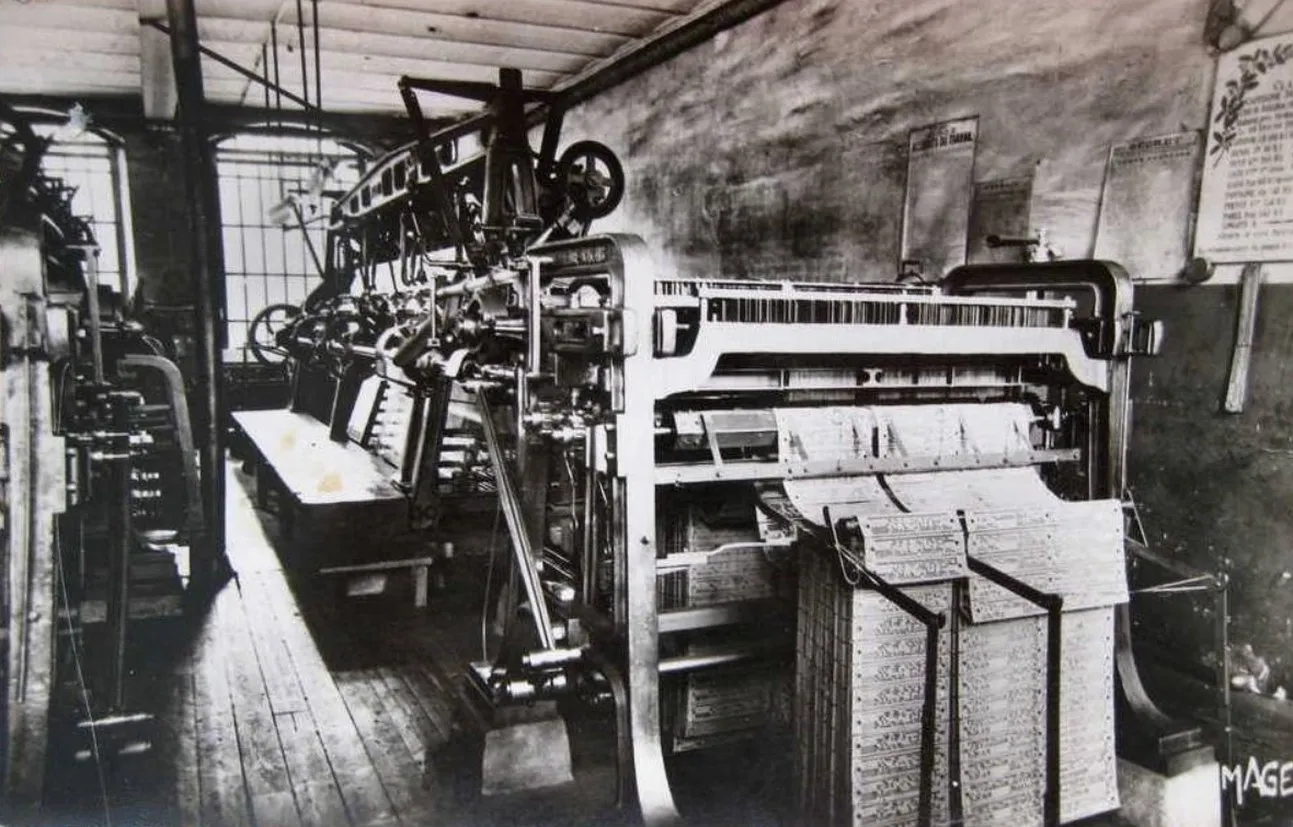
The materials were chosen with the same care. Wickstead cut the dress in Italian ivory crêpe, a less conventional bridal fabric that, in her words, "moulds to the body", and hand-appliquéd it with Leavers lace. British Vogue notes that this fine machine lace was invented in Nottingham in 1813. Its prairie-flower motif, a design dating to the early 1900s, nodded to the wildflowers of Gloucestershire, where bride and groom both grew up. The same lace edged the veil, and the bridesmaids' dresses used the same Italian crêpe as the gown.

In her first interview since the wedding, given to Hello! magazine and reported by Marie Claire on 3 November, Sperling explained the thinking. "The fit and cut of the dress had more to do with the fact that it was a second wedding," she said. "It had a romantic, soft look about it." Of the lace: "The lace was inspired by flowers you might find locally." Of Wickstead: "She realized a dream for me, and I was so thrilled with it." Even the weather had its moment. It rained that morning, she recalled, "but the girls kept my train completely white and immaculate."
For Wickstead, the modular idea is personal. Her own wedding dress 15 years ago had a pearl-embellished georgette jacket built in, which she removed in the evening to reveal a strappy bodice. Her latest bridal collection, she told British Vogue in July, is built on the same principle. "A bride wants to be many things," she said. "She may want to walk down the aisle looking traditional, wearing a veil or covering her arms, or she may want to feel whimsical through the use of embroidery. Later that evening, she might want to feel fun and flirty."
The gothic version: three designers, one weekend
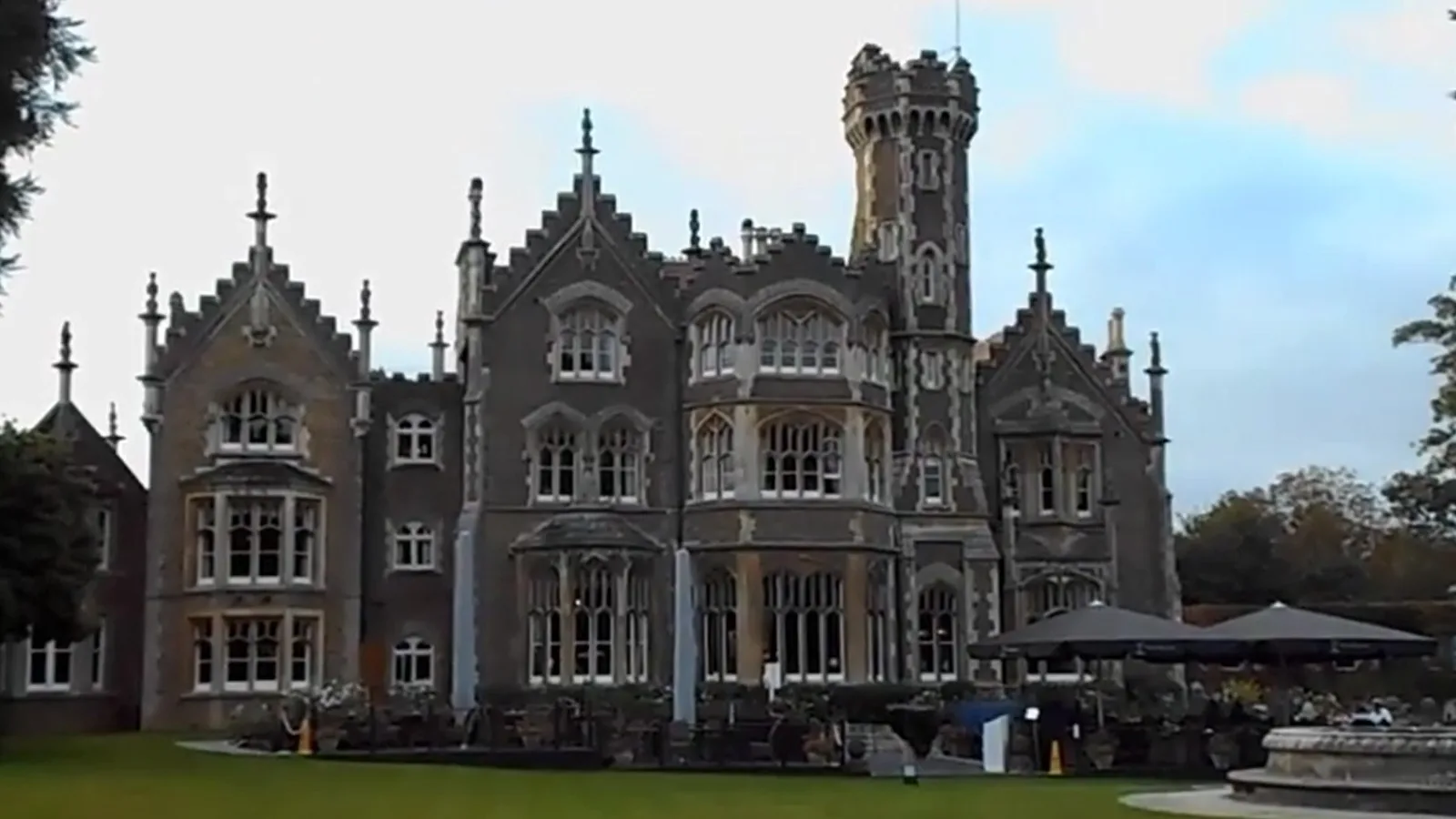
The gallerist India Rose James took the multi-look wedding to its theatrical conclusion. As British Vogue's Ellie Robertson reported on 4 November, she and the musician Daniel Vildósola celebrated over Halloween weekend at Oakley Court, the neo-Gothic Victorian mansion near Windsor that once served as a set for Hammer horror films and as Dr Frank-N-Furter's castle in The Rocky Horror Picture Show. Some 150 guests attended, under a strict all-black dress code.
Three events meant at least three dresses. For the welcome party, the bride wore an archive John Galliano gown sourced from Tab Vintage in Los Angeles. For the ceremony on 31 October, she wore a corseted gown and custom veil by her friend Dilara Findikoglu, the Turkish designer known for darkly romantic, Victorian- and Gothic-inspired work. "My dress was phenomenal," she said, adding with a laugh that it had restricted her breathing. For the after-party she changed into an Alexander McQueen dress in the house's skull print and a fur-trimmed cape by Susie Cave Weddings & Funerals, a label she wore again at Sunday brunch.
The designer's version: make it, then make another
The New York jewellery and accessories designer Susan Alexandra approached her wedding as a design project. She married Andy Nahman on 29 August at Villa Magnan in Biarritz, British Vogue reported on 3 November. For the welcome dinner, she wore a nude tulle and paillette dress by Jenny Packham that she found on Vinted. For the ceremony, she designed a butter-yellow duchesse satin gown based on a 1930s silhouette and decorated with rhinestone flowers and cherubs, worn with golden Manolo Blahnik kitten heels bought on The RealReal. Then she changed into a sequined after-party dress made by the artisans who produce her bags and jewellery.
"Over the course of six months, Melissa and I worked with a patternmaker, a couturier and master of embellishments to create The Dress and the after-party gown," she said. Her mix of resale finds and commissioned pieces is a reminder that the multi-look wardrobe does not have to mean several new couture gowns. It also echoes the growing role of resale in luxury, which we explored in our look at The RealReal's latest results.
Why the ceremony gown is getting bigger
There is a paradox here. As the number of looks grows, the ceremony dress itself is becoming more traditional. Vogue's October report found the full ballgown back in force for Fall 2027 and linked the two trends directly. With other outfits for the parties, "full gowns at ceremonies become a moment to lean into that traditional 'bridal' look". As the bridal stylist Gabrielle Hurwitz put it: "Fitted gowns feel quite accessible and appropriate for a number of occasions, whereas a ballgown often feels like a once-in-a-lifetime moment."

What the Fall 2027 collections offer
Designers have answered with gowns that change during the day. In its round-up of New York Bridal Fashion Week, published on 6 November, The Wedding Edition named "one dress, two looks" as one of the season's most practical ideas. It points to detachable sheer sleeves, removable toppers and minis hidden beneath overskirts. Halfpenny London's Altea gown can be worn strapless, with lace drapes or with gauntlet sleeves, and its Ilse overskirt turns a simpler dress into something grander. At Vivienne Westwood Bridal, the tiered lace Daphne gown with multiple trains can be stripped back to a mini with lace bloomers. We covered the wider week in our Fall 2027 bridal fashion week report.
"The trend reflects the realities of a modern wedding," The Wedding Edition concluded, "in which a bride might want a more formal ceremony look before changing the mood for dinner and dancing."
The takeaway
The modern bride is not choosing between tradition and self-expression. She is scheduling them. The ceremony keeps its veil, its train and, increasingly, a full skirt, while the evening belongs to the archive find, the friend's design or the dress made to be danced in. Sperling's three-part gown simply did the royal version of the same thing. For bridal houses, the opportunity lies in the second and third looks, and in gowns clever enough to be all of them at once.
Featured image: Maypm, CC BY-SA 4.0, via Wikimedia Commons. Cropped for this page; the cropped version is shared under the same CC BY-SA 4.0 licence.
