
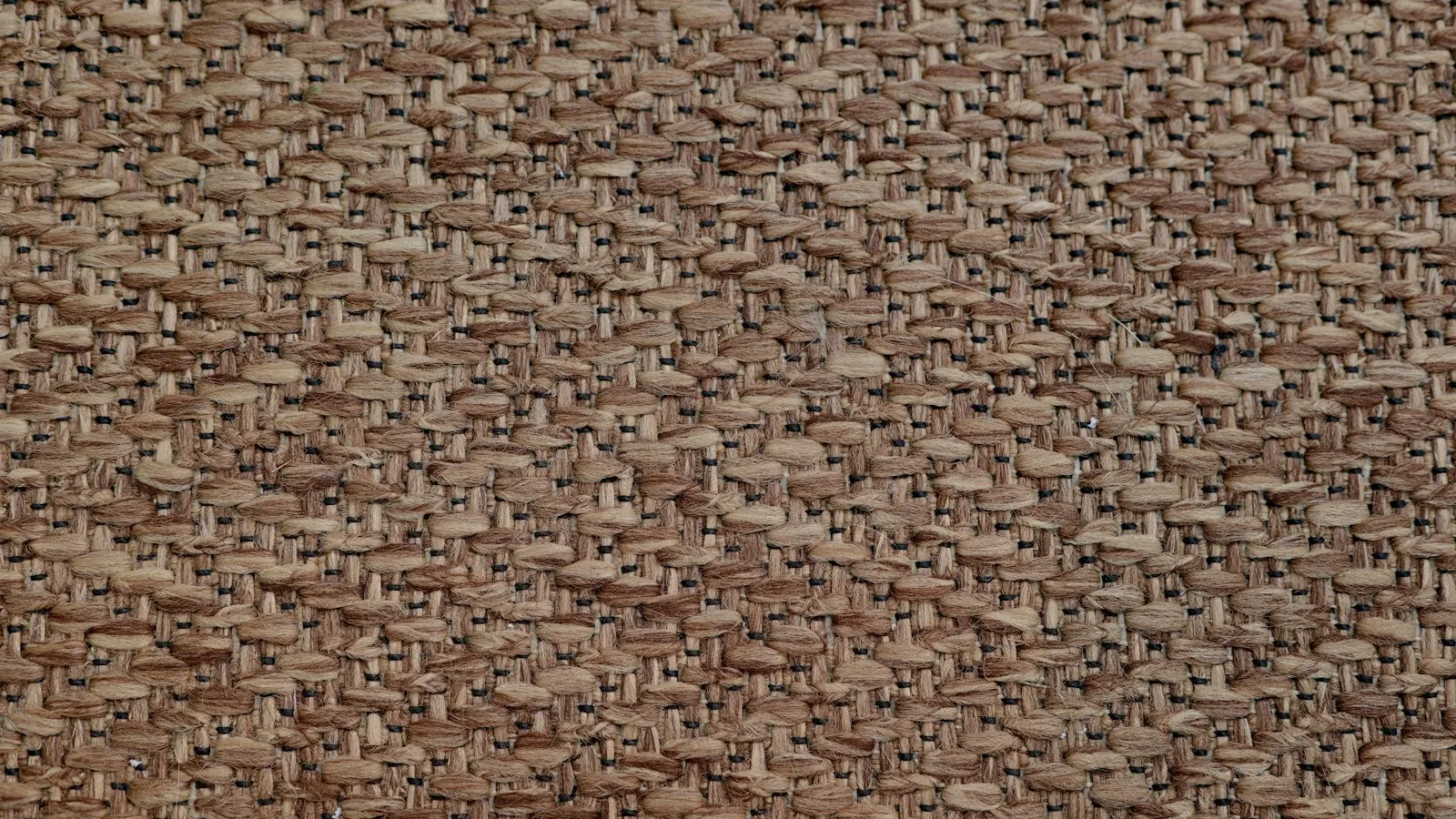
Some houses are identified by a monogram, others by a colour or a clasp. Bottega Veneta is identified by a texture. Its woven leather, known as intrecciato, is recognisable across a room, and it has carried the house through near-bankruptcy, several changes of ownership and five very different creative directors. Here is what the technique is, where it came from and why it has lasted.
For the wider story of the house, see the Bottega Veneta brand page.
What intrecciato means
Intrecciato is Italian for "intertwined" or "woven". In leather goods, it describes a technique in which narrow strips of leather are interlaced by hand to form a crosshatched surface.
According to 1stDibs' history of the weave, the strips, known in the workshops as fettucce (like the pasta), are woven into a leather base or around a wooden form, building an interlocking structure "from the bottom up". The result is supple but strong, and it gives the leather a depth and play of light that a flat hide does not have. 1stDibs also notes a detail that says much about the craft: the weaving is done by artisans working standing up.
A solution to a practical problem
Bottega Veneta was founded in 1966 in Vicenza, in Italy's Veneto region, by Michele Taddei and Renzo Zengiaro, as WWD and 1stDibs both record. The weave was born of necessity. According to 1stDibs, the sewing machines available locally could not handle the thick hides usually used for handbags, so the artisans worked instead with thin, supple nappa. Interlacing strips of that softer leather by hand produced pieces that were "not only stronger and more durable but also retained their soft, fluid character."
It is a reminder that many luxury signatures began as workarounds. The constraint became the code.
"When your own initials are enough"
The house's early international success came under Taddei's former wife, Laura Braggion, and her second husband, Vittorio Moltedo. WWD reports that they opened the first store in New York in 1972, and 1stDibs adds a Rodeo Drive boutique in 1979.
The line that still defines the brand appeared in the same period. In the December 1978 issue of Interview, Andy Warhol designed a two-page advertisement for the house showing a black intrecciato tote above the tagline "When your own initials are enough", according to 1stDibs. WWD reports that Warhol's studio later made the short film Bottega Veneta Industrial Videotape in 1985. Pop culture did the rest: 1stDibs notes Lauren Hutton's red woven clutch in the 1980 film American Gigolo, and a cherry-red intrecciato bag carried by Elle Woods in Legally Blonde.
Near collapse and the Maier blueprint
By the late 1990s the house had lost its way. WWD describes Bottega Veneta in 2001 as a "struggling, off-the-radar, near bankrupt" label with revenues of roughly $50 million, which had diluted its identity by chasing a flashier look. That year the Gucci Group, led by Tom Ford and Domenico De Sole, acquired a two-thirds stake, and Tomas Maier, a German designer who had spent nine years at Hermès, was appointed creative director.
Maier's rules, as WWD summarises them, were "no logos and no compromises". He was drawn to the old tagline, which matched his preference for individualism over branding, and he returned the weave to the centre of the house. 1stDibs credits him with the Knot clutch and the Cabat tote, both introduced in 2001. The Cabat, a simple woven carry-all, became a pure expression of the idea: a bag that is entirely its own technique. By the time Maier left in 2018, WWD reports, revenues had grown from €48 million to almost €1.2 billion in 2017.
Three designers, three weaves
The successors each answered the same question: what can the weave become?
Daniel Lee (2018–2021) scaled it up. 1stDibs describes his Cassette bag of 2019 as an oversized padded version of the interlacing, arranged like a chequerboard, and notes that he also carried the chunky weave into footwear with the Lido sandal. His bright green, widely called "Bottega Green", has an official name on products: "Parakeet".
Matthieu Blazy (2021–2024) made it fluid and witty. 1stDibs highlights his Sardine bag, which pairs soft intrecciato with a sculptural brass handle shaped like a fish, a nod to Veneto cuisine. Blazy left to become artistic director of Chanel.
Louise Trotter, appointed in January 2025 according to WWD, now leads the house. Rebag's analysts have described her first collection as reaffirming the house's leatherwork and "architectural simplicity", which suggests the weave will remain central.
Experiments on the classic
The technique itself keeps evolving. 1stDibs lists variations such as intrecciato effiloché, which has a distressed look from frayed topstitching, and a "foulard" weave in which soft calf strips are pinched for a ruched effect. Since 2013 this development work has taken place at the house's atelier in an 18th-century villa at Montebello Vicentino, near Vicenza. WWD reports that the villa also houses an archive of some 5,000 bags and the house's own school for artisans.
A note on dates
You may have seen 2025 marked as the weave's 50th anniversary, including in 1stDibs' feature and the house's "Craft is our Language" campaign. Yet the house was founded in 1966, and the craft story above places the weave at its very beginnings. The sources we consulted do not explain the gap of roughly a decade, and we have not found a statement from the house setting out exactly which milestone the anniversary counts from. Until it does, treat the "50 years" figure as the house's framing rather than a settled date.
How to recognise good intrecciato
Without straying into authentication, which needs an expert, a few qualities are worth noticing when you look at a woven piece:
- Even tension. The strips should lie flat and consistently spaced, with no puckering or gaps.
- Soft hand. Nappa intrecciato should feel supple, not stiff or plasticky.
- Clean edges and finishing where the weave meets handles, seams and the interior.
These are signs of care rather than proof of origin, and they apply to any woven leather.
Why it endures
Intrecciato has survived because it does what a logo does without being one. It signals the house and the hand at once, and it rewards closer looking rather than demanding attention. In an industry that periodically swings between logomania and restraint, Bottega Veneta's code sits comfortably on the quiet side of the cycle, which is perhaps why it never quite goes out of fashion.
See how Bottega Veneta compares with other Kering houses on the brand compare tool, and find more craft explainers in the Journal.