
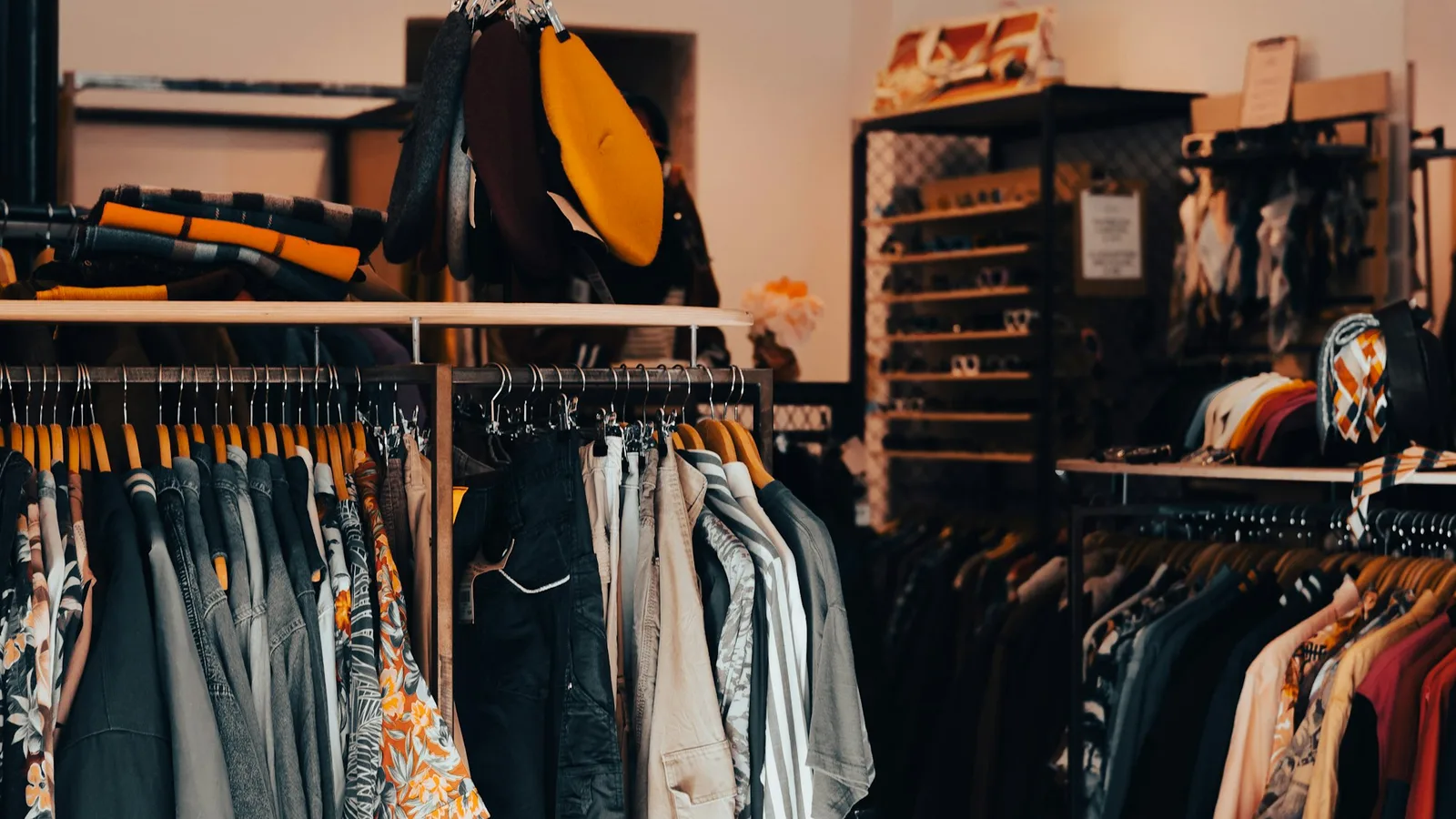
Few ideas in fashion have enjoyed as much goodwill as resale. Buying pre-loved keeps clothes in use, eases pressure on new production and often lands a better garment at a better price. But a growing body of reporting is asking an uncomfortable question: if secondhand is booming, why are we not buying less?
For Australians, the question has become more pressing this year.
Vinted arrives in Australia
The Lithuanian-founded marketplace Vinted launched in Australia on 1 July 2026, with free listings and Australia Post as its delivery partner. Research the company commissioned with Pureprofile, from a nationally representative sample of 1,019 adults, found that 91% of Australians have bought or sold secondhand. Interestingly, the main reason people sell is decluttering (67%), ahead of cost-of-living pressure (42%).
The response has been swift. The Guardian reported in August that Vinted quickly became one of the most downloaded apps in the country, and that competitors were adjusting: Depop removed its selling fees for Australians on 22 July, following eBay, which had done the same in May.
Yet The Guardian also noted early doubts. Because overseas listings appear alongside local ones, some users questioned the carbon cost of shipping low-value items across the world.
The paradox
A report published by The Observer on 10 October puts the wider tension plainly. Vinted, it notes, was valued at €8 billion in April and generated more than €1 billion in revenue last year, while Depop reported revenue of £141 million. Yet, the paper argues, there is little evidence that the popularity of resale is curbing the desire to buy new.
Mark Sumner, head of the textiles programme at the UK environmental charity Wrap, told The Observer: "What we have seen is that people who are buying a secondhand T-shirt, rather than being satisfied with that, are still [also] buying a new T-shirt." By his estimate, it can take four or five secondhand purchases to displace a single new one.
Academic research points in a similar direction. A peer-reviewed study of 1,009 US consumers, published on PubMed Central, found that secondhand buying was positively correlated with buying new clothes, particularly among younger and more frequent shoppers. Its authors suggest secondhand purchases may help some people justify continued overconsumption.
The platforms see it differently. Depop told The Observer that more than three in five purchases on its platform prevent the purchase of a new item elsewhere, and Vinted said 76% of purchases replaced new buys last year, based on a survey of nearly 40,000 members.
The missing piece: repair
Several voices in The Observer's report argue that the real lever is not resale alone but longevity. Designer and author Orsola de Castro observed that resale platforms tend to sideline items that need mending. "Repair is the only thing that can slow down mass consumption," she said. In her view, a well-executed mend, or an alteration to fit, is "almost couture, bespoke."
It is a point that will resonate with anyone who loves archive fashion. The most coveted vintage pieces are prized precisely because they were built to last, and were cared for.
Where the clothes end up
The industry is also being pushed to look at what happens once clothes leave our wardrobes. In October, Adidas, H&M Group, Inditex and Bestseller launched the Apparel Recovery Coalition (ARC) with Ghana-based nonprofit The Or Foundation, Textile Value Chain reported.
The coalition was unveiled at Kantamanto Market in Accra, which The Or Foundation estimates recirculates around 25 million garments every month. Over a two-year program, ARC plans to develop and test a producer-responsibility model, starting with a demonstration project in Accra covering infrastructure, environmental remediation and training. The brands will make voluntary financial contributions.
The same report placed the initiative against production figures: Inditex's latest sustainability report recorded 705,554 tonnes of raw materials used in its products, up from 678,596 tonnes in 2024, while H&M reported producing 364,093 tonnes of products in 2025.
How to buy secondhand well
None of this means resale is a bad idea. It means resale works best when it replaces buying new, not when it adds to it. A few principles help:
- Buy with a gap in mind. Shop for the piece your wardrobe is missing, not the one the algorithm suggests.
- Favour quality over volume. One well-made coat will outlast several bargains. Check fibre content, seams and linings.
- Look for local listings. Buying from sellers in Australia shortens the journey and makes returns simpler.
- Budget for care. Factor in tailoring or repair. A small alteration often turns a good find into a perfect one.
- Sell thoughtfully. Pass on what you truly no longer wear, but resist treating sale proceeds as permission to buy more.
The Casadi view
Resale is at its best when it reflects the values that make clothing timeless: craft, durability and care. Treated as a faster way to consume, it risks becoming fast fashion with a second-hand label. Treated as an archive, a place to find pieces worth keeping, it remains one of the most elegant ideas fashion has.