
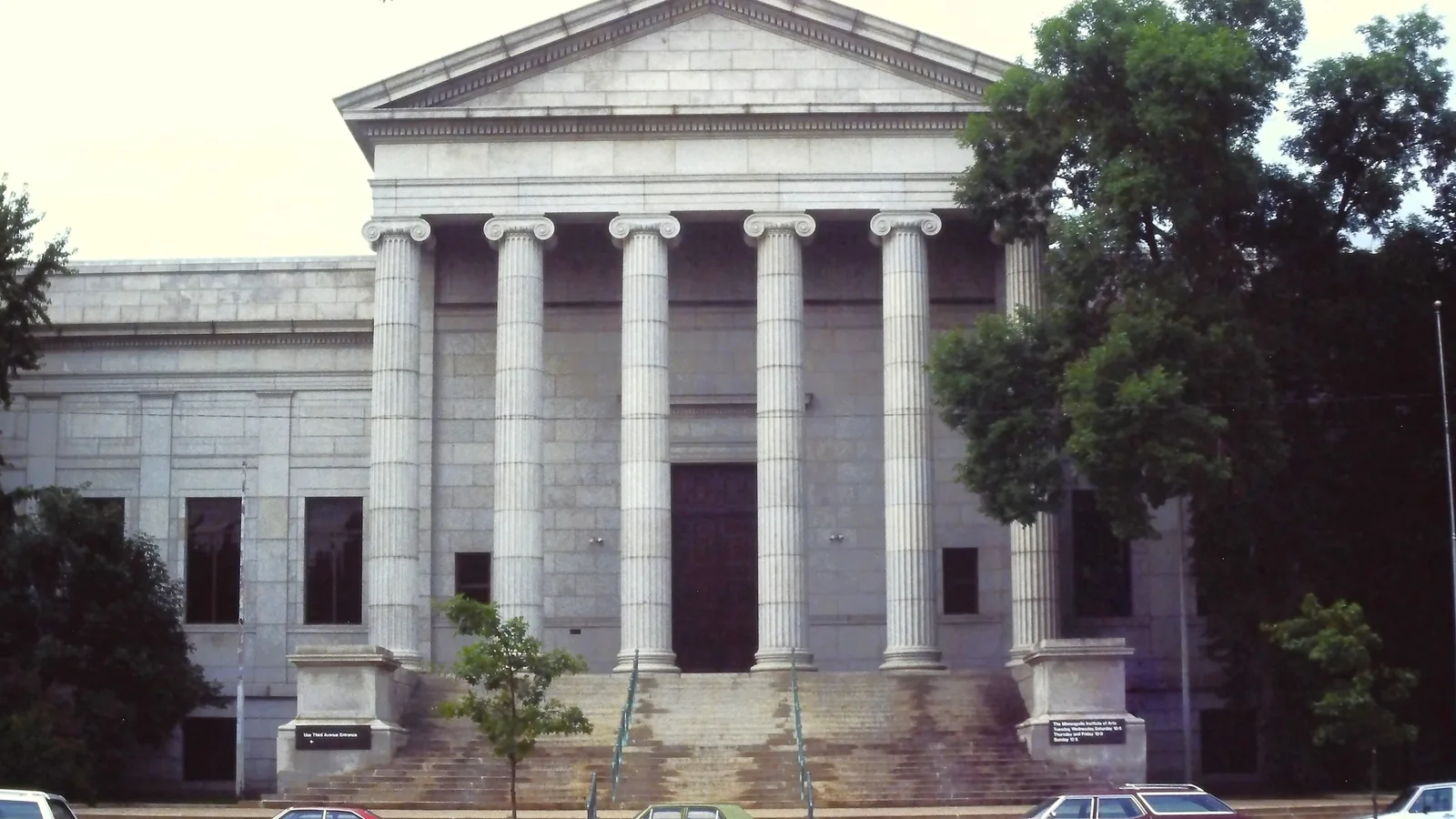
A note on this review: Casadi has not yet seen the exhibition in person. This piece describes the show from the Minneapolis Institute of Art's published details and the reporting of critics who have, and weighs their arguments. Every judgement below is attributed. Two of the outlets quoted have ties to the museum: the Minnesota Star Tribune is the exhibition's media sponsor, and the Minnesota Women's Press says its arts coverage is supported by Mia.
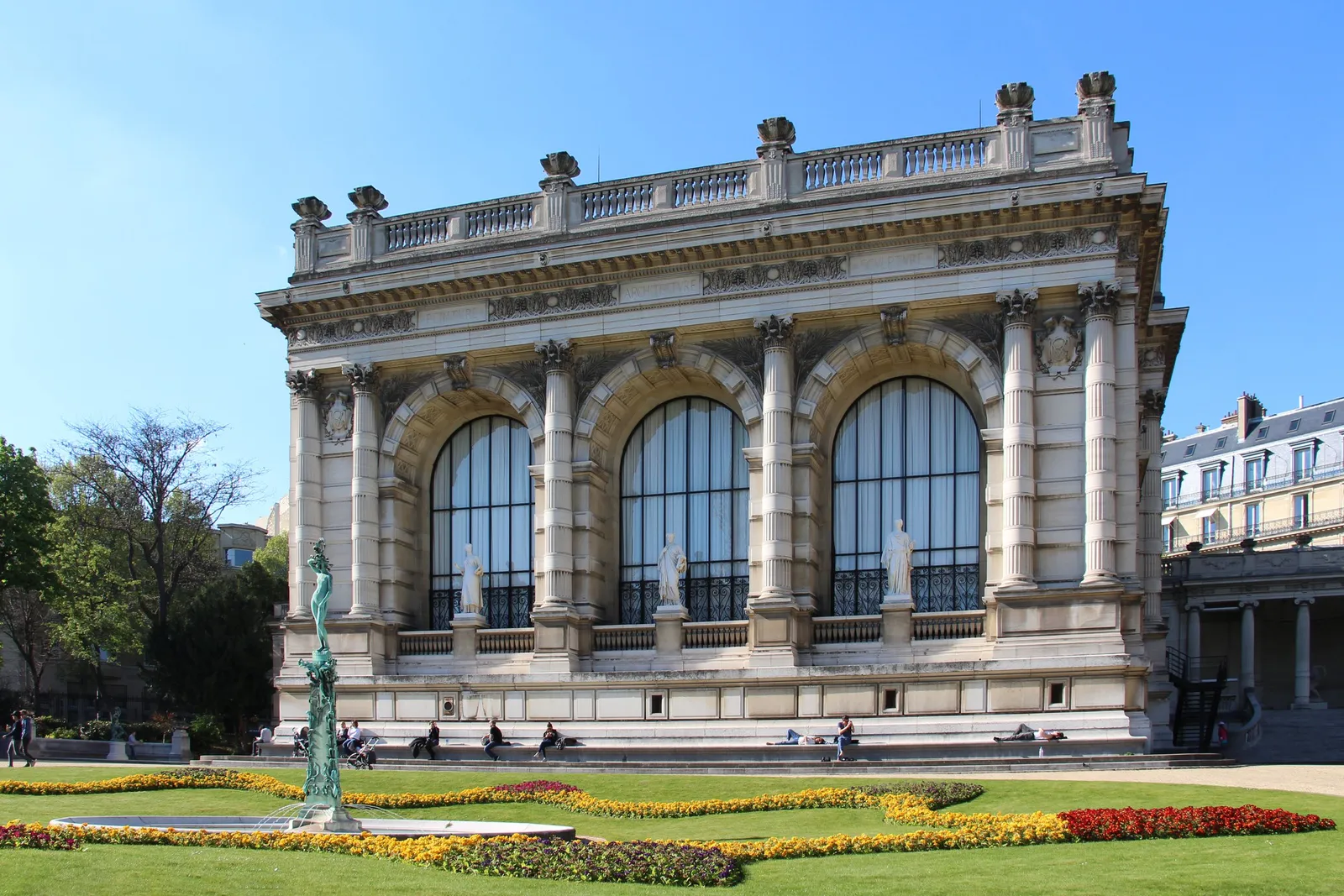
The great couture exhibitions of recent years have mostly stayed in the great fashion cities: Paris, London, New York. Paris Couture, which opened at the Minneapolis Institute of Art (Mia) on 4 October 2026 and runs until 17 January 2027, takes the opposite route. It brings more than 80 pieces from the Palais Galliera, the City of Paris's fashion museum, to the American Midwest, in what KARE 11 described as the collection's "first showing outside of Paris". In March it moves to the Saint Louis Art Museum.
What the exhibition is
The show was conceived by the Palais Galliera with Mia and the Saint Louis Art Museum, and curated by Max Bryant, Mia's associate curator of European decorative arts and sculpture, with Alexandre Samson of the Galliera, according to the Star Tribune. It runs mostly in chronological order, from the late 19th century to the present, through the names Mia lists in its announcement: Christian Dior, Cristóbal Balenciaga, Elsa Schiaparelli, Madeleine Vionnet and, on the exhibition page, Madame Grès.

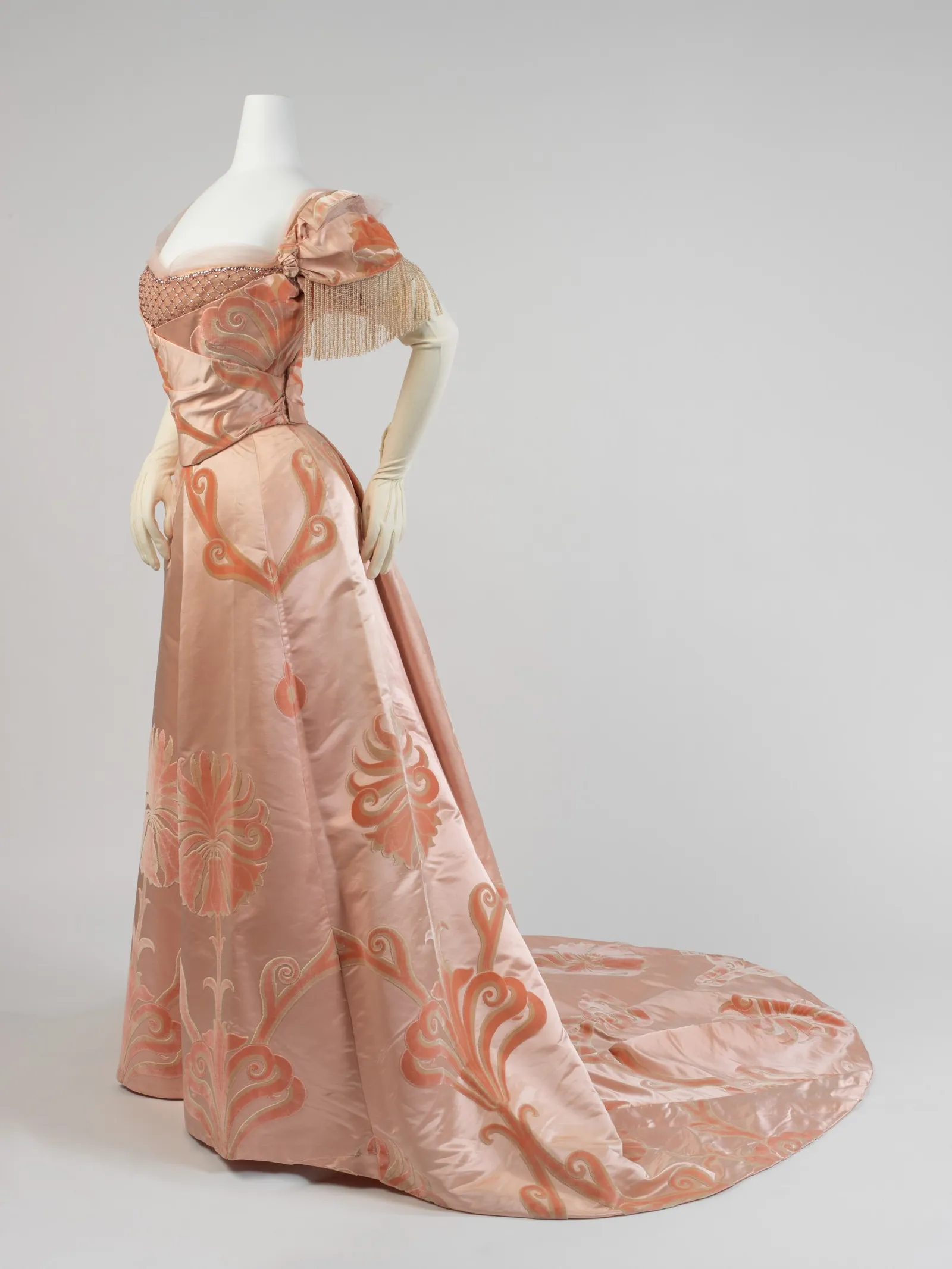
The museum's own highlights are well chosen:
- Schiaparelli's "Phoebus" evening cape (1938), in shocking pink, embroidered by Maison Lesage with a sequin and gold-thread sunburst. It was made for Daisy Fellowes, Paris editor of Harper's Bazaar and one of Schiaparelli's greatest clients. Bryant told KARE 11 it "immediately establishes the sense of spectacle that is part of couture." It will not travel to Saint Louis: both KARE 11 and the Women's Press report that it is being shown only in Minneapolis.
- Dior's "Palmyre" dress (1952), commissioned and worn by Wallis Simpson, embroidered with sequins, pearls and crystals.
- A 1967 Balenciaga ensemble in his signature gazar.
- A Spring 2026 Chanel couture look by Matthieu Blazy, a jacket and dress built from thousands of translucent fabric scales. The Star Tribune notes that it is placed beside a 1924 Chanel evening dress (we wrote about Blazy's first year at Chanel).
The reviews add more. In the hallway, an 1890 silk-satin evening dress by Charles Frederick Worth, generally regarded as the founder of haute couture, stands beside Christian Lacroix's pouf-backed ensemble of 1991–92. The Women's Press describes the wartime room, where dresses stand before a photograph of a deserted Place Vendôme, among them Marie-Louise Bruyère's quilted-satin wedding dress "Evocation Orientale" (1944–45). Later come a Carven "Extase" dress, a Paco Rabanne dress of 1969, a cone-shaped Marc Vaughan evening dress of 1974, an Yves Saint Laurent cocktail dress from the scandalous 1970–71 season, and an Alexander McQueen tartan ensemble from his "Eclect Dissect" collection for Givenchy. The show ends in the 2020s with a red ensemble by the Cameroonian designer Imane Ayissi, who in 2020 became the first Black designer from sub-Saharan Africa to show at the Paris haute couture week.

The case for
The enthusiasm is near unanimous on the clothes themselves. "Whether or not fashion is your thing, you'd be crazy not to visit this stunning exhibition," wrote Alicia Eler in the Star Tribune, adding that it is accessible "for people who wear jeans and T-shirts, as well as fashionistas and industry pros". The Women's Press called the experience "fabulous", and singled out the Bruyère wedding dress as the piece that affected its writers most.
The curators' argument is about looking closely. "Couture can look effortless from a distance and in photography, but up close, you can see the extraordinary labor, precision and ingenuity involved," Bryant told KARE 11, adding that the platforms "have all been purpose-built for this show". Mia's director, Katie Luber, frames the show as "a clear case for haute couture as one of the defining art forms of the modern era", and the Galliera's director, Émilie Hammen, says that "the language of Haute Couture continues to captivate and inspire."
The case against
The reservations are about staging rather than substance, and they come from the most enthusiastic review. "With many outfits enclosed in glass, at times strolling through the exhibition feels like tiptoeing through the storage section of a department store rather than experiencing a fashion runway," Eler wrote. She found "that lack of immersion" disappointing, and was surprised that the only nod to a runway show was a single television screen near the end. She also found that "the later decades feel confusing", and that the final room "leaves viewers wondering about the future, at a time when very few people can afford to purchase high-fashion garments." Her verdict, all the same: "The clothes speak for themselves, though. Just look closely."
Mia, for its part, describes the galleries as "an immersive, opulent experience built for shared wonder and slow looking". The Women's Press found the emerald-and-gold entrance arch like "stepping foot into the Emerald City". How immersive the show feels may depend on whether you came for the clothes or for theatre.
Our view
On paper this is a serious, loan-heavy survey of the kind rarely seen outside Paris, and it is honest about couture's cycles of decline and revival rather than presenting an unbroken golden age. Glass cases are the price of borrowing pieces this fragile; the Women's Press reports that the Schiaparelli cape is too delicate to be shown anywhere else. If the later rooms are less clear, that may say as much about couture today as about the curation. The closest recent comparison is the Met's *Costume Art*, which paired some 200 garments with art from across the museum; Paris Couture is plainer and more chronological, and lets the dresses make the case.
Should you go?
If you can reach Minneapolis before 17 January, yes, and especially for the Schiaparelli cape, which will not be seen in Saint Louis. Everything else travels.
Visiting
| Visiting | Details |
|---|---|
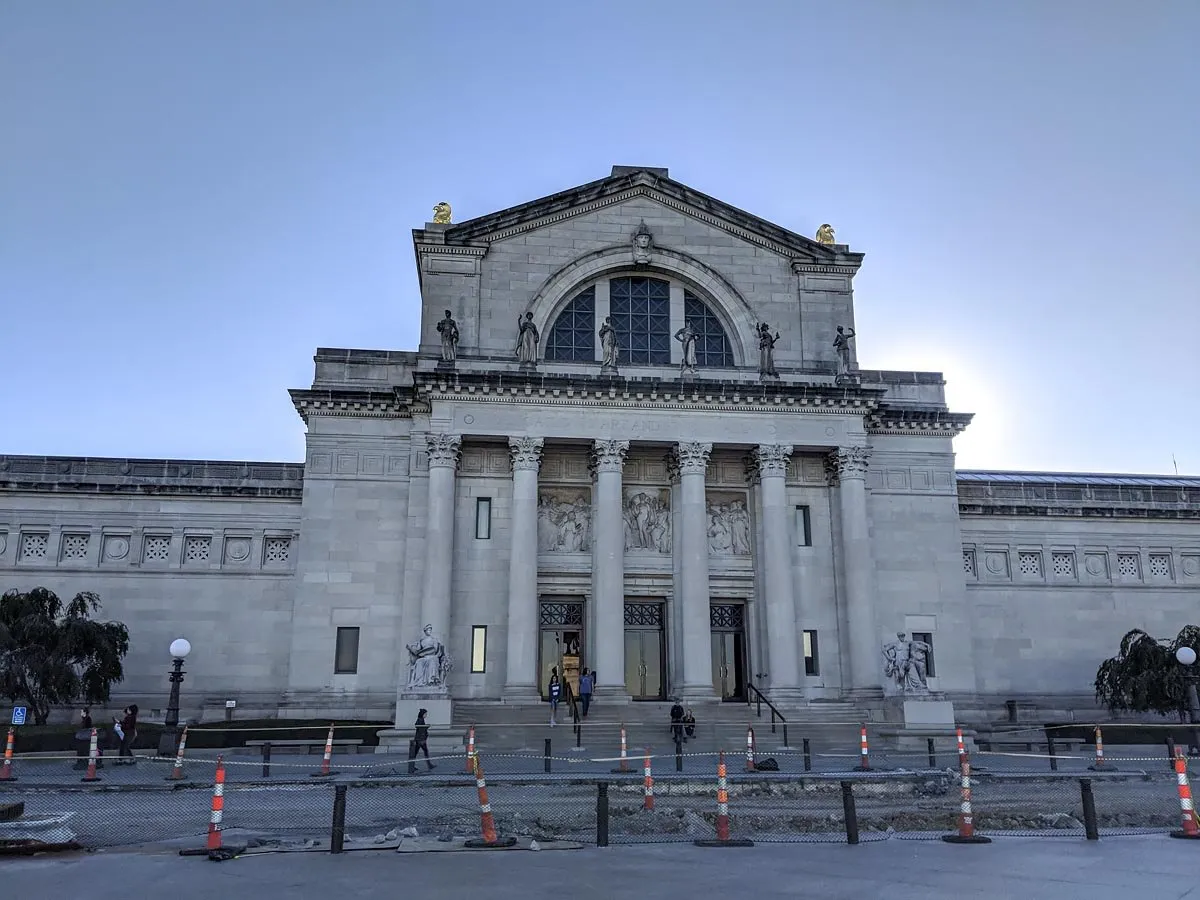
| Venue | Minneapolis Institute of Art, Target Galleries, 2400 Third Avenue South, Minneapolis |
| Dates | 4 October 2026 – 17 January 2027 |
| Tickets | US$20 general admission; Contributor members and above free; 17 and under free |
| Member Days | Free for all Mia members on 29 October, 21 November and 17 December 2026, and 1 January 2027 |
| Talks | "Looking Back, Designing Forward: Karl Lagerfeld and Fashion History", 19 November, 6.30 pm |
| Catalogue | Fully illustrated, published by Mia |
| Then | Saint Louis Art Museum, 6 March – 13 June 2027 (without the Schiaparelli cape) |
Dates and prices from Mia's exhibition page, checked 23 October 2026.
Featured image: Bmzuckerman.jpg), CC BY 4.0, via Wikimedia Commons. Cropped for this page.