
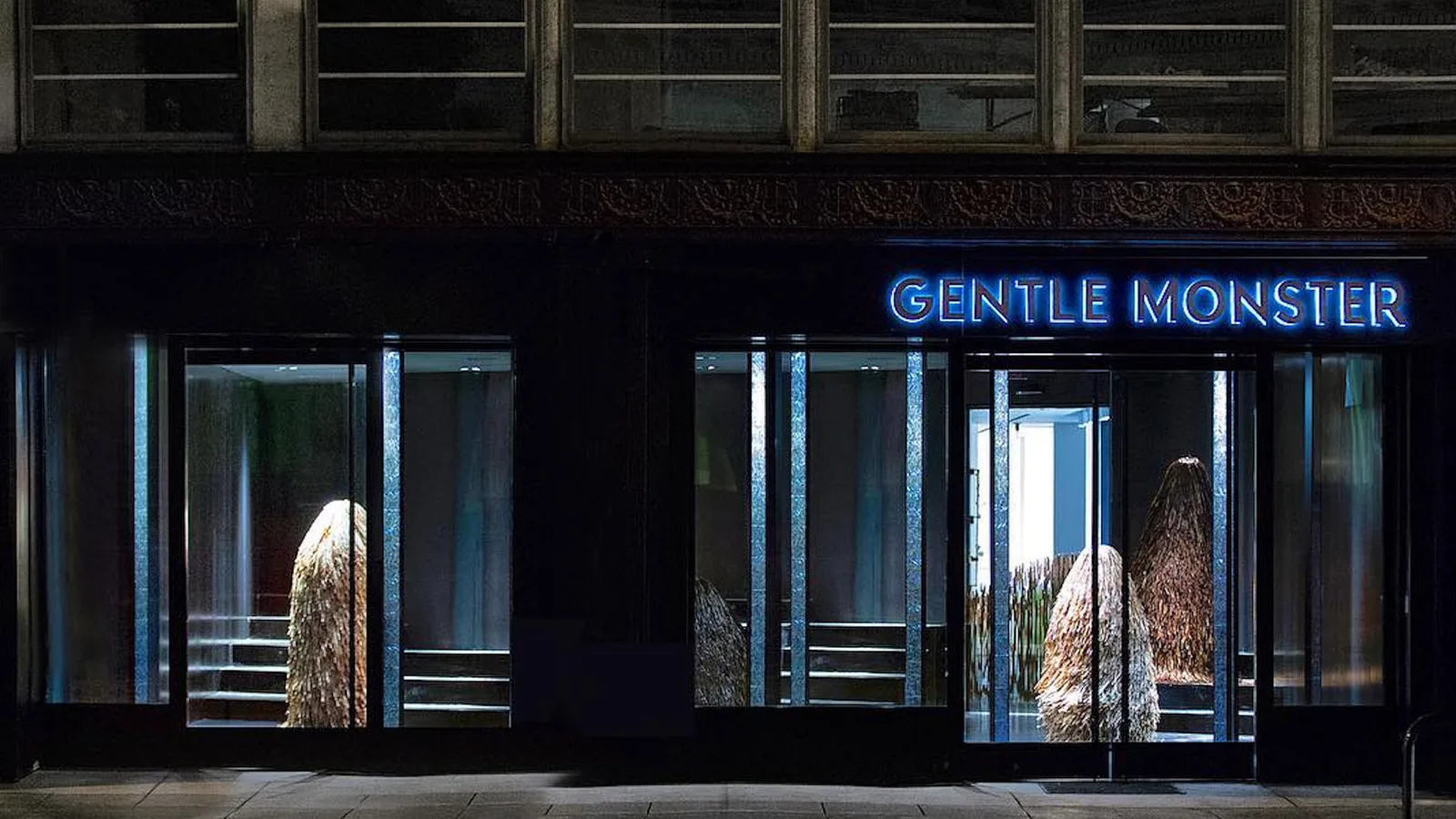
For most of the past decade, smart glasses have been sold as gadgets that happen to sit on your face. Gentle Monster wants to sell them the other way round. The South Korean eyewear brand opens US pre-orders on 12 November for its first AI-powered glasses, developed with Samsung Electronics and Google, ahead of a release planned for December, the Korea Herald and Variety report.
The launch comes with a campaign film directed by Jonathan Glazer, the filmmaker behind The Zone of Interest and Under the Skin, and starring Joaquin Phoenix. It is an unusually serious piece of casting for a first-generation tech product, and a sign of how the contest for the next big wearable is shifting from engineering to taste.
What Gentle Monster is selling
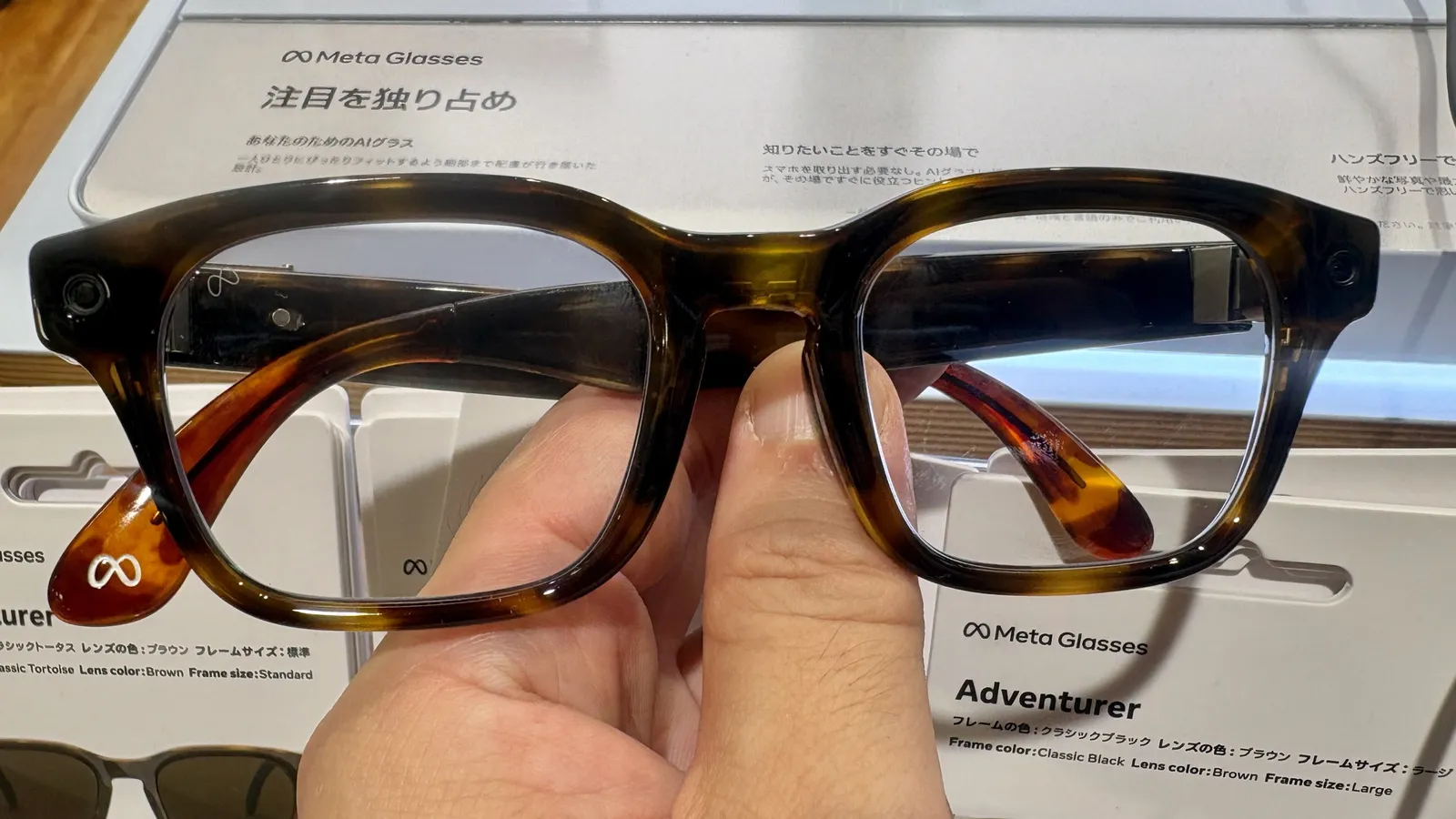
The Intelligent Eyewear collection was first shown at Google I/O in May. It combines Samsung's hardware with Google's Android XR platform and its Gemini AI assistant; Qualcomm also contributed to the project, and the American brand Warby Parker has developed its own designs under the same partnership, according to the Korea Herald.
The glasses offer real-time translation, navigation, voice assistance and visual recognition, and connect to Android and iOS phones through an app. Variety adds that they can take photos and make calls hands-free. Gentle Monster says a single charge gives up to nine hours of battery life, with the charging case adding at least seven more.
The price has not been disclosed, nor have detailed retail plans or a release date for South Korea. Pre-orders run through the brand's website, and a public preview in New York from 13 to 23 November will let visitors try the collection.

A campaign that barely shows the product
Gentle Monster released a teaser for the film on 6 November; the full version is due later this month. In it, Phoenix plays a salesman who encounters a series of strange events in an unfamiliar hotel and, at the end of a red-lit corridor, meets mysterious figures he can understand and talk to only through his glasses, Variety reports.
The brand told the Korea Herald that the surreal story is meant to suggest the possibilities of AI-assisted communication rather than demonstrate the product's features. It suits a brand whose shops, like the Los Angeles store pictured at the top of this article, are staged more like installations than showrooms, and it is a deliberate contrast with the feature-led launches of most consumer technology.
Why fashion brands now matter
The bet is that people will not wear technology on their faces unless it looks like eyewear they would choose anyway. Brands give tech companies a way to do that, and also a way to put a different name on the frame. Snap's chief executive, Evan Spiegel, put the point bluntly earlier this year, as quoted by The Verge: "the Meta brand, I think, is not something people want anywhere near their face."
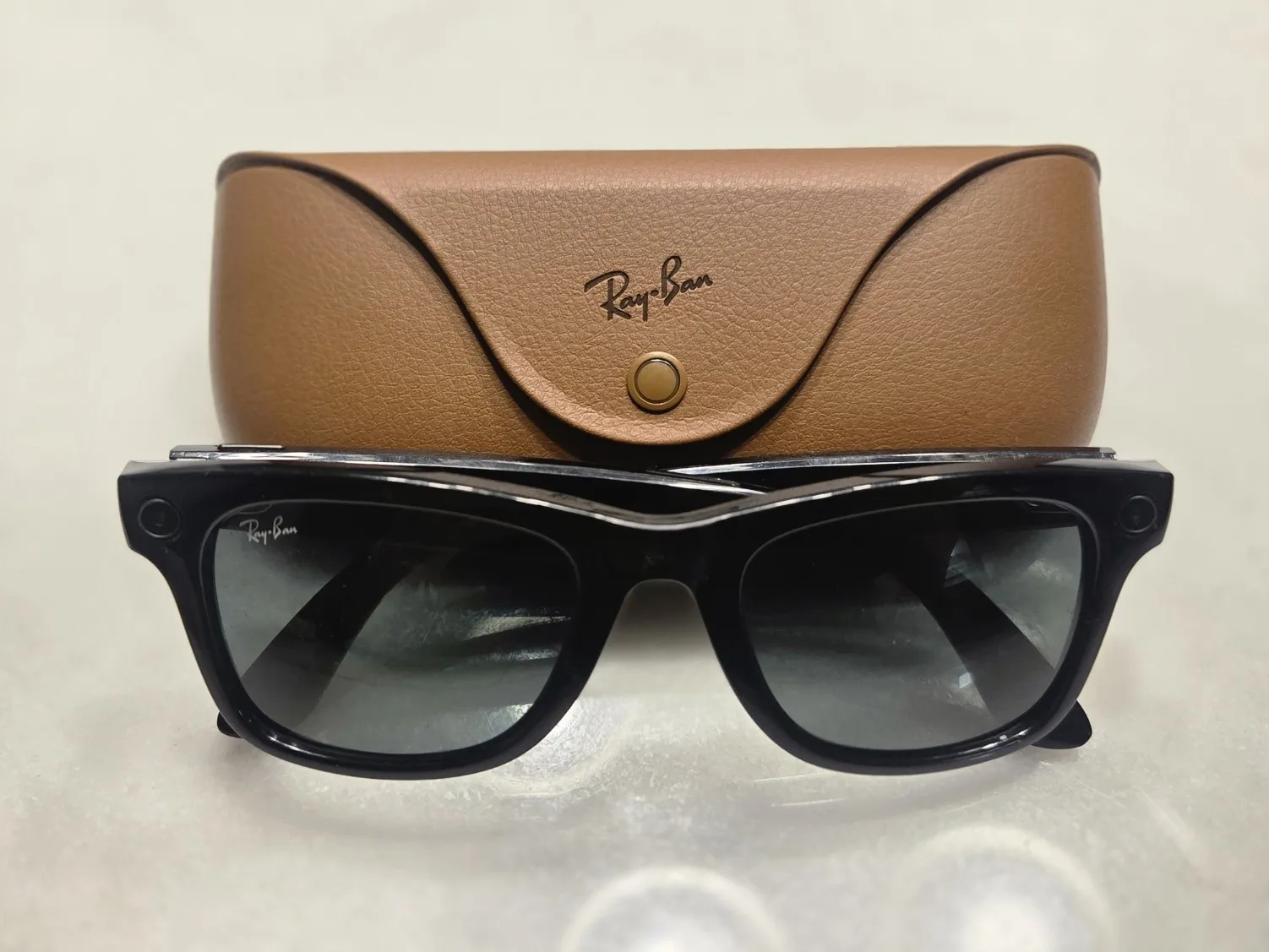
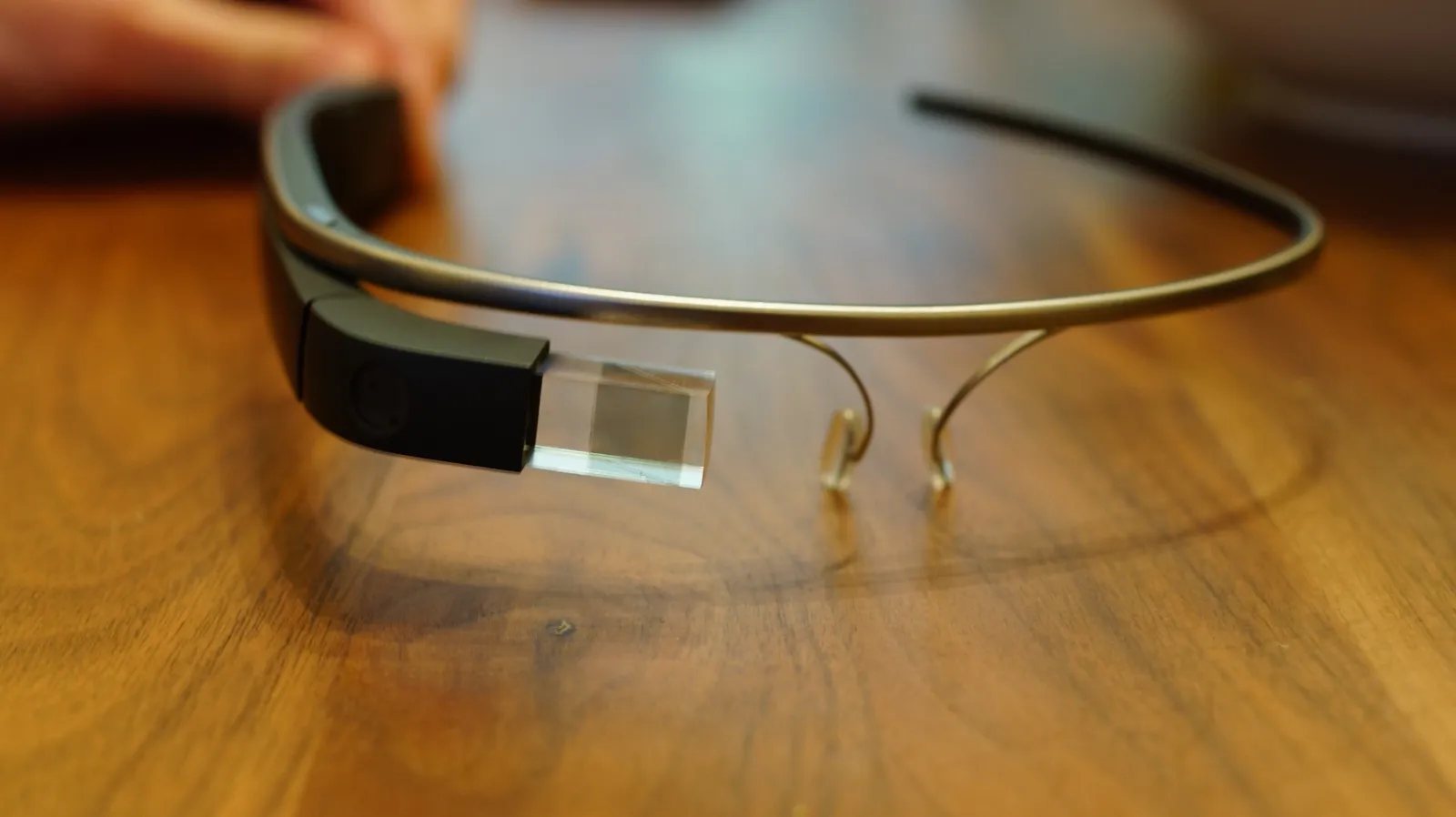
The market leader solved that problem early. Meta's best-known glasses are made with EssilorLuxottica under the Ray-Ban name, and the second-generation Ray-Ban Meta was promoted by Kylie Jenner this year, Variety notes. Google, whose original Google Glass, as The Verge puts it, "infamously failed to catch on over a decade ago", is now working with several eyewear partners at once. Kering, the owner of Gucci and Saint Laurent, has partnered with Google on AI eyewear, and in April its chief executive, Luca de Meo, said the group was targeting a 2027 debut for Gucci-branded smart glasses.

A market still finding its level
The stakes are high for the incumbents too. EssilorLuxottica's shares rose more than 14% on 21 October, Reuters reported, after third-quarter revenue of €7.49 billion beat the €7.36 billion analysts had expected. But growth in sales of the Ray-Ban glasses made with Meta had slowed from earlier in the year, and the company's core eyewear business was the main driver. For the first time, it also broke out revenue from its wearables business, which includes AI glasses and Nuance hearing devices.
"The prospect of smart glasses disrupting traditional eyewear will likely stay as a sword of Damocles hanging over EssilorLuxottica," Bernstein analysts wrote, noting that Google was set to launch its Gemini AI glasses by the end of 2026.

The Casadi view
Gentle Monster is a smaller name than Ray-Ban or Gucci, but it may be the more interesting test. It has no decades-old heritage name to protect and a habit of selling through spectacle rather than specifications. If its glasses sell on looks and on Glazer's film rather than on a feature list, it will confirm what the industry increasingly suspects: in smart glasses, the frame is the product, and the technology is the accessory.
Featured image: Lstae88, CC BY-SA 4.0, via Wikimedia Commons. Cropped for this page; the cropped version is shared under the same CC BY-SA 4.0 licence.
